The builder’s vision
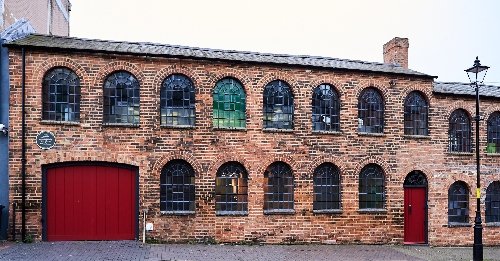
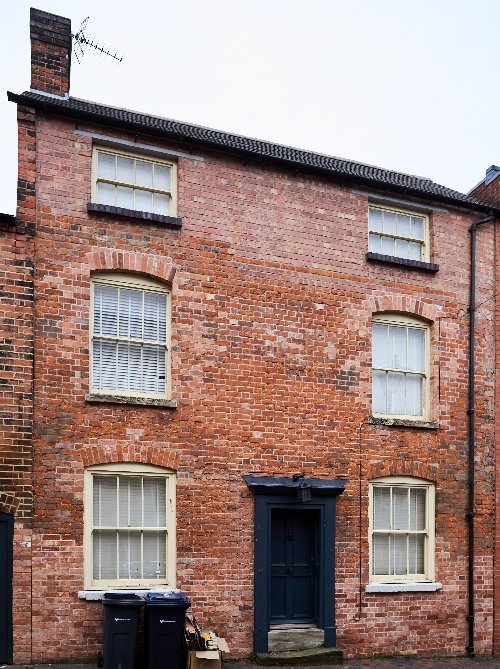
The house and workshops at 29-32 Mary Street were built in three different phases by James Kimberley, a well-known speculative builder and property owner in Birmingham during the nineteenth century. The three-storey house dates back to 1818, and Kimberley most likely lived in the house and rented the workshop spaces in the two-storey adjacent workshop out to local artisans and craftsmen. This pattern of use was very common in Birmingham and the Jewellery Quarter. The workshop extension was built slightly later in 1823, and one of the first tenants was a man called George Wyon, who was a die-sinker, modeller and chaser.
Victorian workshop wonderland
During Birmingham’s Victorian and Edwardian boom, the Jewellery Quarter was a hive of countless small workshops, often operating side-by-side or even within the same building, producing intricate jewellery, silverware, and other precision goods. Buildings like 29-32 Mary Street would have housed skilled artisans – jewellers, silversmiths, engravers, die-sinkers, and metalworkers – in light industrial units. These workshops were characterised by their large windows designed to maximise natural light for the detailed work carried out within. The multi-storey configuration allowed for different stages of the manufacturing process, or even different businesses, to operate under one roof.
20th century struggles
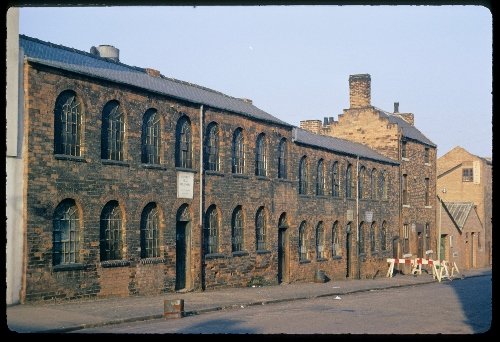
As the 20th century progressed, the traditional manufacturing base of the Jewellery Quarter faced challenges. Many workshops either closed down, consolidated, or relocated. Buildings like 29-32 Mary Street, while historically significant, became economically unviable for modern industrial production. This led to a period of decline and underuse for many of these older structures within the area.
21st century transformation
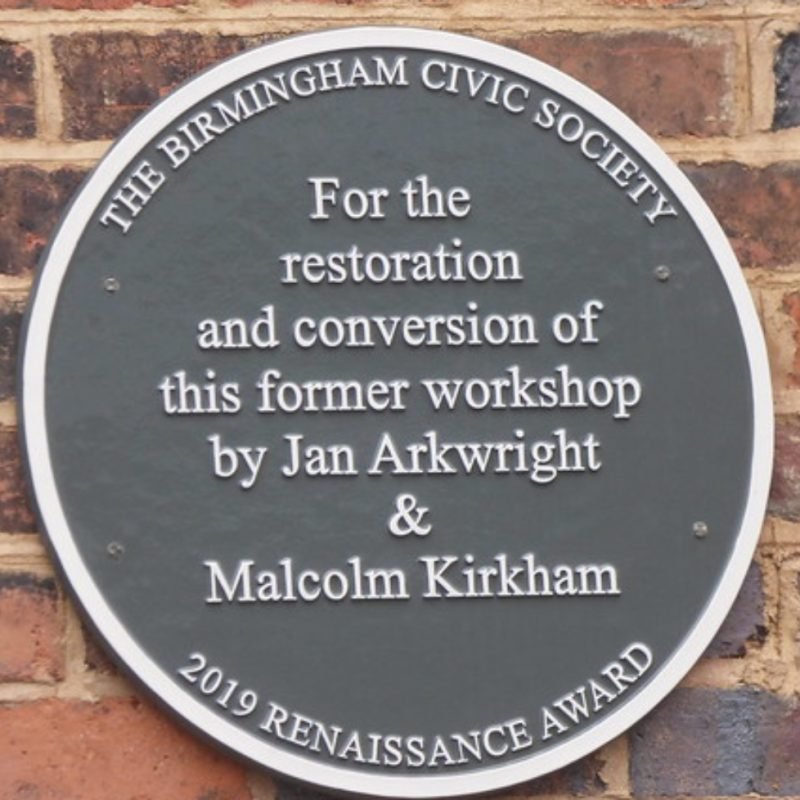
The early 21st century, however, brought a significant wave of regeneration to the Jewellery Quarter. Recognising the architectural charm and historical value of these former workshops, developers embarked on projects to convert them into residential and creative spaces. The building at 29-32 Mary Street is a prime example of this trend. It was sensitively redeveloped, with a focus on preserving its external character and industrial aesthetic. The conversion transformed the former workshop into modern residential apartments breathing new life into the structure, contributing to the Jewellery Quarter’s renaissance as a highly sought-after residential area.