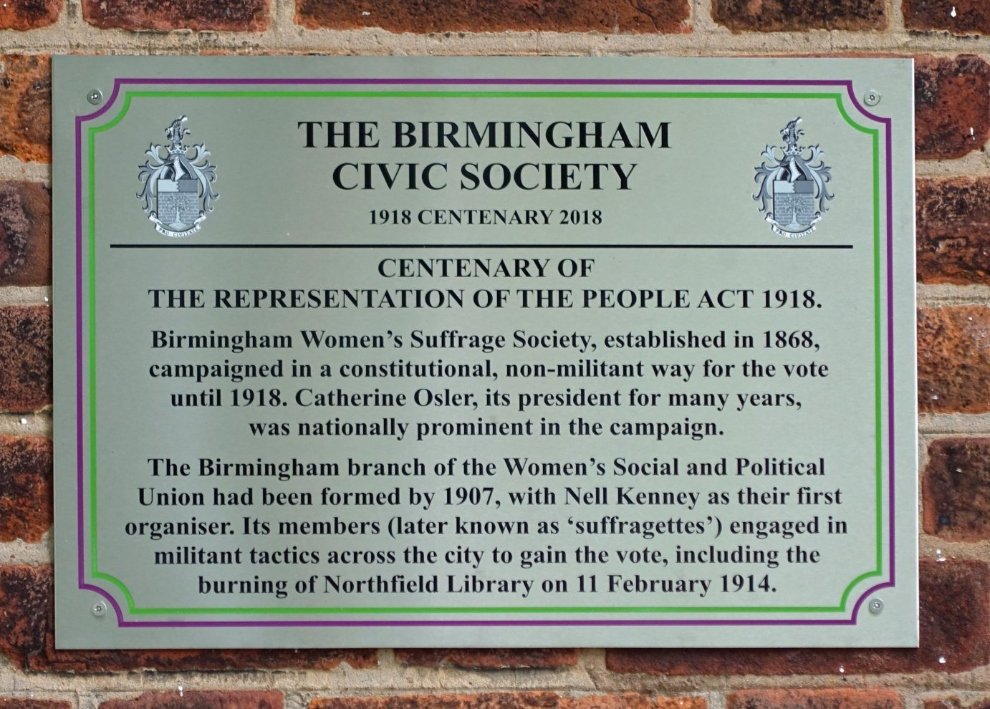
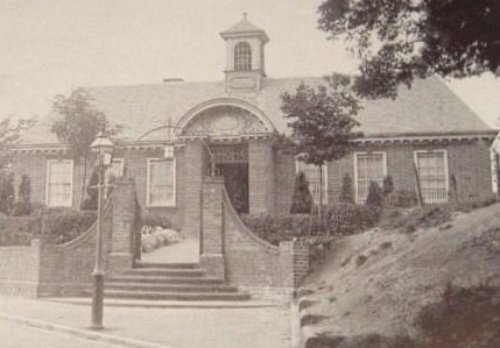
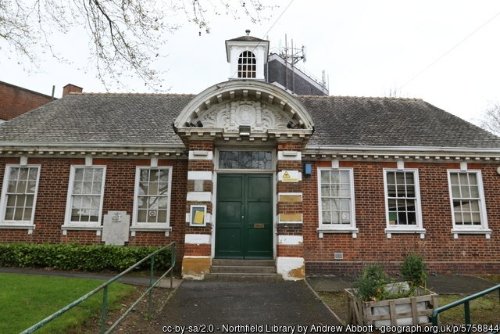
The destruction of the Carnegie Library in Northfield involving militant suffragettes, is a significant, albeit often overlooked, event in the campaign for women’s suffrage, which eventually led to the Representation of the People Act 1918.
The WSPU’s militant approach
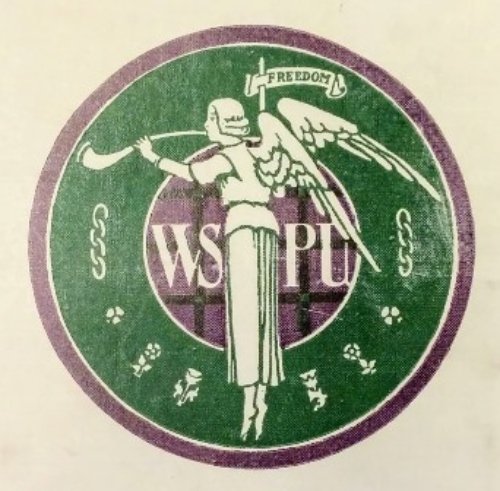
By the early 20th century, the Women’s Social and Political Union (WSPU), headed by Emmeline Pankhurst, had adopted increasingly militant tactics, including property damage, to press for women’s right to vote. While arson was a popular tactic used by militant suffragettes across the country, and was actively encouraged by Emmeline Pankhurst’s daughter Christabel, the burning down of libraries was unusual and seems to be restricted to the Midlands as no other such cases have been recorded. Northfield Library was perhaps chosen as a symbol of a public institution and male-dominated intellectual space that denied women full citizenship.
The night that nearly changed everything
The incident occurred on 11th February 1914. The library had only been open since 1906, after the philanthropist Andrew Carnegie donated £5,000 towards the building of ten free libraries across the city and the land was donated to the corporation by George Cadbury. The attack was timed to coincide with the opening of Parliament.
1,500 books were destroyed and the damage was estimated at a cost of nearly £2,000. Although no-one was arrested, the culprits did leave some clues as to their identity – a copy of The Suffragette newspaper with the message ‘Give Women the Vote’ written on it along with a copy of a pamphlet by Christabel Pankhurst and note that said ‘to start your new library’.
A desperate act reflecting years of frustration
The burning down of Northfield Library appears to be the only example of library arson by suffragettes nationally, although there had been an earlier attempt to set fire to Tipton Library in the Black Country but this was foiled by a vigilant librarian. These were not isolated incidents but part of a wider, coordinated campaign of arson and vandalism carried out by the WSPU across the country, targeting public buildings, post boxes, and even golf courses. Through these acts the intention to shock was certainly achieved and the WSPU clearly demonstrated that their members were capable of violence and carrying out destructive acts in the pursuit of justice.
The road to victory
While the Representation of the People Act 1918, which granted the right to vote to women aged over 30 who met certain property qualifications, was passed during World War I and partly as a recognition of women’s wartime contributions, the pre-war militant campaign, including acts like the burning of Northfield Library, undeniably played a role in keeping the issue of women’s suffrage on the political agenda and highlighted the depth of feeling among its advocates.