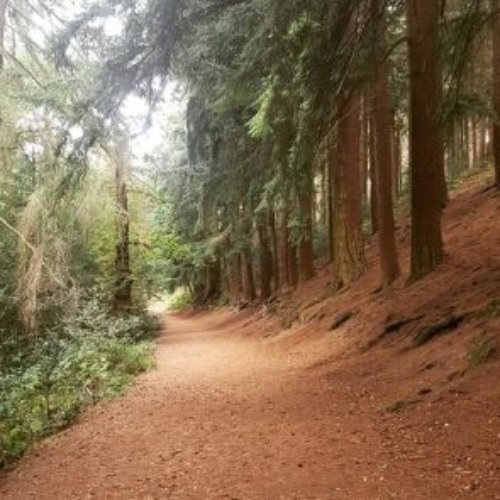
Lickey Hills Country Park is home to a significant, though perhaps lesser-known, historical feature: the Lickey Hills Arboretum. This tranquil collection of trees is a testament to early 20th-century horticultural vision and public amenity.
From Earl’s estate to people’s paradise
The Arboretum’s origins are deeply intertwined with the development of the Lickey Hills as a public park. The area was acquired by the City of Birmingham primarily through the generosity of local benefactors. In 1904, the Birmingham Corporation purchased the freehold of Rose Hill and Rednal Hill from the Earl of Plymouth. This initial acquisition formed the nucleus of what would become the country park. The vision for the Arboretum itself began to take shape shortly after these acquisitions. It was officially established in 1908, reflecting a growing Edwardian interest in botany, landscape design, and providing educational and recreational opportunities for the public.
The chocolate tree planter
The design and planting were overseen by Councillor William Adlington Cadbury (1867-1957), a member of the famous chocolate-making family and a prominent figure in Birmingham’s civic life. W.A. Cadbury, a keen dendrologist (someone who studies trees), was instrumental in selecting the species and laying out the paths. He personally planted many of the trees, often sourcing specimens from around the world.
A world of trees in Birmingham
The purpose of the Arboretum was twofold: to create a beautiful, accessible natural space for public enjoyment, and to serve as a living library of trees, allowing visitors to observe a wide variety of species. It was designed to showcase both native British trees and numerous exotic specimens from Europe, North America, and Asia. Each tree was originally labelled, providing an educational element for those interested in botany. Pathways were laid out to guide visitors through the collection, encouraging leisurely strolls and appreciation of the natural environment. Over the decades, the Lickey Hills Arboretum has continued to mature and evolve. While some of the original trees have been lost to disease or natural causes, many still stand as majestic examples of W.A. Cadbury’s foresight.
Shaping Birmingham’s green spaces
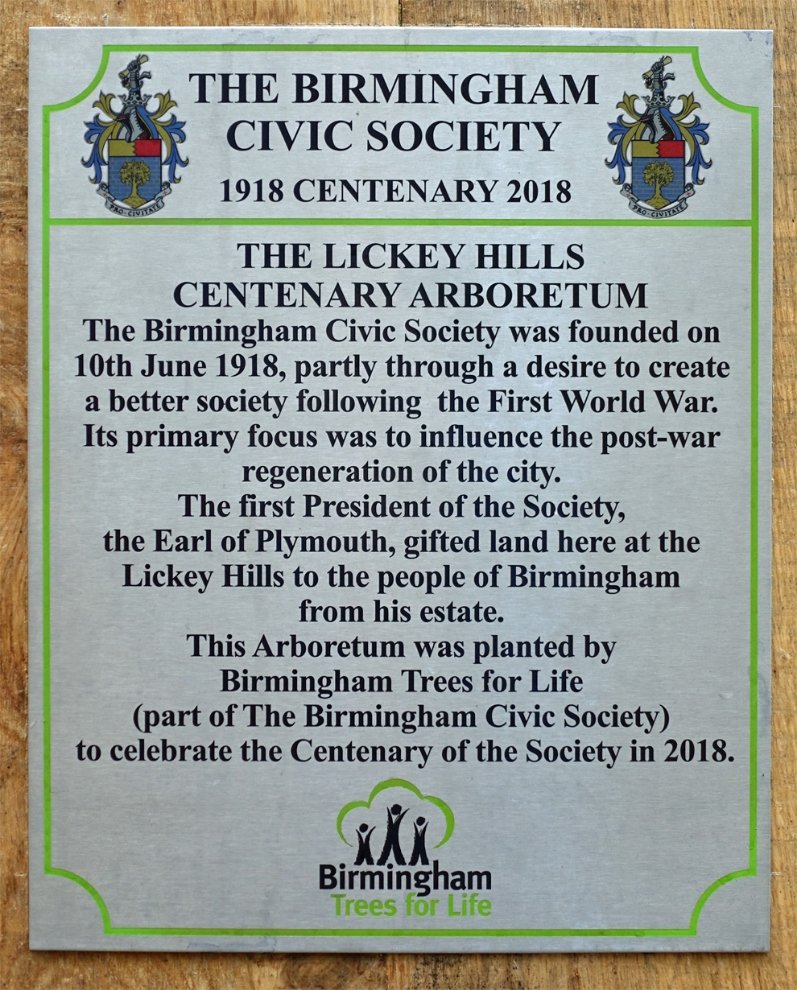
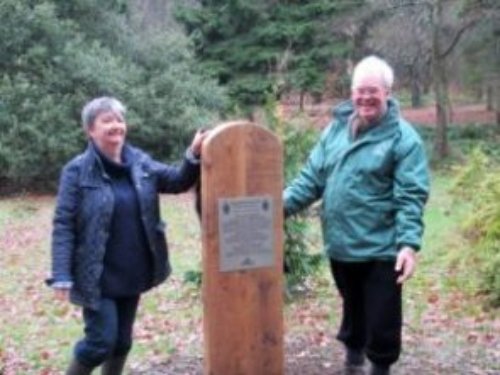
Today, the Lickey Hills Arboretum remains a popular and peaceful retreat within the wider Country Park. To celebrate the centenary of the Birmingham Civic Society, Birmingham Trees for Life planted new saplings in 2018 to boost the arboretum. It provides a valuable educational resource and a beautiful setting for walking, offering a living link to the philanthropic spirit and civic pride that shaped Birmingham’s green spaces in the early 20th century.