Giving Birmingham the space, confidence and platform to tell its own story — past, present and future.
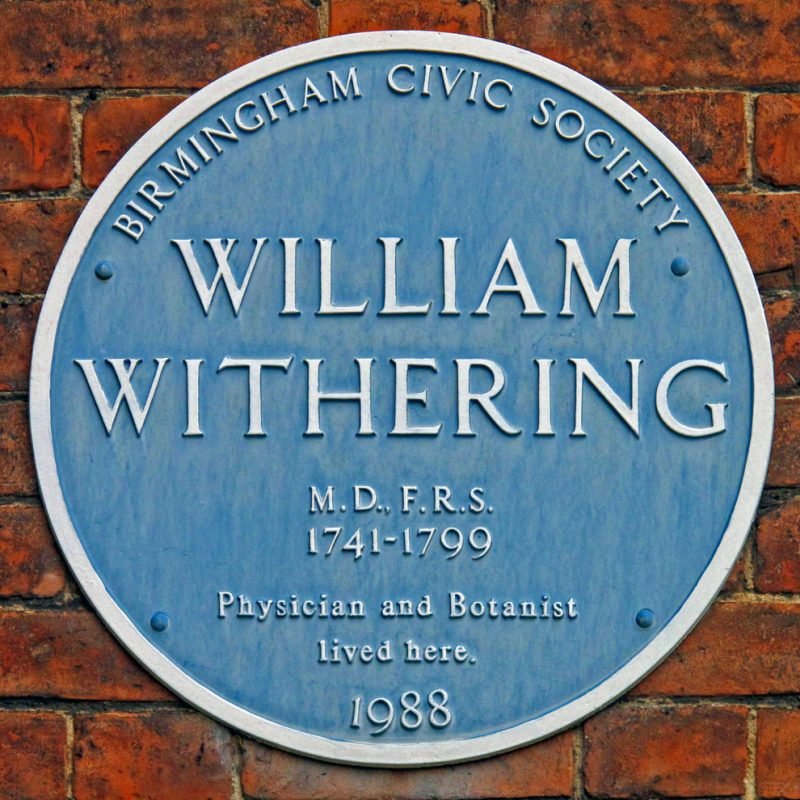
Blue Plaque: William Withering
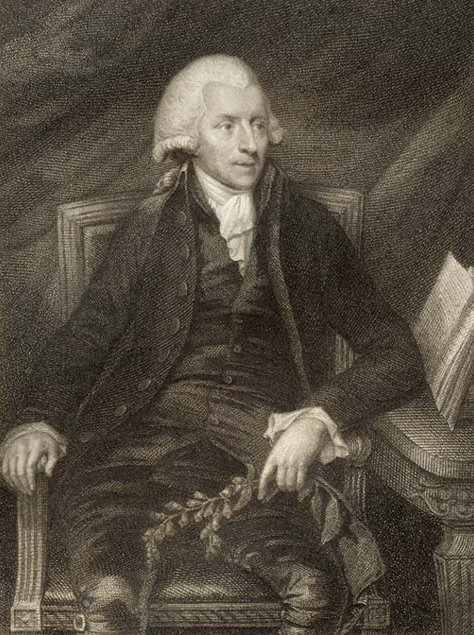
William Withering (17/3/1741 - 6/10/1799)
The Birmingham doctor who saved hearts worldwide
Blue Plaque Awarded: 1988 Address: Edgbaston Golf Club, Church Road, Edgbaston, B15 3TB
William Withering was an eminent English physician, botanist, geologist, and chemist, whose groundbreaking work on the medicinal properties of foxglove revolutionised cardiac medicine.
Finding his calling in Birmingham Withering received his medical education at the University of Edinburgh, a leading centre for medical studies at the time. After practising in Stafford for a short period, he moved to Birmingham in 1775, establishing himself as a highly respected physician at Birmingham General Hospital. His reputation grew quickly, and he became one of the city’s most sought-after medical practitioners.
From folk remedy to medical breakthrough It was in Birmingham that Withering conducted his most famous research concerning the foxglove plant (Digitalis purpurea). Drawing on traditional folk remedies, he systematically investigated the plant’s efficacy in treating dropsy (oedema), a symptom of congestive heart failure. After years of careful observation and meticulous clinical trials on hundreds of patients, he published An Account of the Foxglove and Some of its Medical Uses: With Practical Remarks on Dropsy and Other Diseases in 1785. This detailed treatise provided precise instructions for the plant’s preparation and dosage, crucially distinguishing between its therapeutic benefits and its toxicity. His work established digitalis (derived from foxglove) as a vital drug for treating heart conditions, a discovery that profoundly impacted medicine for centuries.
Lunar Society luminary Beyond his medical achievements, Withering was a polymath with a wide range of scientific interests. He was a prominent member of the Lunar Society of Birmingham, joining intellectual giants like Matthew Boulton, James Watt, and Joseph Priestley. Within this innovative group, he pursued his passions for botany, geology and mineralogy. He was a Fellow of the Royal Society and published several scientific works.
In 1799 William Withering decided he could not tolerate another winter living in the cold and draughty Edgbaston Hall and so purchased The Larches in Sparkbrook. His wife did not feel up to moving home so he moved to The Larches alone on 28th September and died there on 6th October 1799. He was buried at Edgbaston Old Church – his gravestone features a foxglove plant, a fitting tribute to his greatest medical discovery.
Image Gallery
More Information
For further information about William Withering, please see selective links below.