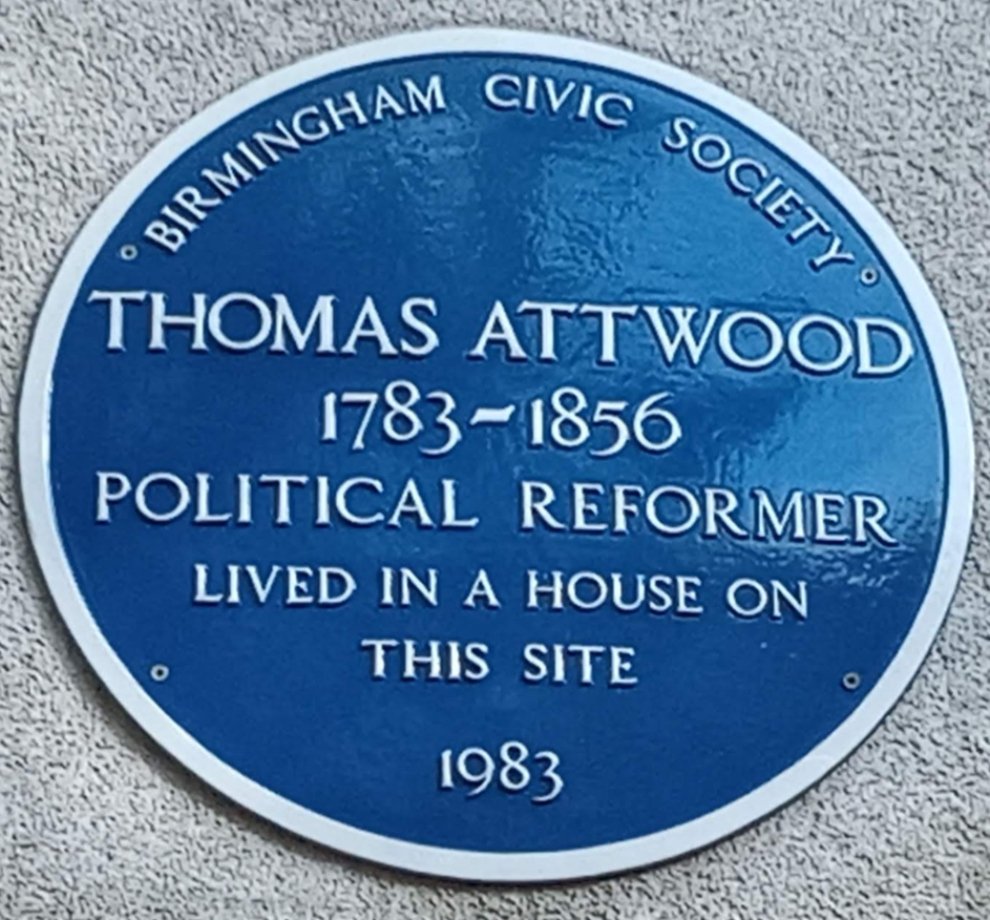
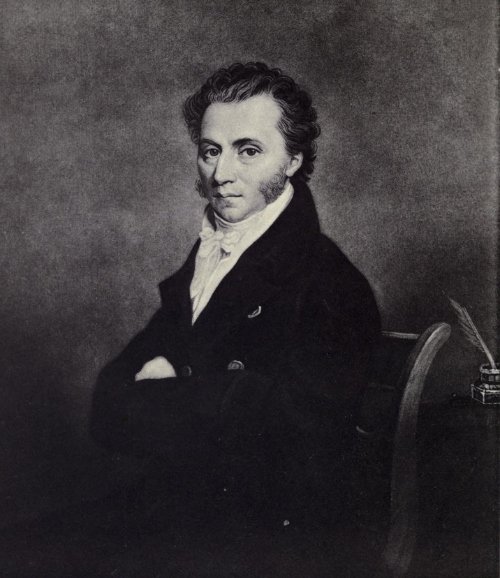
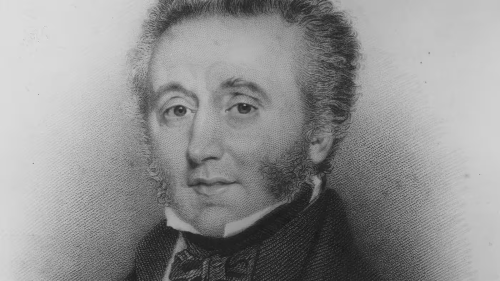
Thomas Attwood was a prominent British banker, economist, and political reformer, born in Halesowen and embarking on his career at his father’s bank in Birmingham.
From banking to radical economics
Attwood’s initial foray into public life involved campaigning against the East India Company, which he believed restricted foreign trade and contributed to unemployment in Birmingham. His insightful testimony to a parliamentary committee in 1812 helped limit the company’s monopoly. He then developed strong economic theories, advocating for a paper currency not tied to gold and an increased money supply to counter economic depressions. While these ideas gained popularity in Birmingham, they failed to sway the government of the day.
The Birmingham Political Union
This frustration led Attwood to conclude that parliamentary reform was essential. In January 1830, he founded the Birmingham Political Union (BPU) “of the Lower and Middle Classes of the People.” The BPU became a hugely influential organisation, attracting thousands to its meetings and serving as a model for similar unions across the country. Attwood’s leadership was instrumental in the widespread public campaign for the Great Reform Act of 1832, which aimed to address the unfair electoral system and grant representation to large industrial towns like Birmingham.
Parliamentary champion
Following the success of the Reform Act, Attwood was elected as one of Birmingham’s first two Members of Parliament in December 1832, a position he held until 1839. He continued to champion his economic views in Parliament, and later became an ally of the Chartist movement, presenting the first Chartist petition to the House of Commons in 1839. When this petition was rejected, Attwood, disheartened, resigned from Parliament.
Lasting legacy
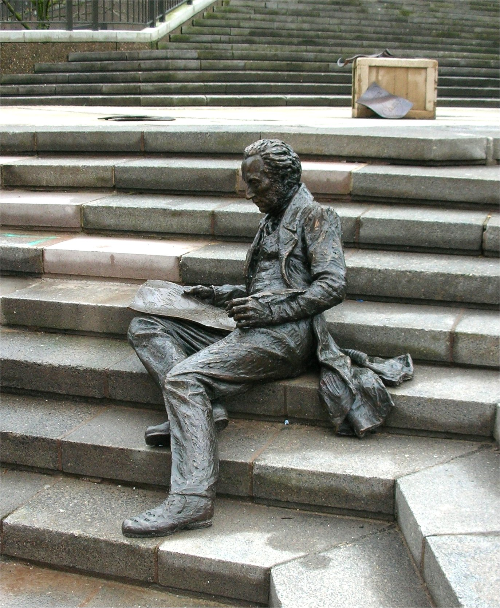
A bronze statue of Thomas Attwood, titled ‘Birmingham Man’, stands in Chamberlain Square, depicting him with sheaves of paper spelling out his demands for ‘Reform’, ‘The Vote’, and ‘Prosperity’. This statue, originally donated in 1993 by his great-great- granddaughter, is a lasting tribute to his enduring legacy as a champion of reform, proving that ordinary people could force political change. Attwood gave the city its first real representation in Parliament, giving Birmingham a voice to be heard.