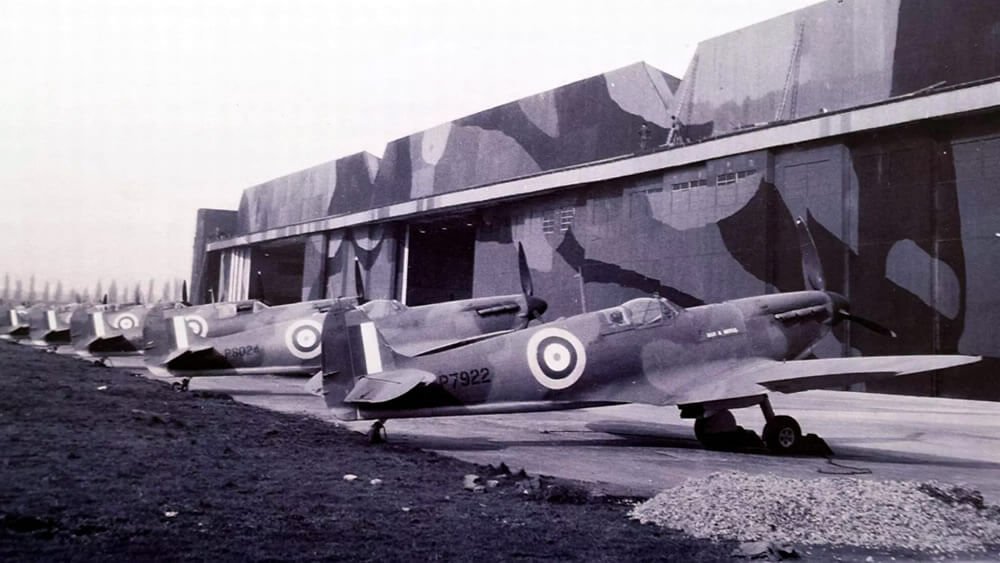
The Castle Bromwich Aircraft Factory was one of Britain’s most important wartime production facilities, built as part of the government’s 1936 “Shadow Factory Plan” to prepare for World War II.
From failure to success
Originally run by Lord Nuffield’s automotive company, the factory was a costly disaster. By early 1939, despite a budget that doubled to over £4 million, it had produced zero Spitfires, leading up to the start the Battle of Britain in May 1940. The problem was simple: Nuffield’s team tried to build Spitfires like cars, ignoring the original aircraft designs.
In March 1940, the government transferred control to Vickers-Armstrong and brought in experienced aircraft workers. The turnaround was remarkable:
- June 1940: First 10 Spitfires completed
- July: 23 aircraft
- August: 37 aircraft
- September: 56 aircraft
This proved crucial when the main Supermarine factory was bombed that September.
Britain’s Spitfire powerhouse
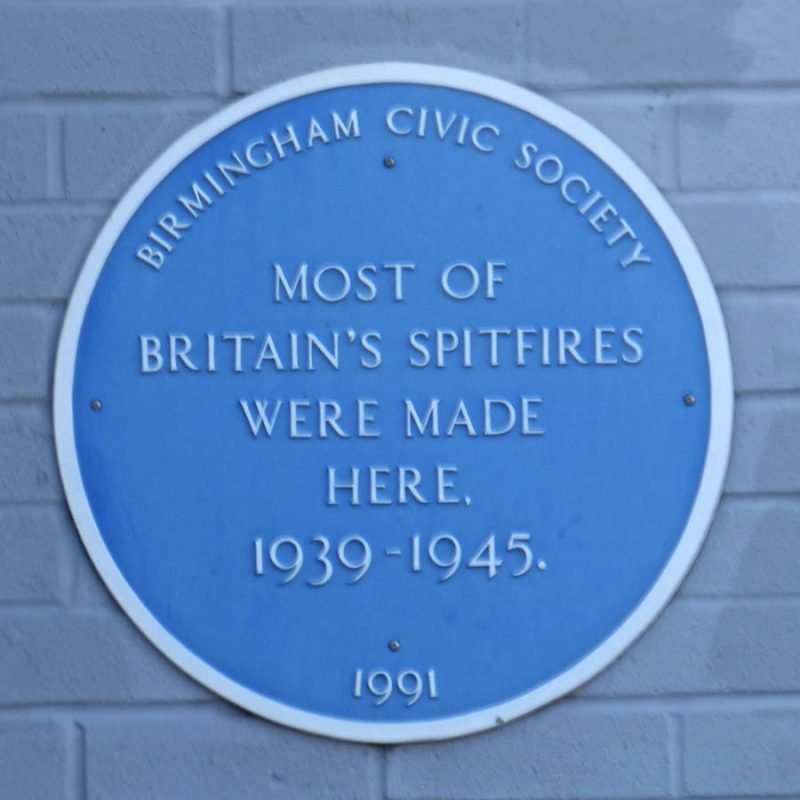
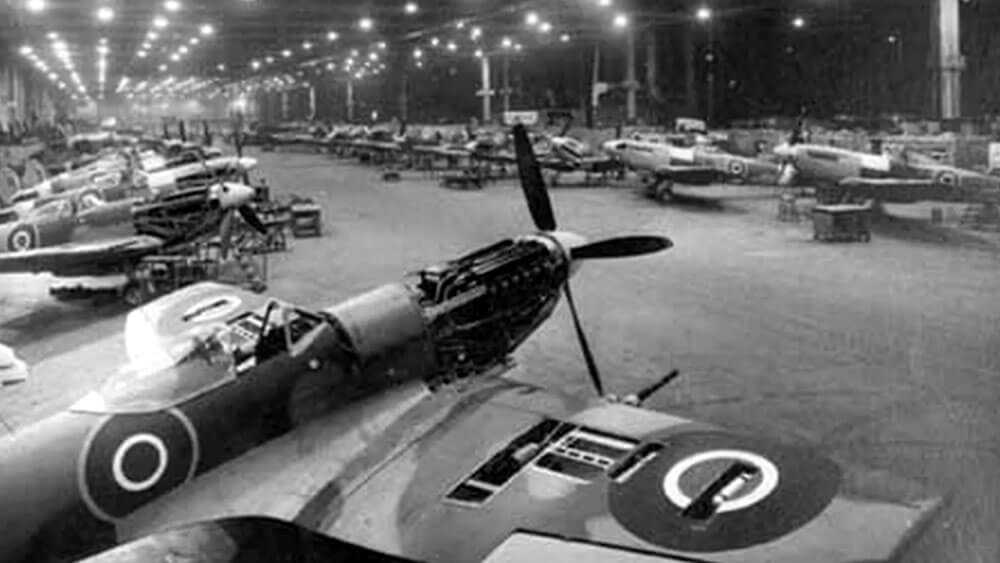
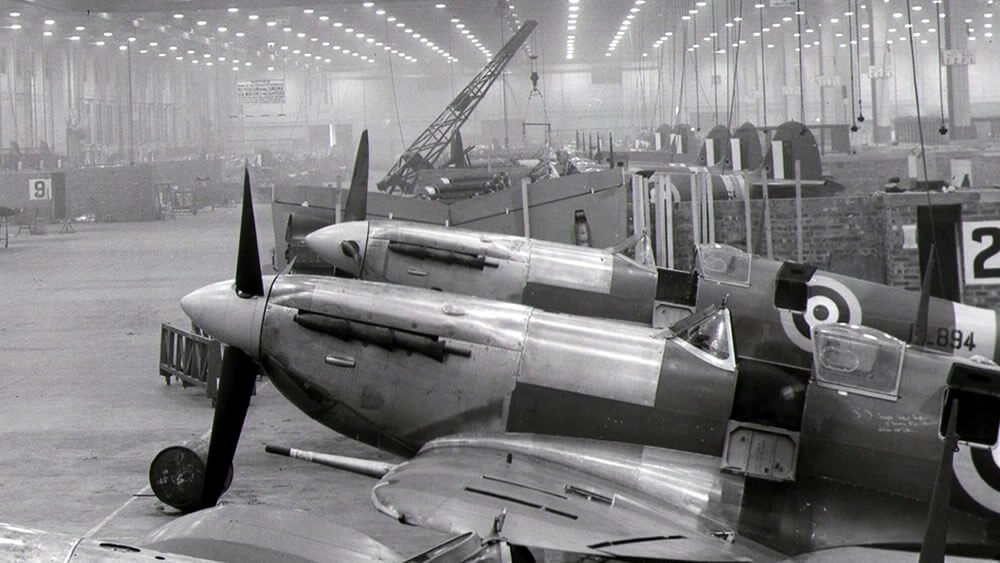
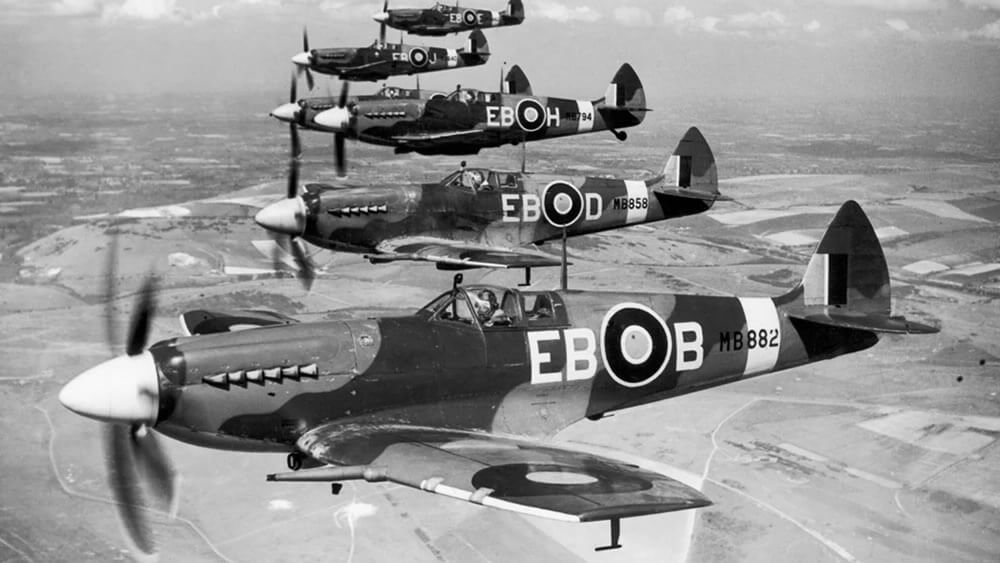
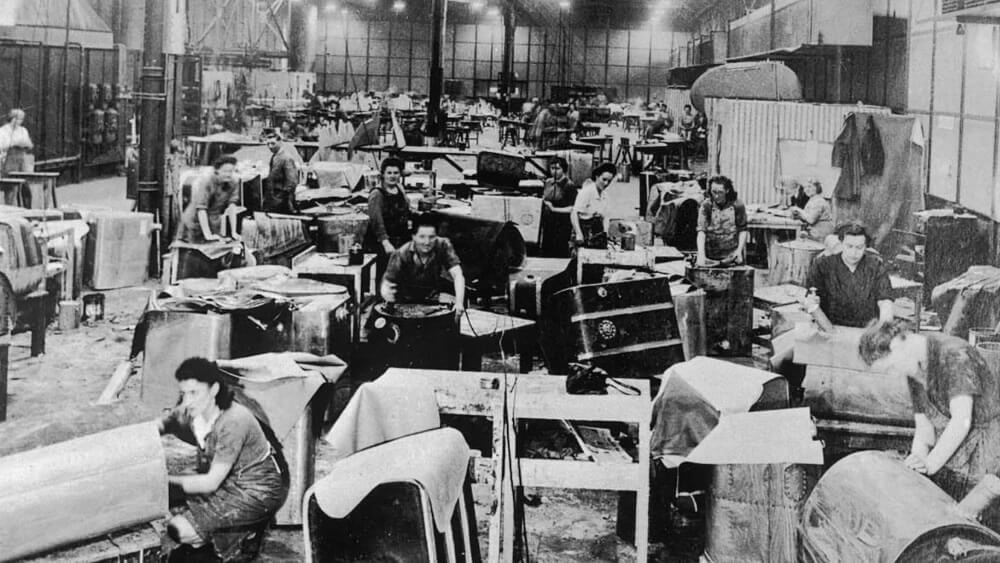
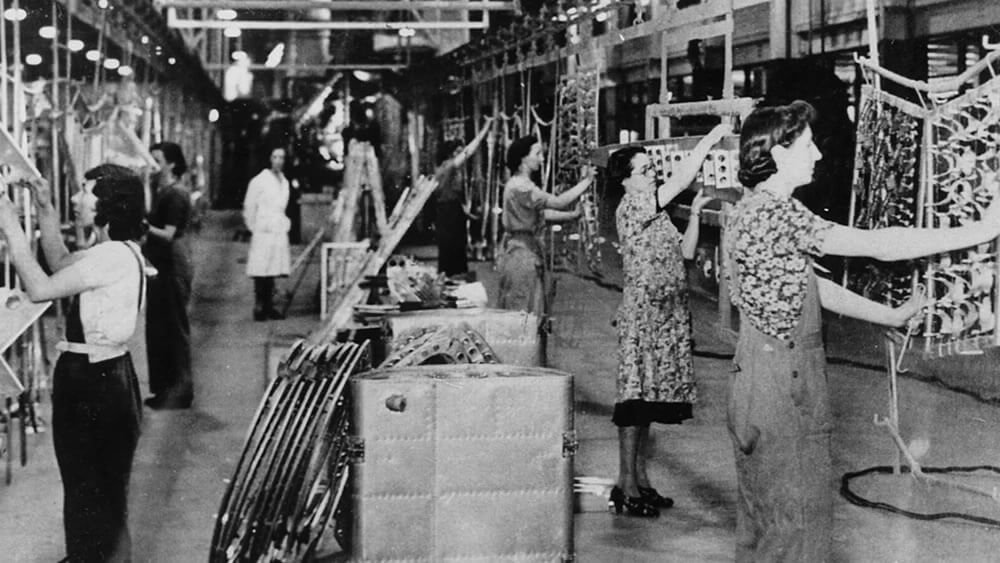
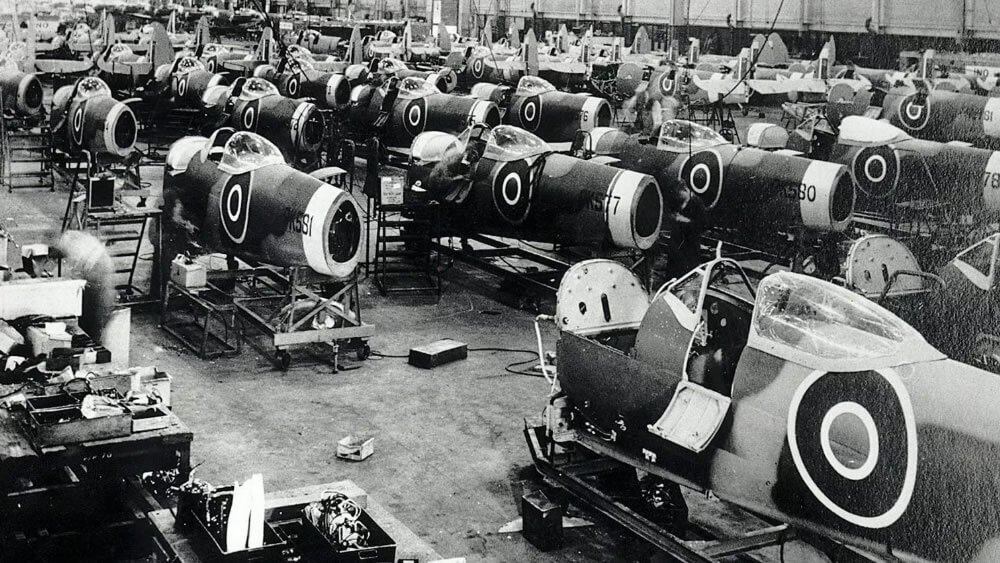
Under new management, Castle Bromwich became Britain’s aircraft giant, producing over half of all Spitfires ever built – 12,129 aircraft. The factory’s achievements were extraordinary:
- Peak production: 320 Spitfires per month
- Workforce: 12,000 people
- Women workers performed tasks uniquely suited to their smaller hands
- Endured over 200 bomb attacks, killing 11 workers
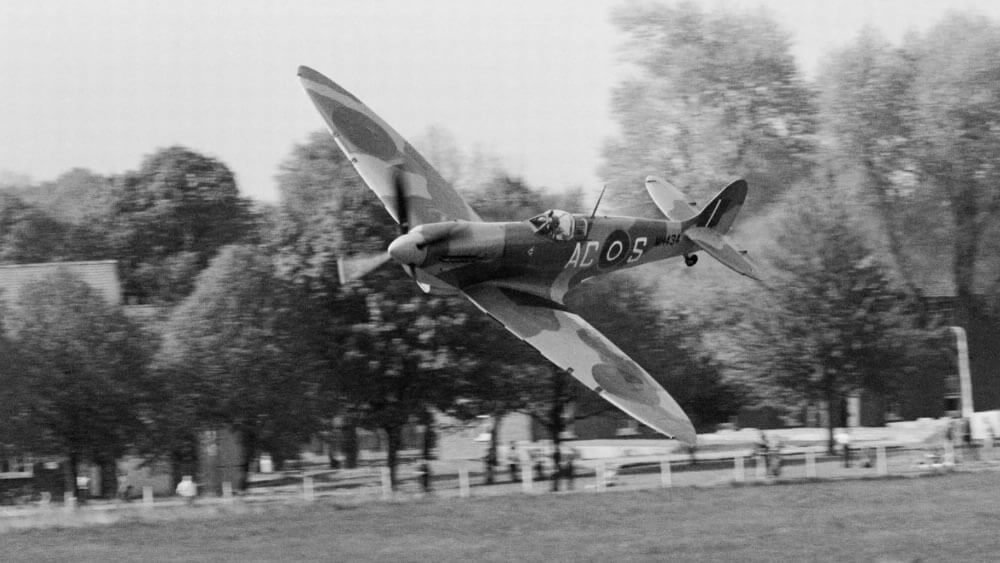
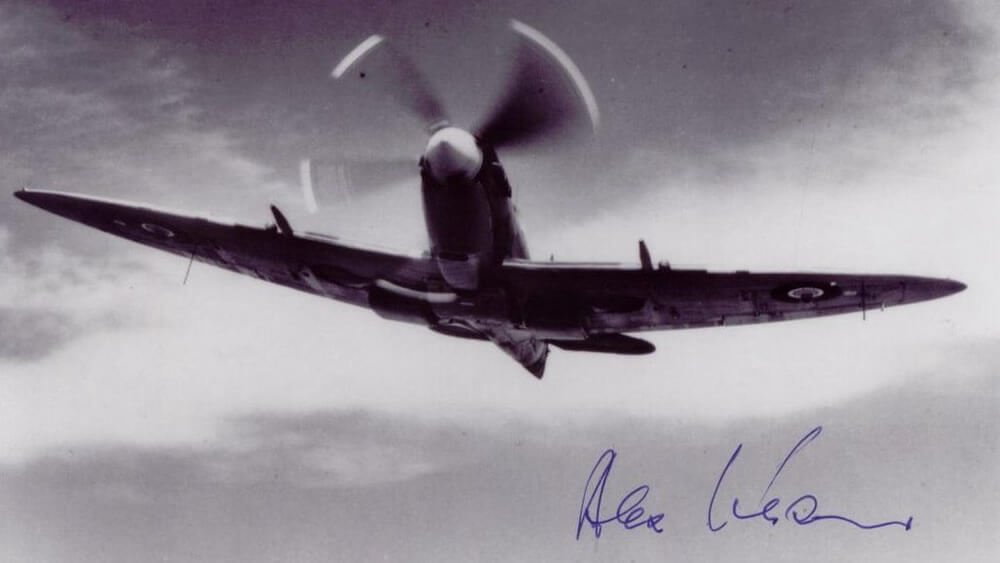
- Workers would cheer as test pilot Alex Henshaw flew their newly-built planes
Legacy and mystery
One mystery endures: local rumours persist of buried Spitfire components in the Castle Vale area, allegedly interred when production ended as jet engines made propeller aircraft obsolete. This “common knowledge” among former servicemen suggests undiscovered parts may still lie beneath the former factory site.
After the war, the factory continued as a car plant and today houses Jaguar’s manufacturing operation. The former airfield became the Castle Vale housing estate, with roads named after wartime aircraft and airfields. The legacy lives on through “The Sentinel” sculpture on Spitfire Island, and most remarkably, the Spitfire P7350, built here in 1940 and still flying with the RAF Battle of Britain Memorial Flight as the only airworthy Battle of Britain Spitfire.
Chief test pilot Alex Henshaw
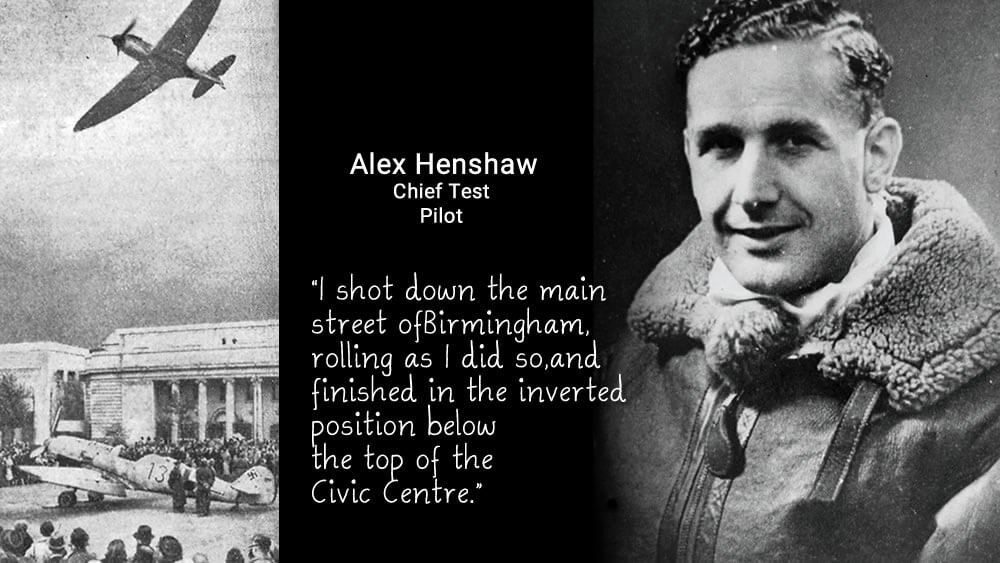
A pivotal, unsung hero was chief test pilot Alex Henshaw MBE. From 1940, Henshaw assumed responsibility for testing every single Spitfire built at the factory, personally flying an astonishing 2,360 newly-built aircraft between 1940 and 1946, which was over 10% of all Spitfires and Seafires produced.
In September 1940, Alex performed a daring aerial display over Birmingham’s city centre, flying his Spitfire over a captured German Messerschmitt on display to boost public morale. This audacious flight was famously described by onlookers as “a war dance in the air, a manifestation of the RAF’s unconquerable spirit, gay and grim.” The “gay” reflected the daring and camaraderie amidst the conflict, while the “grim” acknowledged the constant threat and sacrifices of wartime. Henshaw’s display became a powerful symbol of British defiance, stirring the city and reinforcing the nation’s resolve during the Battle of Britain.