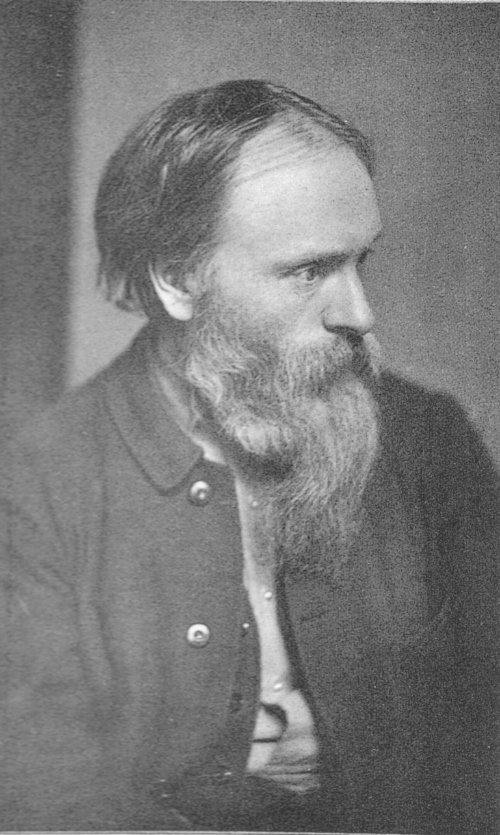
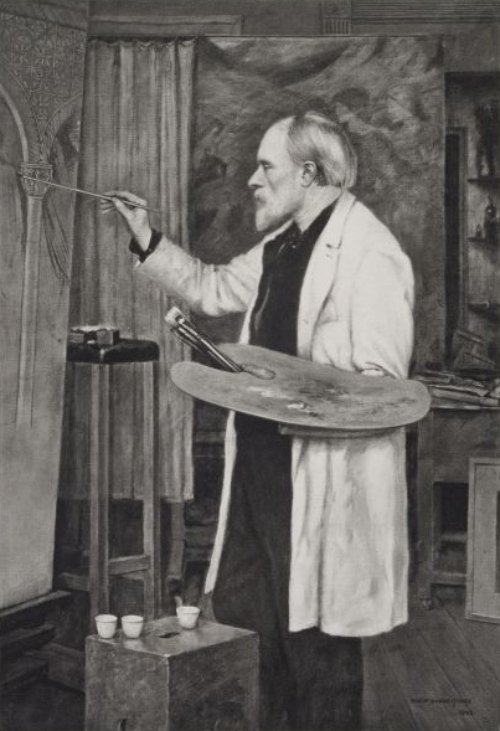
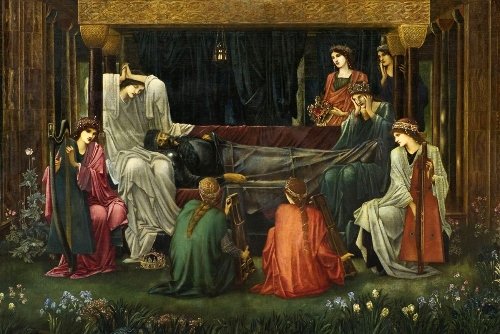
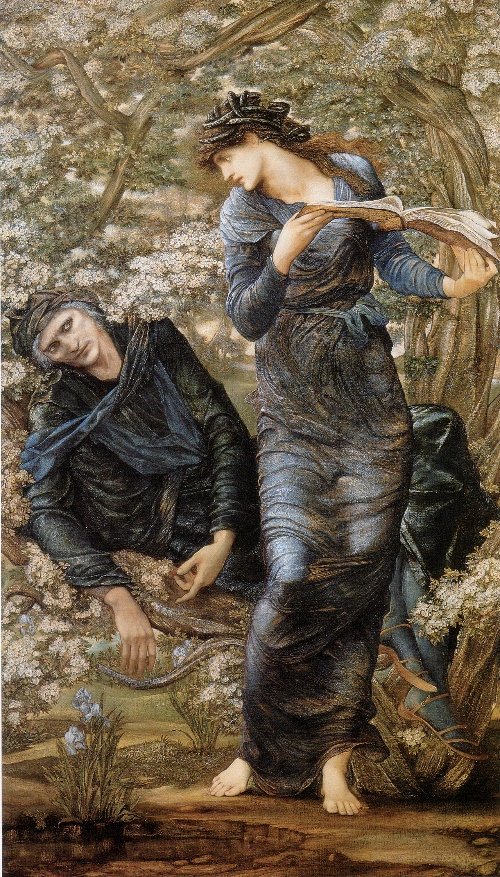
Edward Burne-Jones was a towering figure in Victorian art, a painter and designer of immense influence who became a leading light of the second phase of the Pre-Raphaelite movement. Although he achieved international fame and spent much of his adult life in London, his formative years and enduring connections to Birmingham were crucial to his artistic development.
Humble Birmingham beginnings
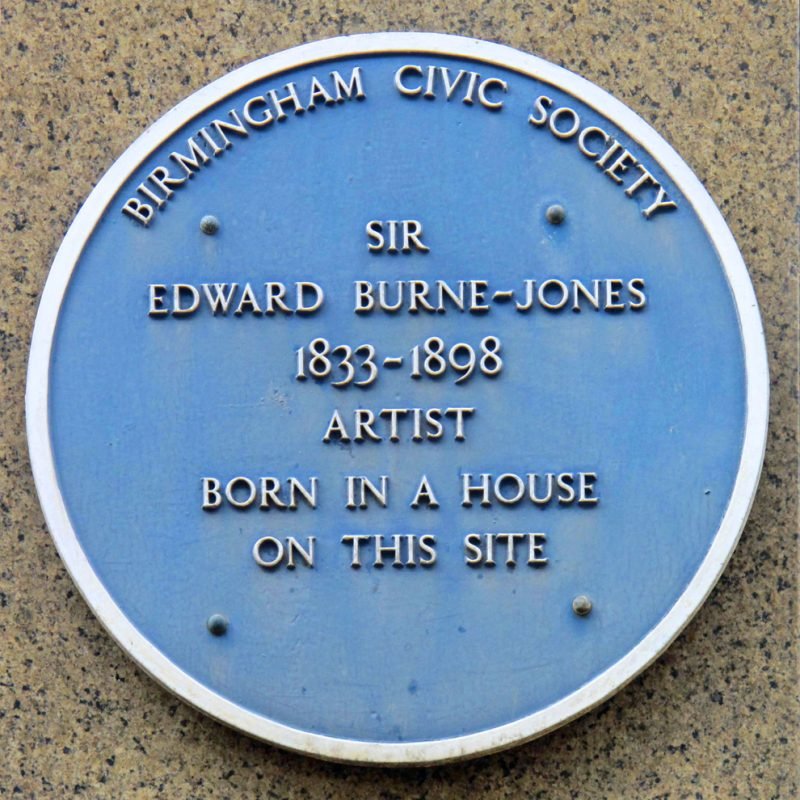
Born in Birmingham on 28th August 1833, at 11 Bennetts Hill, Burne-Jones’s mother died just six days after his birth. He was raised by his grieving father, a frame-maker and gilder, and the family housekeeper. He attended King Edward’s School in New Street and later the Birmingham School of Art, where he gained a strong foundation in drawing, although he always felt his artistic education was incomplete. His early exposure to his father’s craft and the burgeoning industrial and artistic scene in Birmingham shaped his sensibilities.
Oxford transformation and ‘The Brotherhood’
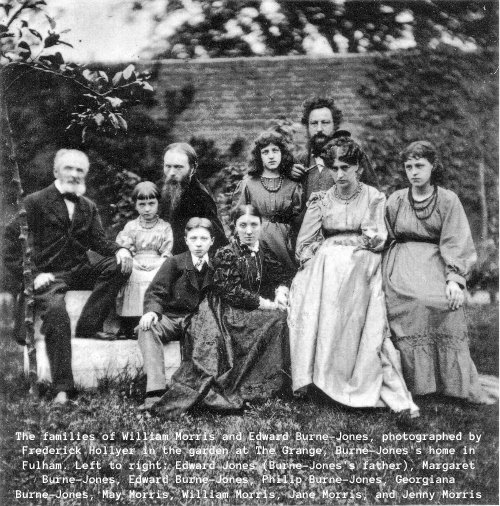
In 1853, Burne-Jones went to Exeter College, Oxford, intending to study theology for a career in the Church. However, this period proved transformative. He met William Morris, who became his lifelong friend and collaborator, and together, with a group of friends from Birmingham known as ‘The Brotherhood,’ they immersed themselves in medieval legends, poetry, and the writings of John Ruskin. This shared passion for the past and a desire to revive its artistic purity led both men to abandon their theological studies in favour of art.
Pre-Raphaelite mastery
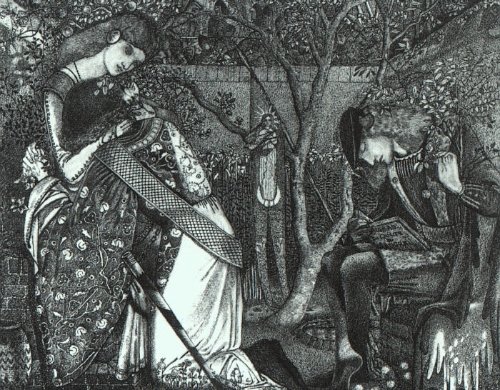
Burne-Jones became a protégé of Dante Gabriel Rossetti, a founder of the Pre-Raphaelite Brotherhood, who provided him with informal lessons and guidance. By the 1860s, Burne-Jones had developed his distinctive style, characterised by dreamy, often melancholy figures, rich symbolism, and an ethereal beauty drawn from mythology, classical antiquity, and medieval romance. He worked across various media, including painting, drawing, stained glass, tapestry, and book illustration.
Arts and Crafts revolution
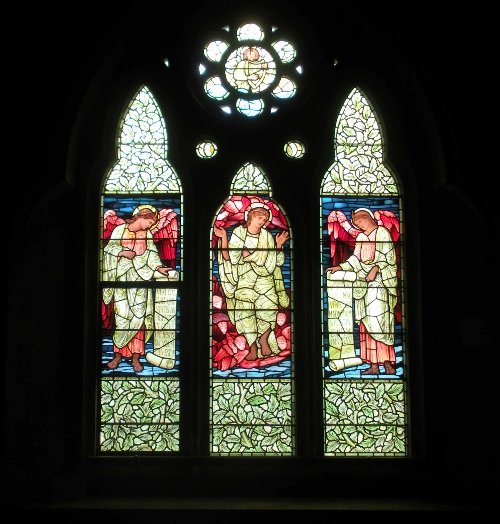
His collaboration with William Morris was fundamental to the Arts and Crafts Movement. As a founding partner of Morris, Marshall, Faulkner & Co. (later Morris & Co.), he designed exquisite stained glass, tapestries, and other decorative arts, contributing significantly to the revival of traditional craftsmanship.
Birmingham legacy never forgotten
Despite moving to London, Burne-Jones maintained a strong relationship with Birmingham. He designed the magnificent stained-glass windows for St. Philip’s Cathedral (now Birmingham Cathedral), including “The Nativity,” “The Crucifixion,” “The Ascension,” and “The Last Judgement,” which are considered among his finest works. He also served as President of the Royal Birmingham Society of Artists and advised the Birmingham School of Art.
Knighted in 1894, Sir Edward Burne-Jones died on 17th June 1898. Birmingham Museum & Art Gallery holds the world’s largest collection of his work, a testament to his origins and continuing legacy in the city.