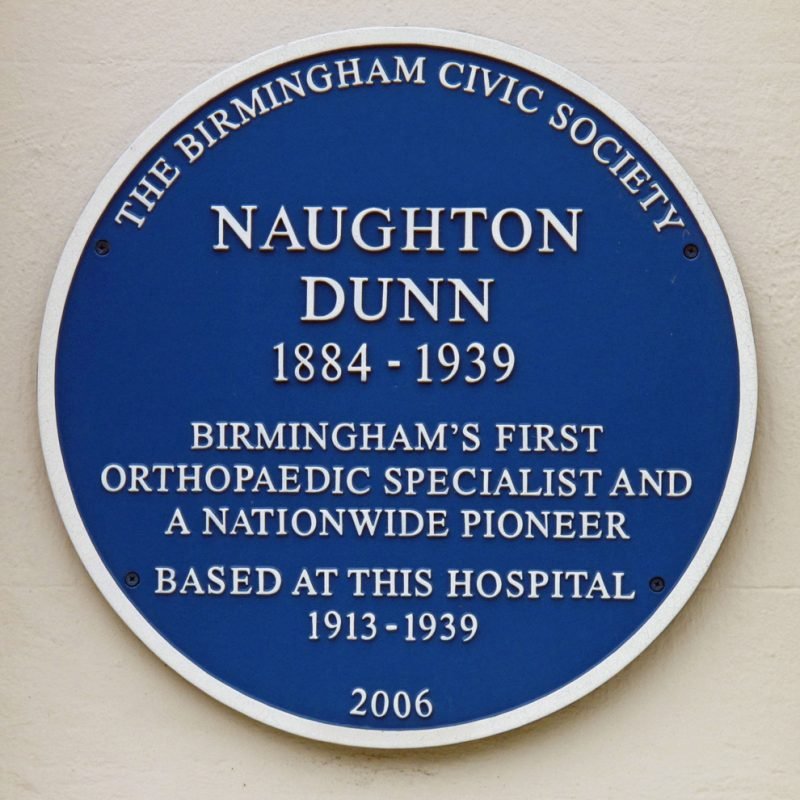
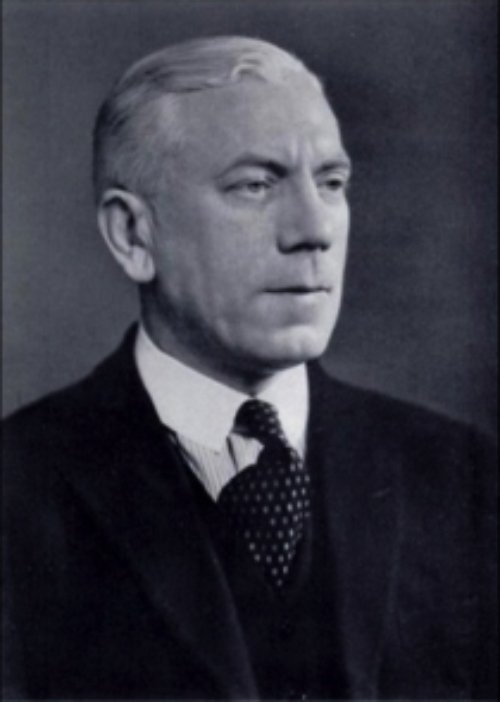
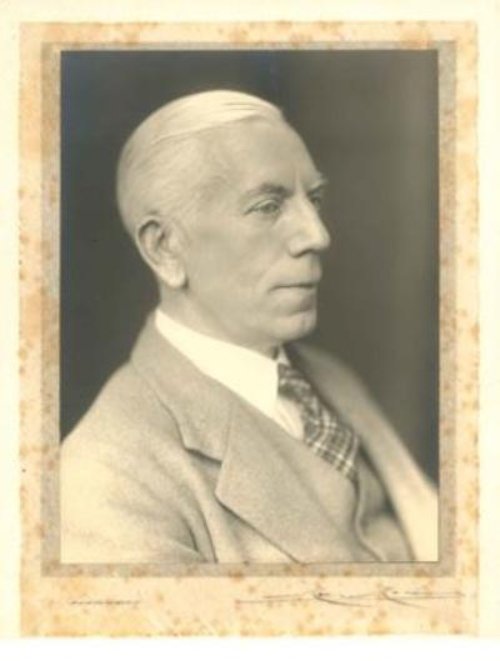
Naughton Dunn was an eminent orthopaedic surgeon who made significant contributions to the field, particularly in the treatment of war injuries and the development of orthopaedic services in the Midlands, including Birmingham.
From Aberdeen to Birmingham’s medical frontline
Born in Aberdeen, Scotland, on 22nd November 1884, Naughton Dunn embarked on a distinguished medical career. He served in the British Army, initially with the Scottish Horse “U” Company from 1902 to 1907, and later as a Captain in the Royal Army Medical Corps (RAMC) from 1907 to 1909. In 1913, he moved to Birmingham to take up the post of Honorary Surgeon for the Birmingham and District Cripples’ Union at Woodlands (now the Royal Orthopaedic Hospital), with consulting rooms in Calthorpe Road.
Surviving hell to save lives
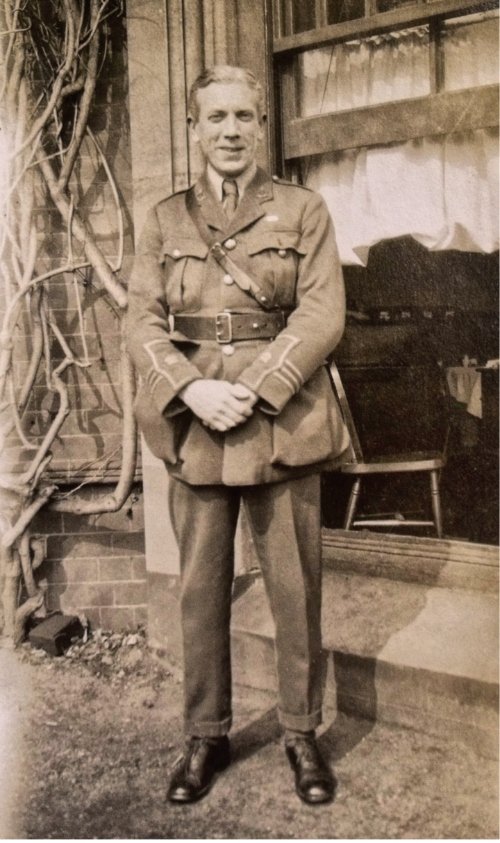
His expertise became crucial with the outbreak of the First World War. In 1915, Dunn enlisted in the Royal Army Medical Corps and served with the Mediterranean Expeditionary Force, narrowly surviving Gallipoli where he contracted hepatitis and typhoid. After his recovery, his talents were recognised by Sir Robert Jones, a pioneering orthopaedic surgeon, who transferred Dunn to Birmingham. Here, he became the surgeon in charge of all military orthopaedic hospitals in the area, playing a vital role in treating wounded servicemen. This period solidified Birmingham’s role as a centre for orthopaedic care.
Birmingham becomes Britain’s healing hub
After the war, Dunn continued his work as a leading orthopaedic surgeon. He held honorary consultant appointments from 1913 until his death. He was associated with the Royal Orthopaedic Hospital and the Robert Jones and Agnes Hunt Orthopaedic Hospital in Oswestry. His dedication to advancing orthopaedic surgery was widely acknowledged, coordinating care across multiple facilities and establishing Birmingham’s reputation for orthopaedic excellence that continues today. From 1918 – 1920 his main base was an 800 bed temporary hospital set up at Highbury Hall, Moseley where he proceeded with the work of rehabilitating the war wounded through occupational therapy, with customised programmes of recovery for each individual patient.
Building a medical legacy
Naughton Dunn passed away on 19th November 1939, after a long illness. His legacy in Birmingham and the broader orthopaedic community is enduring. The Naughton Dunn Orthopaedic Club, founded in 1963, was named in his honour, reflecting his lasting influence on the specialism.