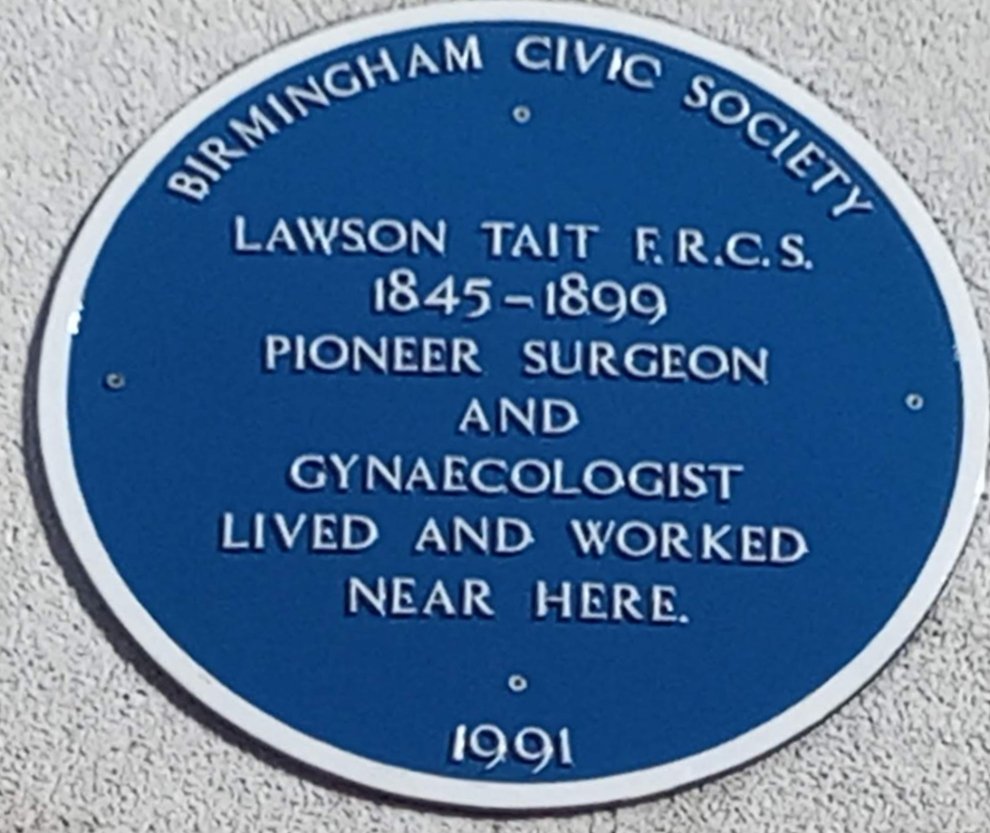
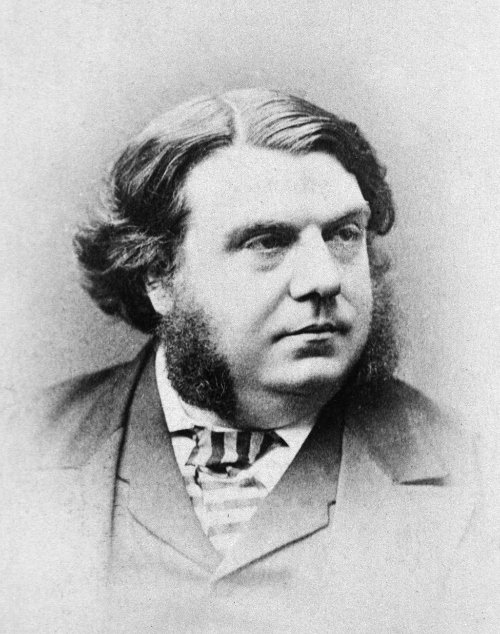
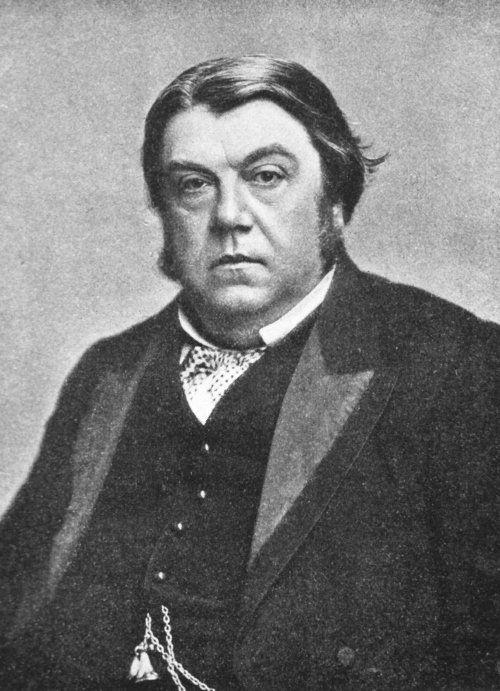
Lawson Tait was a revolutionary and often controversial Scottish surgeon who, through his innovative work in Birmingham, profoundly advanced abdominal surgery and gynaecology, saving countless lives.
The young revolutionary Born in Edinburgh, he studied medicine at the University of Edinburgh and qualified at a remarkably young age. Tait moved to Birmingham in 1870, where he spent the remainder of his highly productive, though often combative, career. He quickly established himself as a surgeon with a radical approach, challenging the established medical practices of his time. He was a pioneer of antiseptic surgery, though he developed his own simpler methods rather than strictly adhering to Joseph Lister’s complex carbolic spray technique, which led to significant debate. He lectured at the Birmingham and Midland Institute, in physiology and biology and was key in the development of a hospital exclusively for women.
Surgical breakthroughs His greatest contributions were in the field of gynaecological and abdominal surgery, a realm where interventions were previously considered too dangerous due to high mortality rates from infection and haemorrhage. Tait performed groundbreaking operations, including the first successful appendicectomy in England, and crucially, the first successful removal of an ectopic pregnancy in 1883, an operation that was previously almost universally fatal for the mother. He also performed numerous ovariotomies and pioneered safer techniques for hysterectomies. His innovative use of ligatures and his meticulous attention to surgical hygiene dramatically reduced patient mortality.
Beyond the operating theatre Tait was a prolific writer and a fierce debater, often engaging in public disputes with his medical peers, which sometimes overshadowed his immense scientific contributions. He believed in simplifying surgical procedures and making them more accessible, and he was known for his blunt manner and strong opinions.
Lawson Tait passed away in 1899 in the Vale of Glamorgan, Wales, but his legacy is deeply rooted in Birmingham. He transformed abdominal surgery from a procedure of last resort into a viable and often life-saving intervention.
Image Gallery
More Information
For further information about Lawson Tait, please see selective links below.