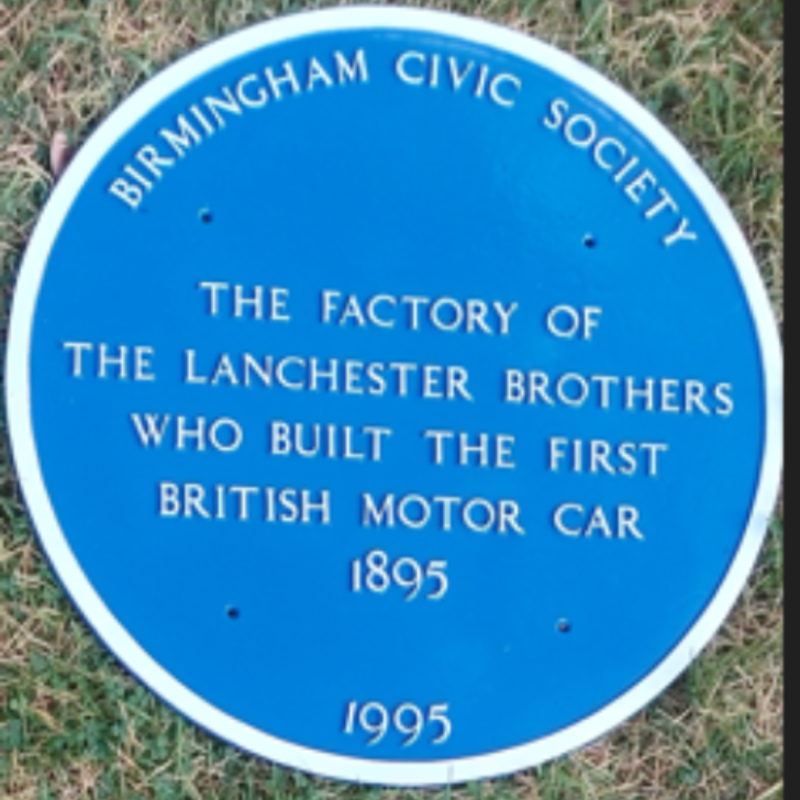
Frederick, George, and Frank Lanchester were true pioneers of the automotive industry in Britain, with their roots firmly in Birmingham. Their company, initially known for its groundbreaking engineering, produced some of the most innovative and luxurious cars of its time.
The genii behind the wheel
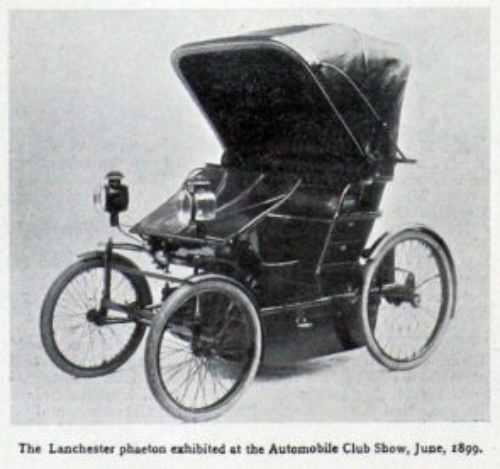
Frederick William Lanchester (1868-1946), was an engineering genius and polymath who built his first experimental four-wheel petrol car in 1895. This vehicle was unique, designed from first principles rather than simply adapting horse-drawn carriages, and featured many advanced innovations like a single-cylinder engine with contra-rotating flywheels for smoothness, epicyclic gearing, and worm drive.
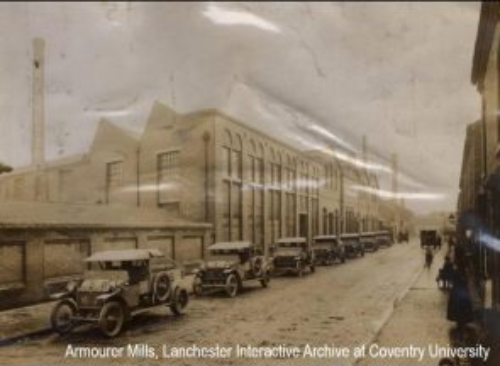
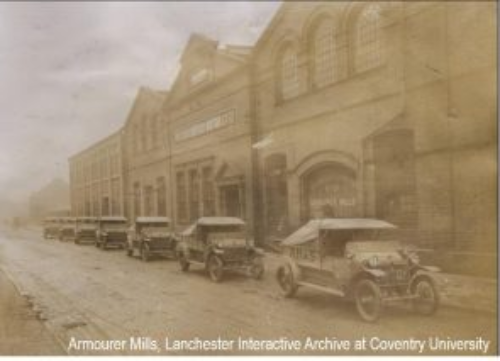
In 1899, Frederick, along with his younger brothers George Herbert Lanchester (1870-1970), also an engineer, and Frank Lanchester (1870-1972), who handled the commercial side, formally founded The Lanchester Engine Company Limited at Armourer Mills in Sparkbrook, a site that would become synonymous with early British motor manufacturing.
Pioneering breakthroughs
Their early production cars, launched in 1900, were two-cylinder models. Lanchester quickly gained a reputation for engineering excellence and luxury. They were pioneers in many areas, notably becoming the first company to market disc brakes to the public in 1902. Other innovations included their unique side-lever steering (though wheel steering was introduced later), advanced gearbox designs, and a relentless focus on engine smoothness.
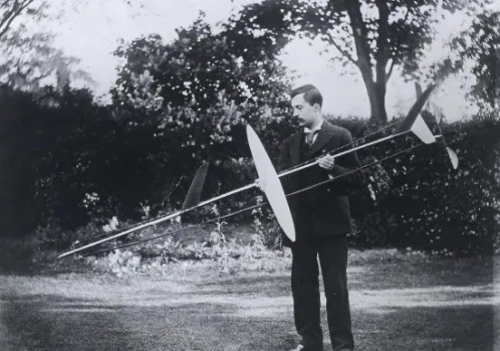
Despite their technical prowess and a full order book, the company faced financial difficulties in 1904 and went into receivership. It was quickly reformed as The Lanchester Motor Company Limited in 1905, though Frederick’s direct involvement became somewhat reduced as he pursued other interests, including groundbreaking work on the theory of flight and aerodynamics. George largely took over the engineering design of the cars, overseeing the development of larger and more conventional models, including impressive six- and eight-cylinder engines. During World War I, Lanchester contributed to the war effort by manufacturing artillery shells and aircraft engines, in addition to producing armoured cars based on their 38hp chassis for the Royal Naval Air Service.
Legacy and loss
In the post-war era, Lanchester continued to produce high-quality, expensive vehicles like the “Forty,” which rivalled Rolls-Royce. However, the economic downturn of the late 1920s severely impacted demand for luxury cars. In 1930 The Lanchester Motor Company was purchased by the BSA Group, which also owned Daimler. Production was subsequently moved from Birmingham to Daimler’s factories in Coventry.
After the takeover, Lanchester cars gradually became “badge-engineered” Daimlers, sharing common designs and components. While the Lanchester name continued to be used on certain models for a few decades, the distinct identity forged by the brothers in Birmingham faded. The last Lanchester-badged car rolled off the production line in 1955, bringing an end to a remarkable chapter in British automotive history.