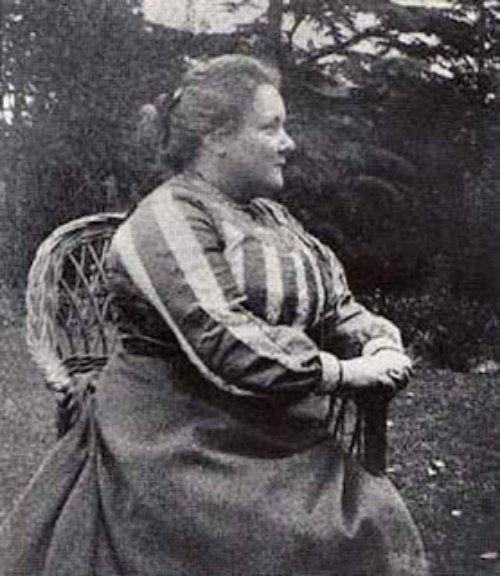
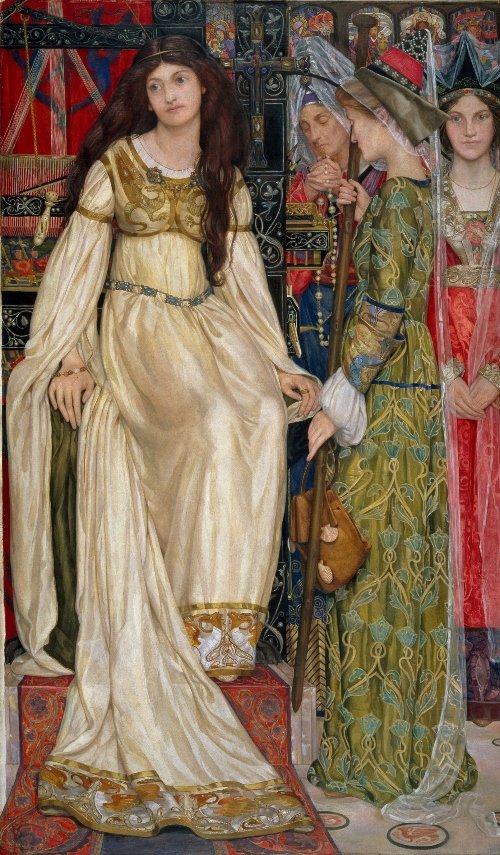
Kate Bunce was a notable English painter and poet, deeply associated with the Pre-Raphaelite and Arts and Crafts movements, and spent her entire life in Birmingham.
Artistic dynasty beginnings
Born in 1856, Kate Bunce was the daughter of John Thackray Bunce, a prominent newspaper proprietor and chairman of the Birmingham Museum and Art Gallery, which undoubtedly influenced her artistic inclinations. Bunce received her early education at home and in the 1880s, she enrolled at the Birmingham School of Art, where she proved to be a prize-winning student. Her early work showed the direct and well-drawn style of the Birmingham School, but she was soon drawn to the aesthetic of the Pre-Raphaelites, with influences from artists like Edward Burne-Jones and Dante Gabriel Rossetti. Her paintings are characterised by strong figure drawing, moderated colour, and often allegorical or symbolic themes.
National recognition and success
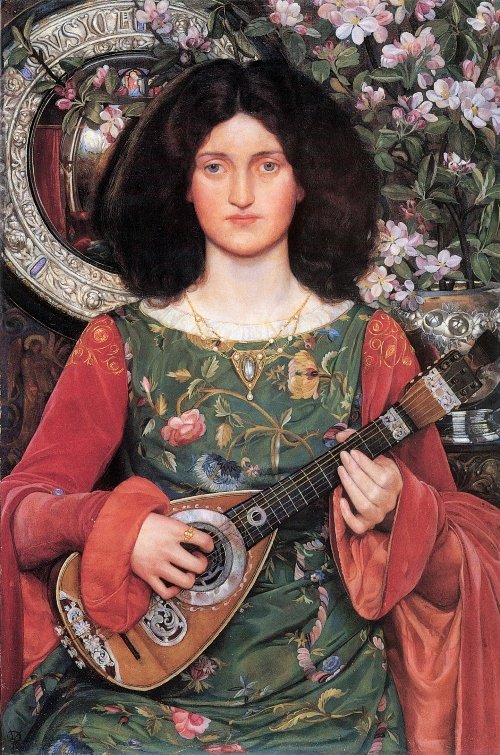
Bunce began exhibiting her work with the Royal Birmingham Society of Artists in 1874 and with the Royal Academy from 1887. In 1888, she became an Associate of the Royal Birmingham Society of Artists. Her work was shown across England, including in Liverpool, Manchester, and London, until around 1912. In 1893, she was among the artists invited to contribute to a series of historical murals for Birmingham Town Hall, though these are now lost. Her best-known works, “Melody (Musica)” and “The Keepsake,” were chosen as “picture of the year” at the 1901 New Gallery exhibition and are both now in the collections of Birmingham Museum and Art Gallery.
Sisterly collaboration
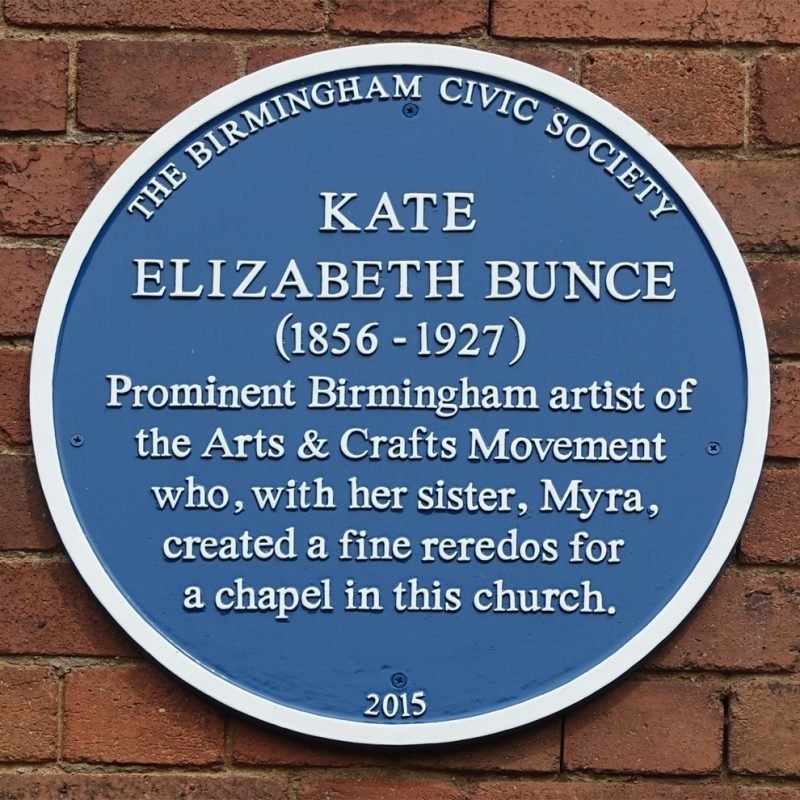
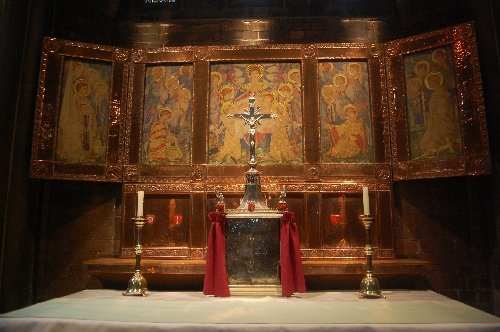
A devout Christian, Bunce produced several decorative works for churches, often collaborating with her sister, Myra Bunce, who was a skilled metalworker and watercolourist. Myra often created the copper frames for Kate’s paintings, such as the reredos for St. Alban the Martyr Church in Birmingham. From around 1910, Kate Bunce increasingly focused on large-scale works for church interiors in Britain and Canada. Kate Elizabeth Bunce lived all her life in Edgbaston, Birmingham, and died unmarried in 1927.