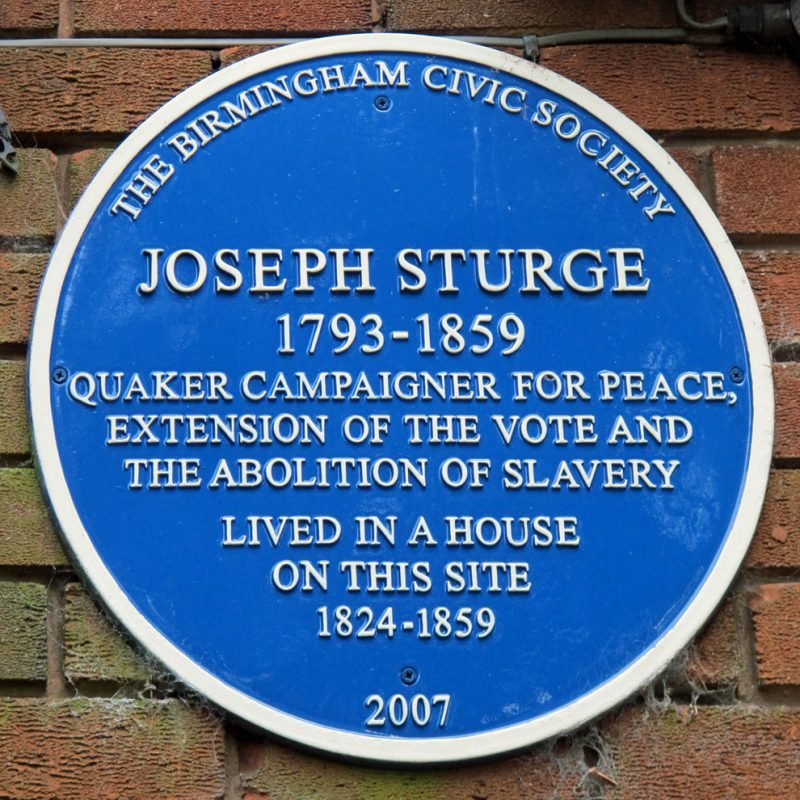
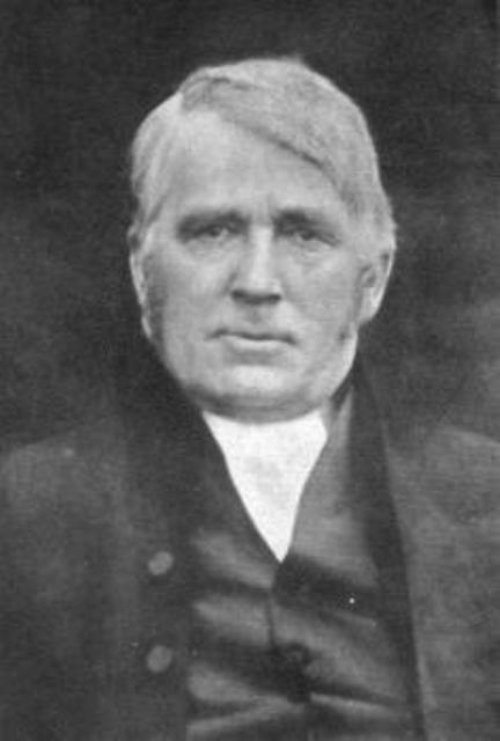
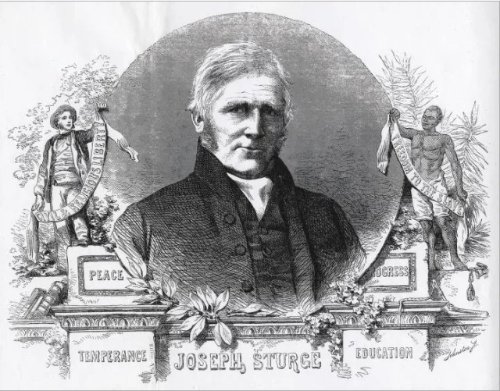
Joseph Sturge was one of Birmingham’s most influential and principled social reformers, a devout Quaker whose tireless advocacy for human rights left a profound mark on both his city and the wider world.
From Gloucestershire to Birmingham
Born in Elberton, Gloucestershire, Joseph Sturge moved to Birmingham in 1822 to join his brother Charles in the corn factor business, eventually becoming a highly successful merchant. The business grew to be one of the largest in the country and he accumulated considerable wealth, however this was always secondary to his deep commitment to social justice.
The slavery fighter
Sturge’s life was defined by his unwavering opposition to slavery. He was a leading figure in the anti-slavery movement, famously travelling to the West Indies in 1836/37 to gather first-hand evidence of the appalling conditions endured by enslaved people, even after the Slavery Abolition Act of 1833. His powerful testimonies and reports, such as The West Indies in 1837, exposed the continued injustices of the apprenticeship system and were instrumental in galvanising public opinion, contributing directly to the full abolition of slavery in the British colonies in 1838. Along with friend, William Allen, Sturge founded the British and Foreign Anti-Slavery Society in 1839 and travelled the USA observing the dreadful conditions endured by slaves there.
Champion of democracy
Beyond anti-slavery, Sturge was a zealous campaigner for a wide array of humanitarian causes. He was a prominent advocate for the Chartist movement, believing passionately in democratic reform and universal suffrage. He championed peace, helping to found the Peace Society and organising international peace congresses. In Birmingham, his benevolence was evident in his support for education for the poor, temperance movements, and the establishment of libraries and public baths. He famously ran a school for poor children at his own expense and opposed the Corn Laws, which kept bread prices artificially high. Sturge always did what he thought was right and ought to be done – this made him respected but he was not popular. He unsuccessfully contested parliamentary elections at Nottingham in 1842, Birmingham in 1844 and Leeds in 1847.
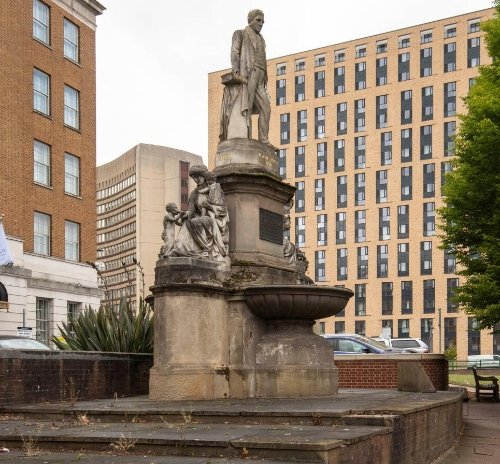
Joseph Sturge passed away in Birmingham in 1859, and his funeral was attended by thousands, a testament to the immense respect and affection he garnered from all walks of life. His statue, unveiled in 1862 and prominently located near Five Ways in Birmingham, stands as a lasting tribute to his immense contributions to human liberty and social welfare.