Giving Birmingham the space, confidence and platform to tell its own story — past, present and future.
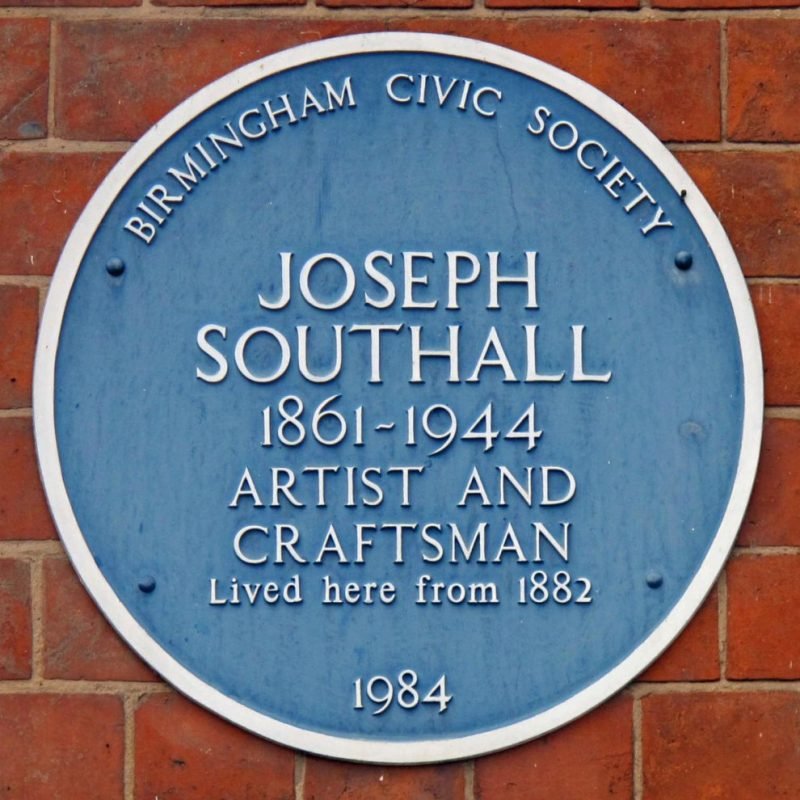
Blue Plaque: Joseph Southall
Joseph Edward Southall (23/08/1861 - 06/11/1944)
Birmingham's master of light and colour
Blue Plaque Awarded: 1984 Address: 13, Charlotte Road, Edgbaston, B15 2NG
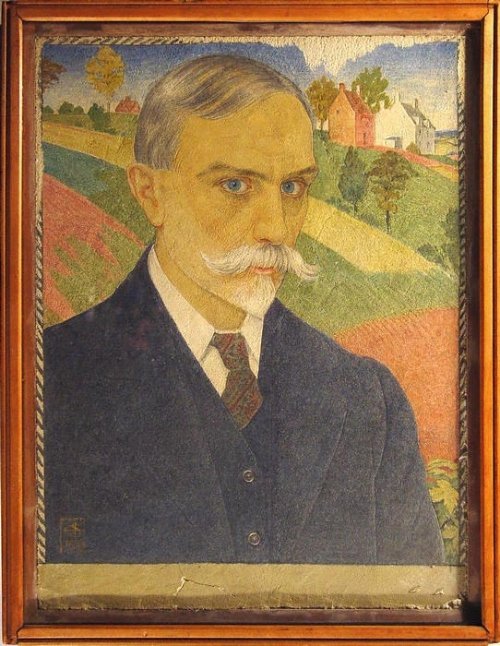
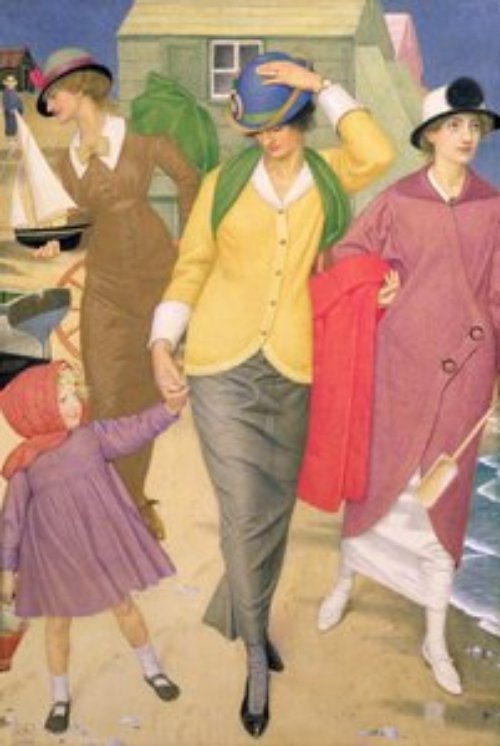
Joseph Southall was a distinguished Birmingham artist, deeply associated with the Arts and Crafts movement and a leading figure in the revival of tempera painting techniques.
Birmingham beginnings Born in Nottingham, Joseph Southall moved to Birmingham as a child following the death of his father, and his early education took place in the city, notably at the Friends’ School in Edgbaston. Southall initially trained as an architect, but his true passion lay in painting. He studied at the Birmingham School of Art, where he was influenced by the Pre-Raphaelite Brotherhood and the ideas of William Morris and John Ruskin. A pivotal trip to Italy in 1883 exposed him to the early Italian Renaissance masters, particularly their use of tempera. This experience profoundly shaped his artistic direction, leading him to abandon oil painting in favour of the luminous, precise, and durable medium of tempera.
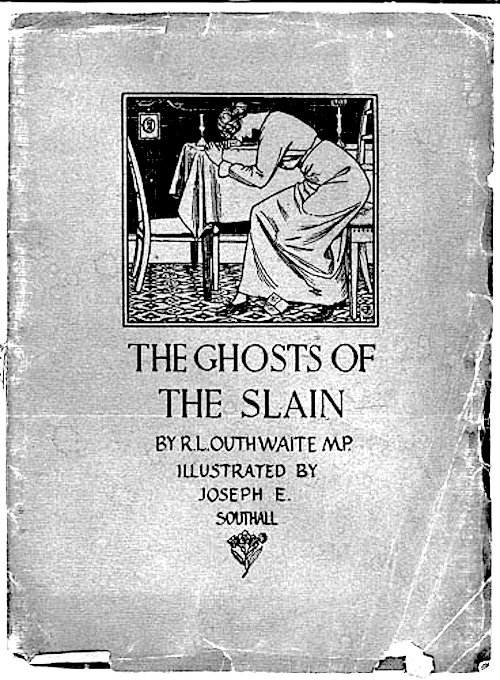
Artistic hub Upon his return to Birmingham, Southall became a fervent advocate for tempera painting, meticulously researching and reviving ancient techniques. He was a founding member of the Birmingham Group of artists, who shared an interest in Pre-Raphaelite aesthetics, symbolism, and the meticulous craftsmanship championed by the Arts and Crafts movement. His work is characterised by its exquisite detail, vibrant colours, flattened perspectives, and often allegorical or mythological themes. He also designed mosaics, frescoes, and stained glass. His pioneering work greatly influenced two of the most prominent practitioners of the medium – Arthur Gaskin and Maxwell Armfield. He lived and worked for much of his life in Edgbaston where his home became a hub for artists and intellectuals. He exhibited widely, including at the Royal Academy and with the Tempera Society, which he helped to found in 1901. In 1902 he was elected to the RBSA and served as its president from 1939-1944. Southall was also a member of the Royal Watercolour Society and the New English Art Club.
Legacy Southall’s personal life was also notable for his Quaker faith and his pacifist convictions, which were deeply held and influenced some of his artistic and social views. In 1914 he became Chairman of the Birmingham arm of the Peace Society campaigning for international disarmament and served as secretary to the Birmingham branch of the Independent Labour Party from 1914 to 1931. Joseph Southall passed away in Birmingham in 1944. His paintings are celebrated examples of British Arts and Crafts artistry and form an important part of Birmingham’s rich artistic heritage.
Image Gallery
More Information
For further information about Joseph Southall, please see selective links below.