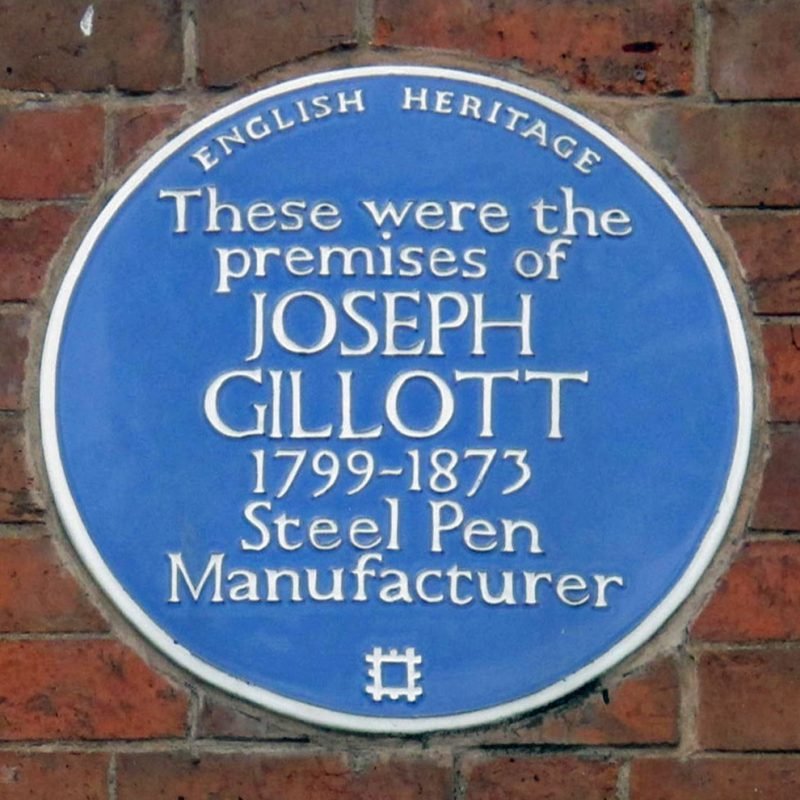
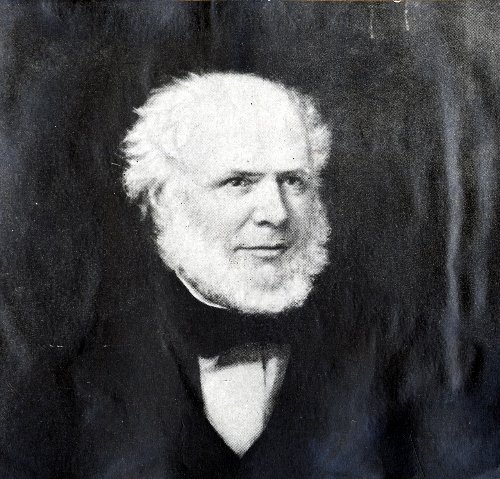
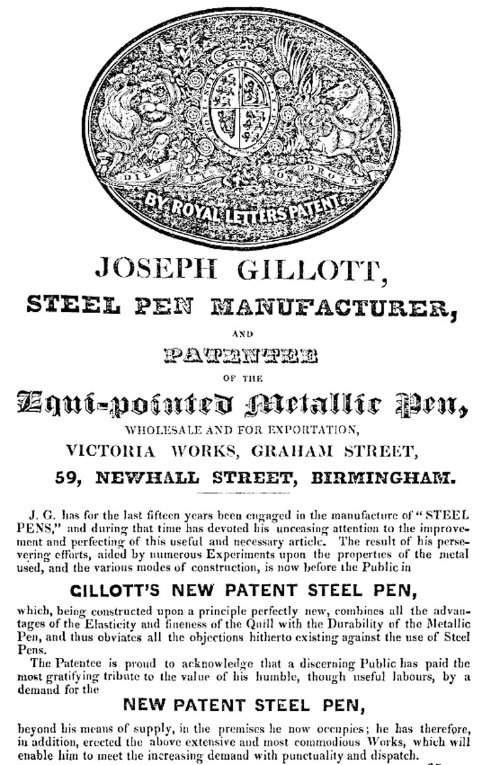
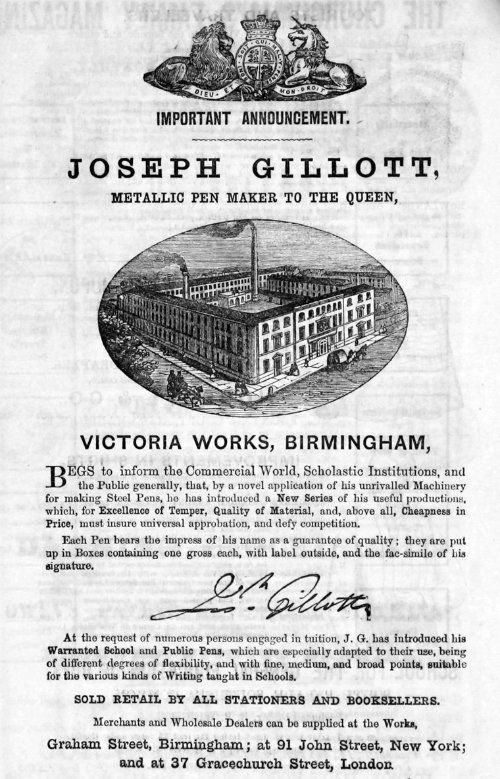
Joseph Gillott was a transformative figure in the industrial history of Birmingham, whose innovative approach to steel pen manufacturing made writing accessible to the masses and cemented the city’s global reputation as a centre for pen production.
From Knives to Nibs
Born in Sheffield, Yorkshire, in 1799, the son of a knife cutler, Gillott’s early life was immersed in the metal trades. He moved to Birmingham around 1820, initially working as a journeyman toolmaker, specialising in buckles and small steel toys. It was while working in the buckle trade that he began to experiment with improving the crude, expensive, and often unsatisfactory quill pens or the nascent steel pens of the era. Prior to his innovations, steel pens were laboriously made by hand, limiting their availability and affordability.
The Breakthrough Innovation
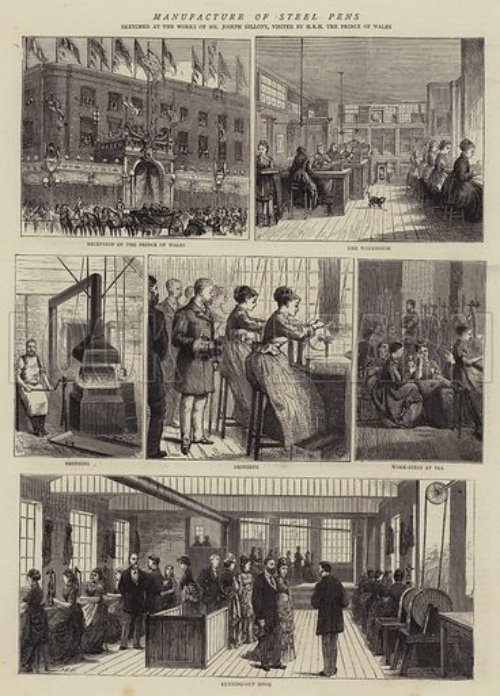
Gillott’s genius lay in adapting existing technologies and developing new ones for mass production. In 1827, he established his own business and, crucially, began to use machinery to produce steel nibs. He pioneered several key innovations, including the use of presses for cutting pen points, methods for grinding and slitting the nibs, and improvements in the tempering process. He was also instrumental in introducing machines that allowed for the precise, repetitive manufacture of pen nibs, dramatically increasing production efficiency and reducing costs.
Industrial boom
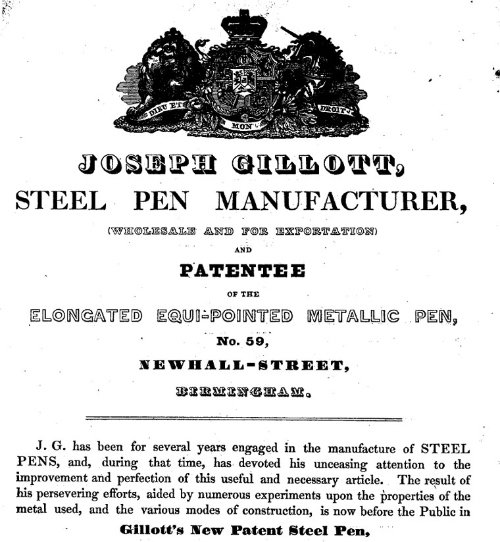
By 1830, Gillott’s innovations had begun to revolutionise the pen industry. His factory in Bread Street, Birmingham, expanded rapidly, and he was soon producing millions of pens annually. He was a keen marketer and competitor, acquiring patents and tirelessly improving his designs to create a smoother, more durable, and more affordable writing instrument. His success led to the establishment of the ‘Pen Trade’ as a major industry in Birmingham, with other significant manufacturers like Josiah Mason and Perry joining the burgeoning sector. By the mid-19th century, Birmingham was supplying the vast majority of the world’s steel pens.
The cultured industrialist
Beyond his industrial achievements, Gillott was a shrewd businessman and a significant art collector, amassing an impressive collection of paintings, including works by J.M.W. Turner, which were sold after his death for a considerable sum.
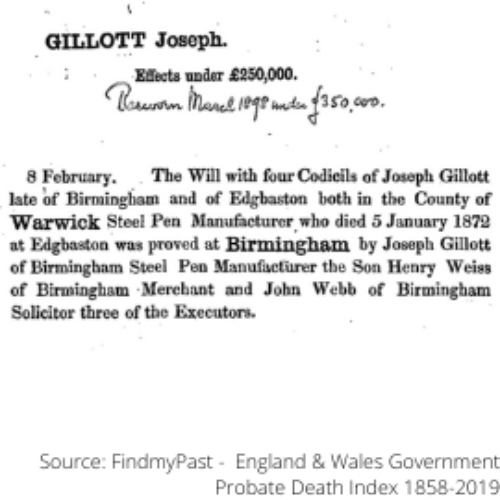
Joseph Gillott died in Edgbaston, Birmingham, on 5th January 1872, leaving behind a vast fortune and a legacy that extended far beyond his wealth. He is buried in Key Hill Cemetery. His ingenuity democratised writing, making literacy more widespread, and established Birmingham as the “Pen Capital of the World.”