Giving Birmingham the space, confidence and platform to tell its own story — past, present and future.
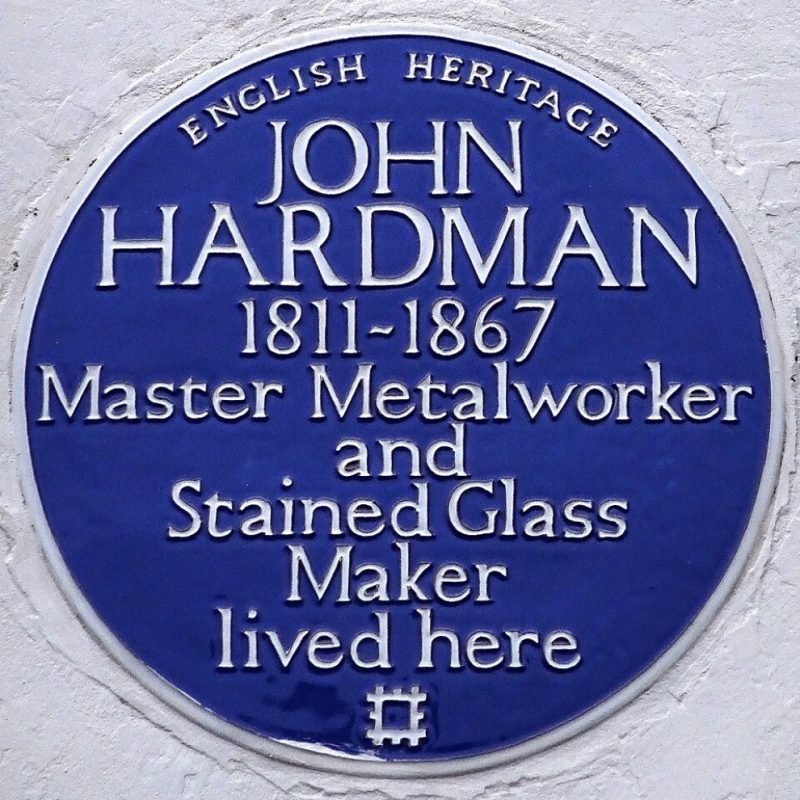
Blue Plaque: John Hardman
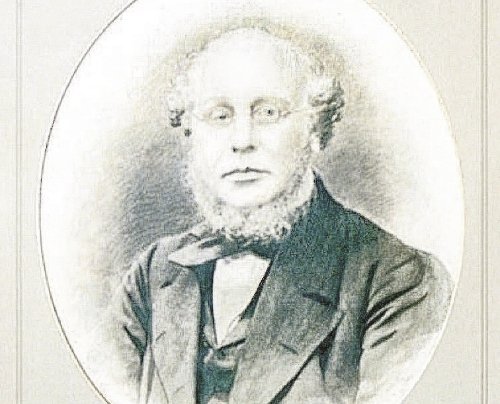
John Hardman (1811- 29/05/1867)
Birmingham craftsmanship creating sacred beauty for the world
Blue Plaque Awarded: English Heritage, date unknown Address: 101 Hunter’s Road, Lozells, B19 1EB
John Hardman was a pivotal figure in the Gothic Revival movement, transforming his family’s metalworking business in Birmingham into one of the world’s leading manufacturers of ecclesiastical metalwork and stained glass.
Family business foundations Born in Birmingham in 1811, he was the son of John Hardman Senior (1767-1844), an “opulent button maker and medallist” who had already established a thriving family business. John Hardman Junior’s life took a significant turn in 1837 when he met the renowned architect Augustus Welby Northmore Pugin, a driving force behind the Gothic Revival. Sharing Pugin’s passion for medieval art and a commitment to the Catholic faith, Hardman was persuaded by Pugin to expand his existing metal button business into the production of ecclesiastical metalwork. This collaboration proved highly successful, with Hardman providing the manufacturing expertise to realise Pugin’s exacting designs for church furnishings and sacred vessels.
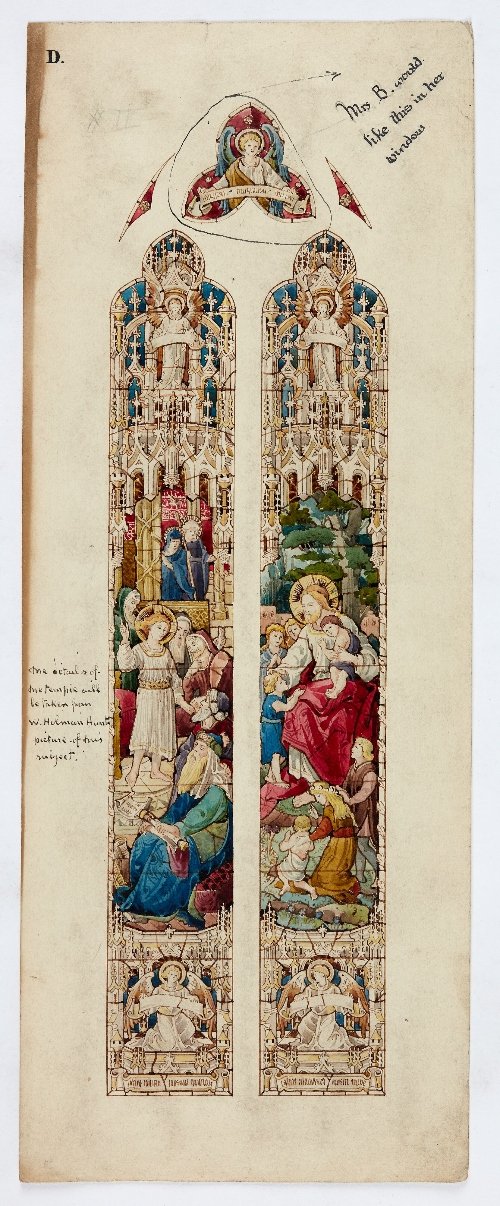
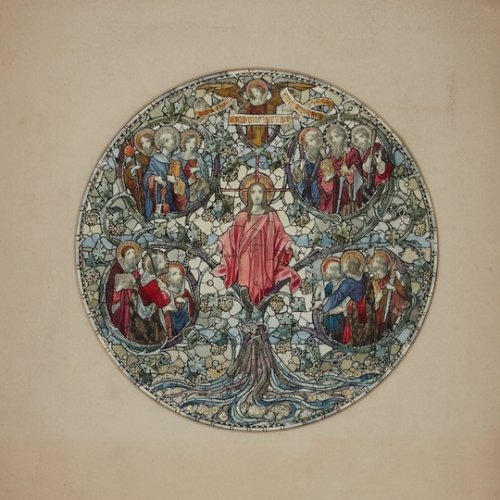
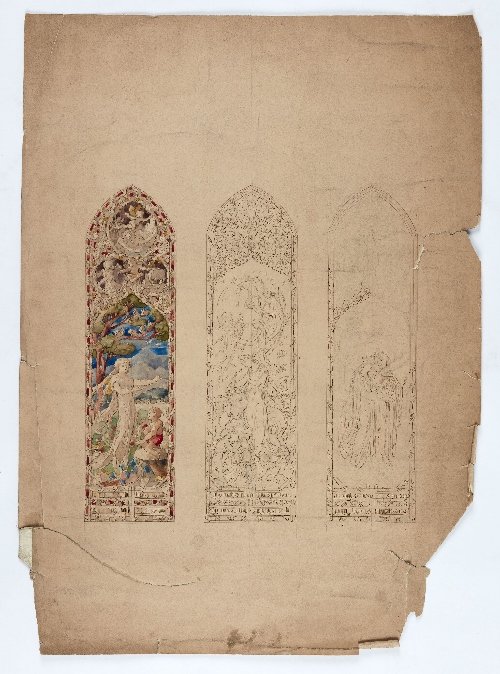
From button-making to ecclesiastical artistry In 1838, Hardman established John Hardman & Co. specifically for the purpose of manufacturing Pugin’s designs, initially as an offshoot of the family firm in Paradise Street, Birmingham. The company rapidly gained a reputation for its high standards of design and craftsmanship. In 1845, at Pugin’s urging, Hardman further expanded the business to include a stained glass workshop, becoming one of the country’s foremost manufacturers in this field. Pugin served as the firm’s chief designer until his death in 1852.
Gothic revival revolution The collaboration between the Hardman firm and Pugin was instrumental in shaping church architecture and decoration throughout the 19th century. Hardman & Co. supplied metalwork and stained glass for numerous churches and cathedrals, including extensive commissions for the new Palace of Westminster (Houses of Parliament). Their colossal display at the Great Exhibition of 1851 earned them significant accolades. A new showroom was opened in Great Charles Street, giving Hardman a shop-window on the world in which visitors could inspect and order everything they needed.
Birmingham’s Catholic benefactor Hardman himself was a staunch Roman Catholic and a generous benefactor to the local Catholic community in Birmingham. He contributed significantly to the cost of building St. Chad’s Cathedral and founded the Convent of Mercy in Handsworth. He also established a choir at St. Chad’s Cathedral to sing Gregorian Chant. He died in Bristol in 1867 at the age of 55 and was buried in the crypt of St. Chad’s Cathedral in Birmingham, in the Hardman Chantry, which had been recognised for his charitable provisions. His legacy continued through the enduring work of John Hardman & Co., which continued to produce exquisite stained glass and metalwork for decades after his death, leaving a lasting artistic and religious imprint on countless buildings worldwide.
Image Gallery
More Information
For further information about John Hardman, please see selective links below.