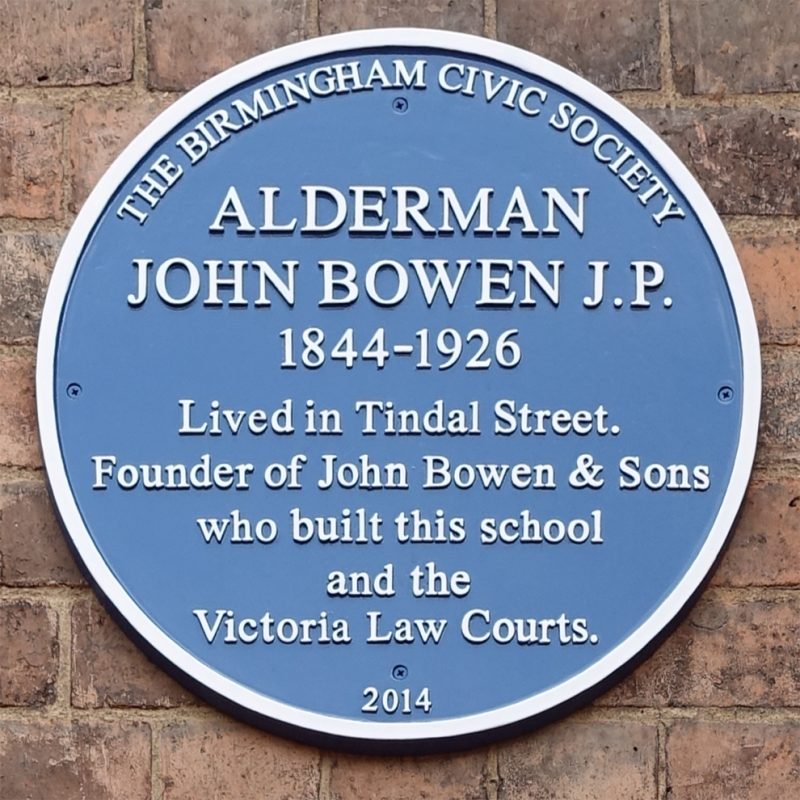
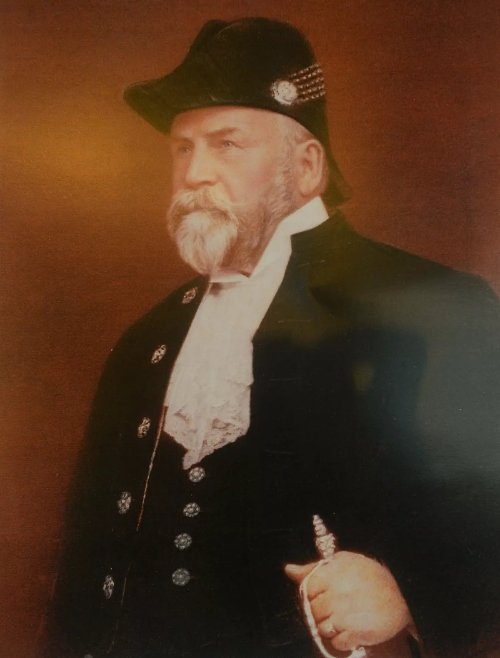
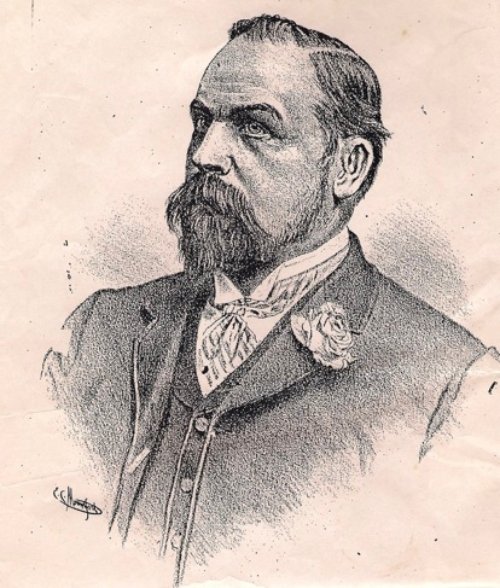
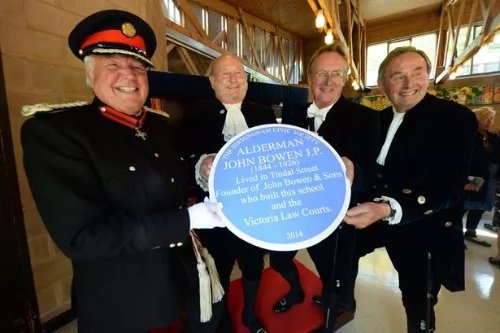
John Bowen was a highly successful and influential businessman and builder who left an indelible mark on the landscape of Victorian and Edwardian Birmingham.
Humble beginnings to business success
Born in Rochford, near Tenbury, the son of a blacksmith, Bowen’s journey to becoming a prominent figure in the city is a testament to his ambition and hard work. He arrived in Birmingham around 1868 as a carpenter and by 1875, he had established his own building firm, John Bowen and Sons. His business grew rapidly, and in 1880, he acquired more extensive premises in George Street, Balsall Heath, which included offices and a large joinery yard.
Building Birmingham’s grandest landmarks
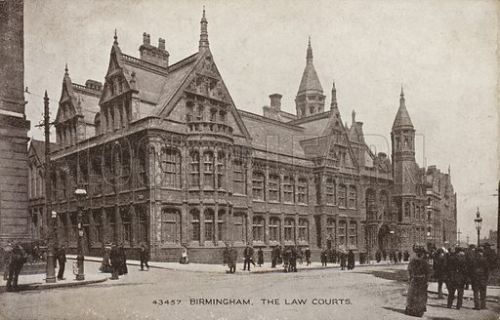
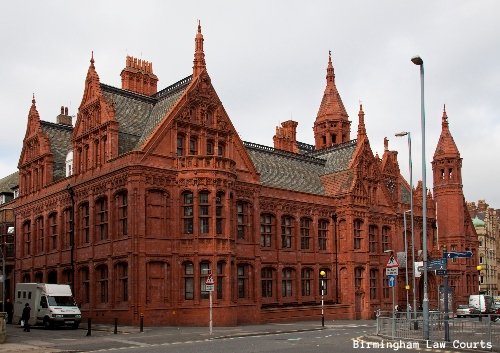
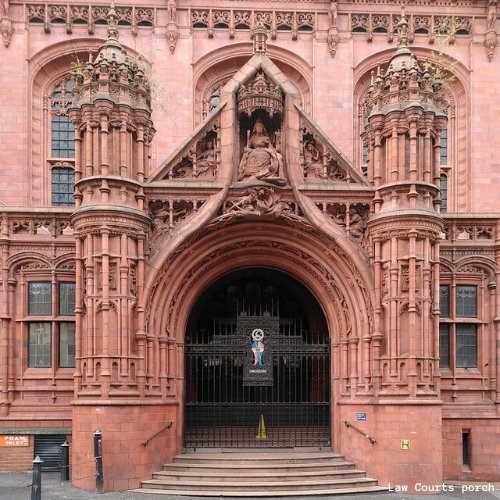
Bowen’s firm was responsible for constructing many of Birmingham’s most iconic buildings, including the magnificent Victoria Law Courts, for which Queen Victoria herself laid the foundation stone in 1887. The Law Courts, costing over £113,000, were considered among the finest in the country upon their completion.
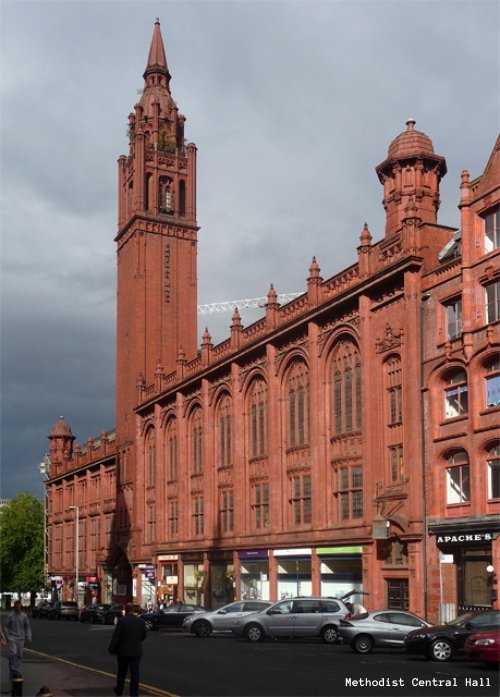
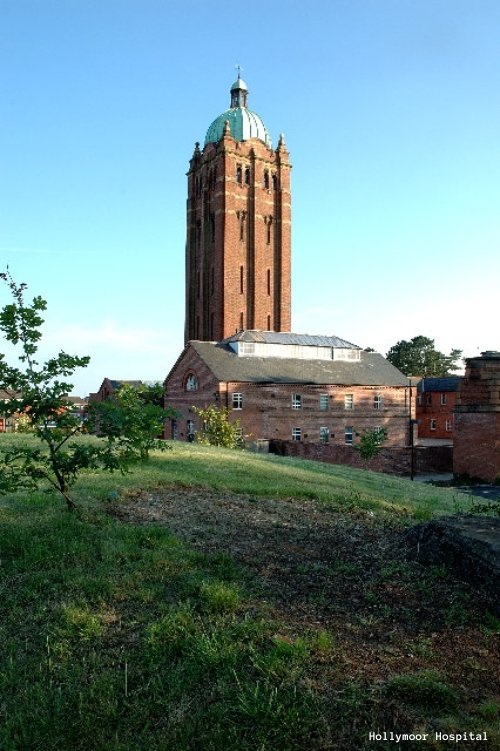
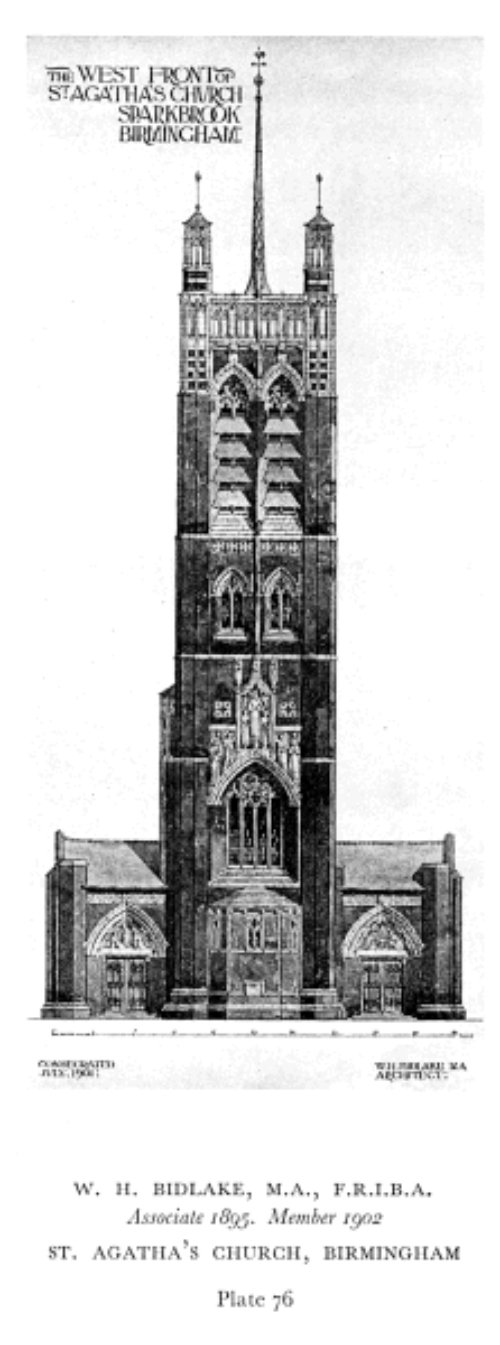
Bowen also played a significant role in the development of Corporation Street, building at least twelve large structures there between 1886 and 1901 as part of Joseph Chamberlain’s ambitious slum clearance programme. His other notable Birmingham projects include the Moseley and Balsall Heath Institute (1882), St Agatha’s Church on Stratford Road (1889), and the Friends’ Institute on Moseley Road (1897). His firm also undertook large contracts outside Birmingham, such as Hollymoor Asylum in Rubery and Netherne Asylum near Croydon.
Public service and leadership
Beyond his extensive building work, John Bowen was deeply committed to public service and charitable causes. He served as President of the Birmingham Master Builders Association in 1884 and President of the National Federation of Building Trade Employers in 1894. He was elected to the Balsall Heath Board of Health in 1880 and became an Alderman for the County of Worcester in 1891. In 1916, he was installed as High Sheriff of Worcestershire, a position he held with pride. He was also a prominent Wesleyan Methodist and a generous supporter of both Methodist and Anglican churches.
Alderman John Bowen died at the age of 81 in 1926 and is buried in Brandwood End Cemetery.