George Elkington was a revolutionary figure in British manufacturing, whose innovations in electroplating transformed the silver industry and established Birmingham as a world leader in metalware production.
From spectacles to silver
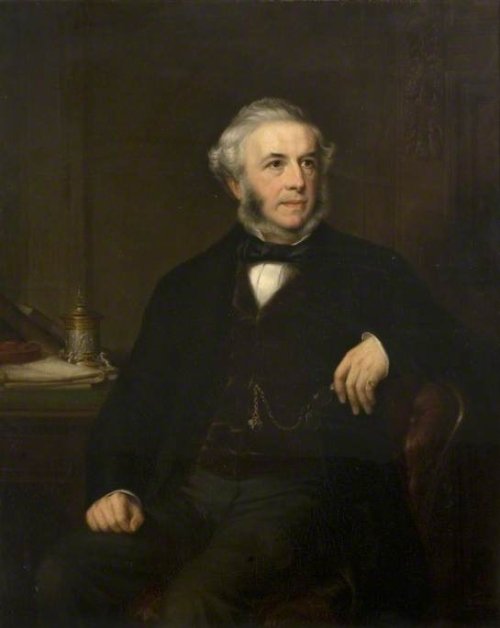
Born in Birmingham on 17th October 1801, the son of a spectacle manufacturer, Elkington was apprenticed to his uncles’ silver plating business in 1815. Upon their deaths, he became the sole proprietor, later taking his cousin, Henry Elkington, into partnership.
The electroplating revolution
The scientific field of electrometallurgy was in its infancy at this time, but the Elkingtons quickly recognised its immense potential. In 1840, John Wright, a Birmingham surgeon, invented a process of electroplating involving potassium cyanide. The Elkingtons promptly purchased and patented Wright’s process, subsequently acquiring rights to other significant improvements.
Affordable, elegant silver-plated goods
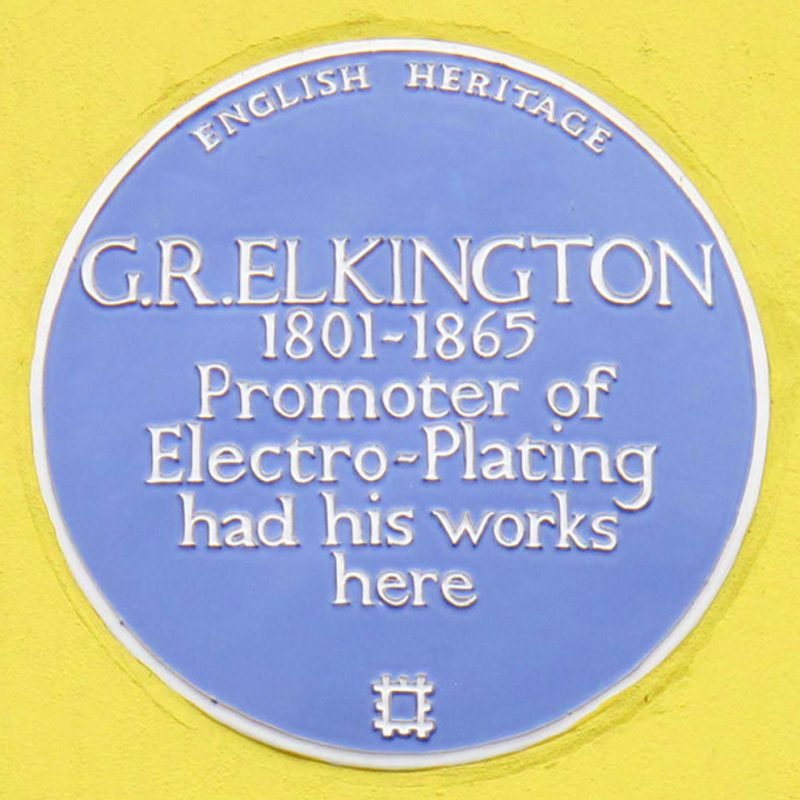
In 1841, the Elkingtons opened a new electroplating works in Newhall Street, in Birmingham’s Jewellery Quarter. The following year, Josiah Mason, a prominent pen manufacturer, joined the firm. Mason encouraged the Elkingtons to diversify their output, moving beyond large, costly electroplated wares to include more affordable jewellery and cutlery. This strategic shift made electroplated ‘silver’ goods accessible to a much wider Victorian market, leading to immense commercial success.
Four sons keep the business in the family
By 1861, the partnership with Mason was dissolved, and the company traded independently as Elkington & Co. George Richards Elkington died on 22nd September 1865, leaving a significant estate. His business was continued by four of his sons: Frederick, James, Alfred, and Howard.
Building an empire in the Jewellery Quarter
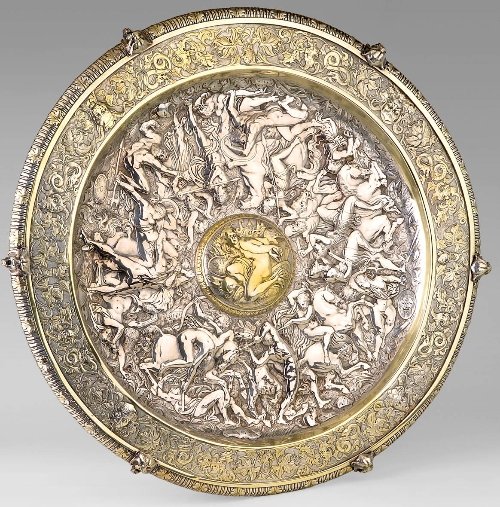
By 1880, the Newhall Street site alone employed 1,000 people, with a further six factories in operation in the city. Elkington & Co. became renowned not only for the affordability of their electroplated items but also for their commitment to high-quality craftsmanship. They employed skilled designers and artists, drawing inspiration from historical styles like Renaissance and Rococo, and even from Japanese art.