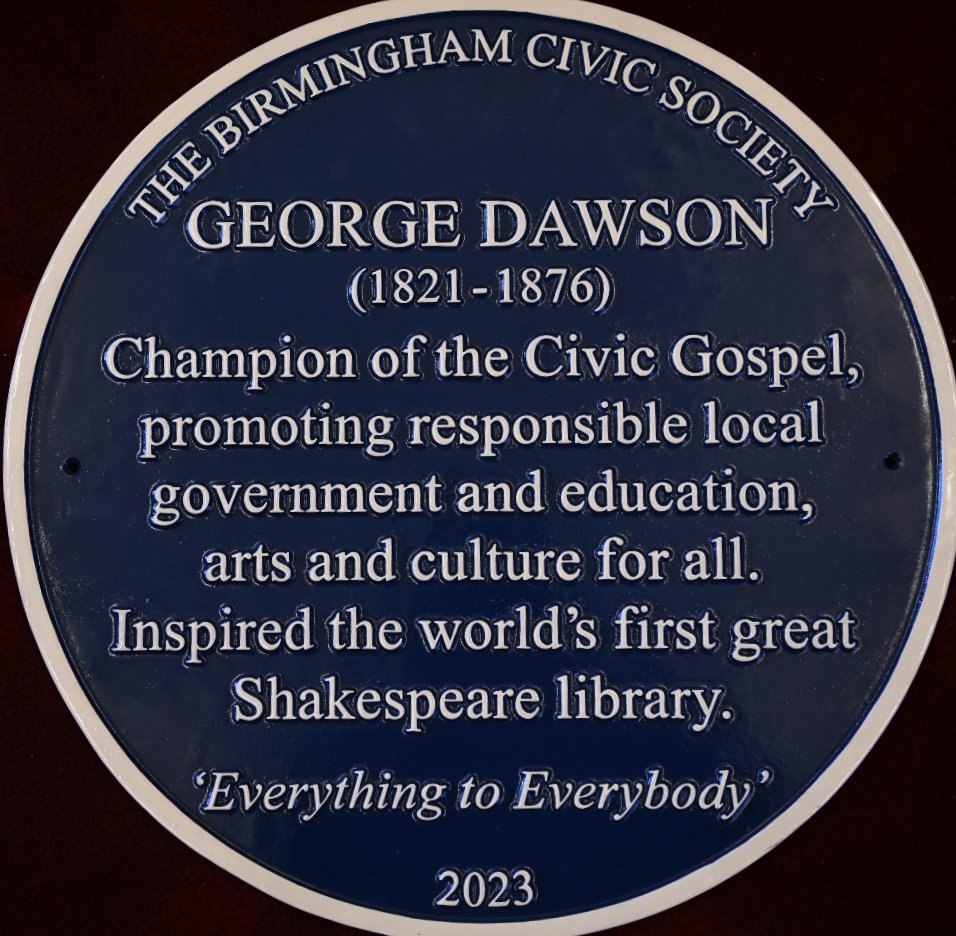
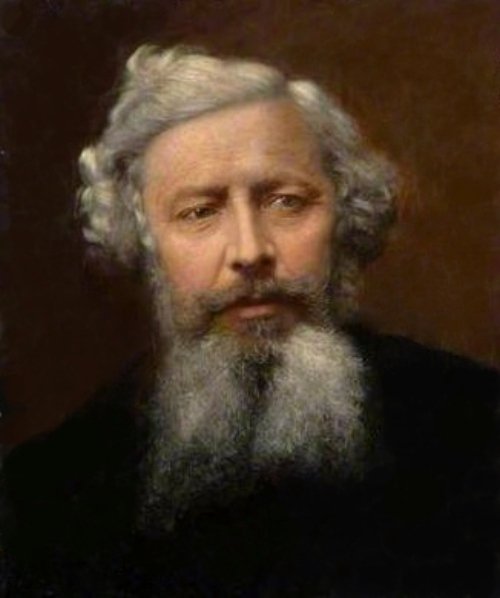
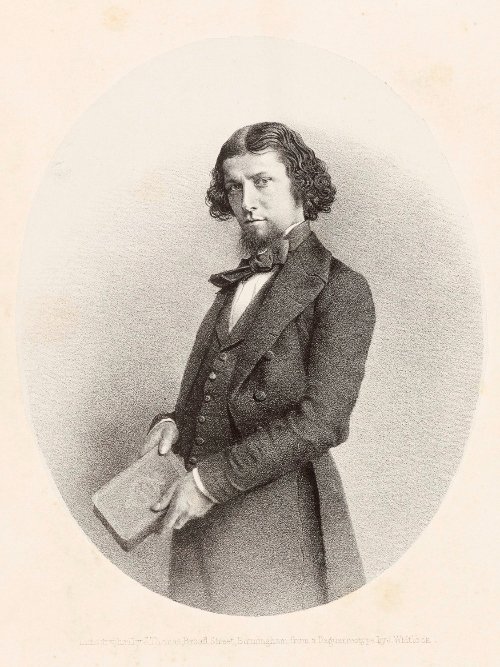
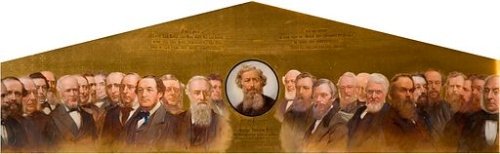
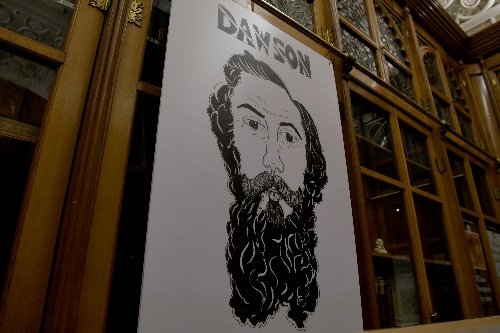
George Dawson was a hugely influential and charismatic English Nonconformist preacher, lecturer, and social reformer who profoundly shaped the intellectual and civic life of Victorian Birmingham.
The rebel who built a movement
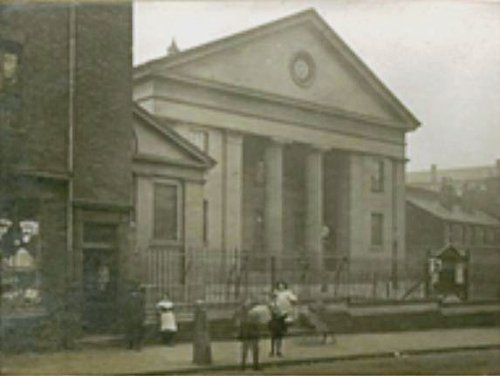
Born in London on 24th February 1821, the son of a Baptist preacher, Dawson was educated at the University of Glasgow. In 1844, Dawson moved to Birmingham to take up the ministry at Mount Zion Chapel. However, his unconventional and liberal theological views, which challenged orthodox doctrines, soon led to disagreements with the more conservative elements of the Baptist church. His progressive ideas resonated strongly with many, and in 1847, he left Mount Zion to establish his own independent church, the Church of the Saviour, on Edward Street in Ladywood. This church, without formal creeds, became a hub for intellectual and spiritual inquiry, attracting a diverse congregation drawn by Dawson’s compelling preaching and his emphasis on practical morality.
The Civic Gospel prophet
Dawson’s influence extended far beyond his pulpit. He was a gifted public speaker, renowned for his engaging lectures on literature, history, and social issues, which drew large audiences across the country. In Birmingham, he was a key figure in what became known as the “Civic Gospel,” a philosophy that urged citizens to apply Christian principles to civic duty and strive for the moral and social improvement of their city. This ethos inspired many of Birmingham’s leading civic reformers, including Joseph Chamberlain and R.W. Dale, with whom he shared a close friendship.
Champion of learning
He was a passionate advocate for free public libraries, believing strongly in universal access to knowledge. He played a crucial role in the establishment of the Birmingham Free Library in 1860 (the predecessor to today’s Library of Birmingham), serving as its first chairman. He also campaigned for free public education and was a vocal supporter of the Birmingham and Midland Institute, promoting adult education. From 1855, he also edited the Birmingham Daily Press, using it as a platform for his reformist ideas.
A city mourns
George Dawson died suddenly at his home in Kings Norton on 30th November 1876. His funeral procession drew immense crowds, a testament to the high regard in which he was held by the people of Birmingham. His legacy is etched into the fabric of the city: a statue of Dawson, sculpted by Thomas Woolner and unveiled in 1879, used to stand in Victoria Square. The statue depicted him in a thoughtful pose, book in hand, symbolising his dedication to knowledge and civic progress. His impact on Birmingham’s intellectual and social development was profound, cementing his place as one of its most important Victorian figures.