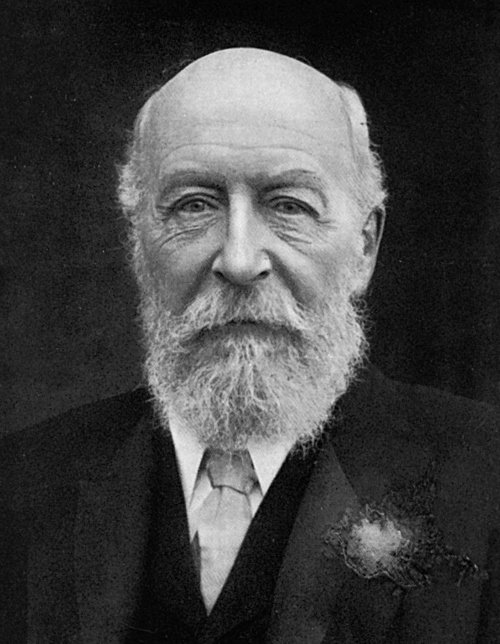
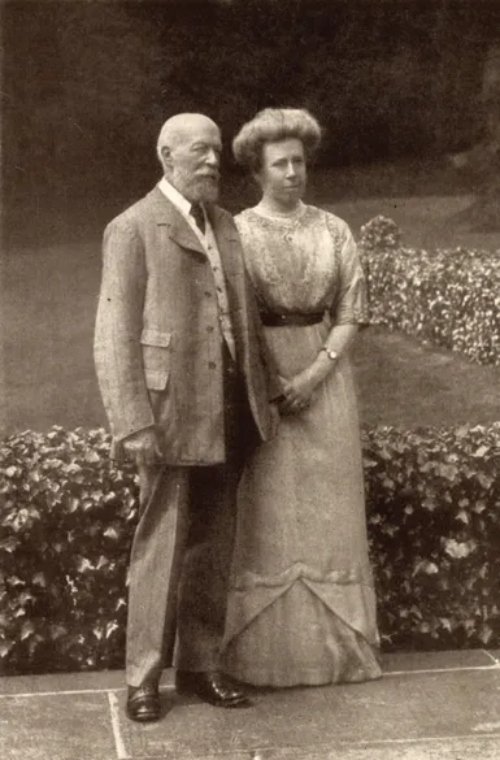
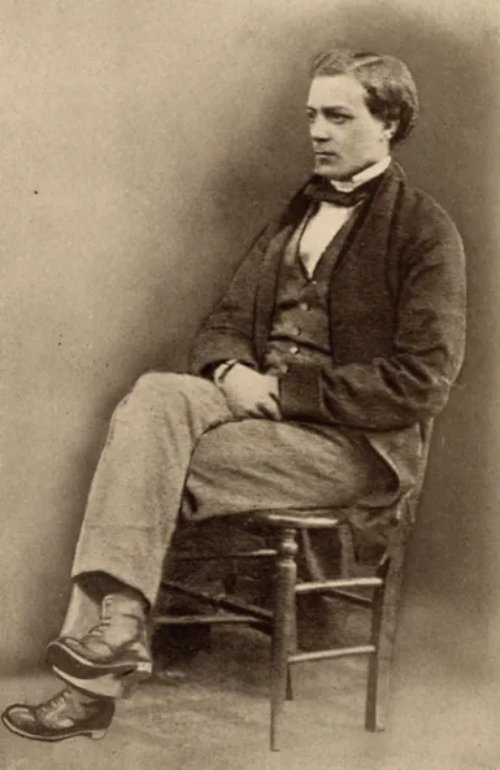
George Cadbury was bornin Edgbaston, the son of John Cadbury, the founder of the Cadbury chocolate company. Raised within a devout Quaker family, George’s upbringing deeply instilled in him the values of social justice, philanthropy, and a commitment to improving the lives of others. This moral compass would later define his extraordinary contributions to Birmingham and beyond.
Taking over the family business
After his father’s retirement due to ill health, George and his elder brother Richard took over the struggling family business in 1861. Through shrewd business acumen and a dedication to quality, they transformed Cadbury Brothers into a highly successful enterprise. However, George was not merely content with commercial success. He was profoundly affected by the grim, overcrowded conditions of Victorian industrial cities like Birmingham, where many of his workers lived in squalor.
The Bournville revolution
This concern for social welfare led to his most enduring legacy: the creation of Bournville. In 1879, he and Richard moved the Cadbury factory from Bridge Street in the city centre to a rural site four miles south, which they named Bournville. George’s vision truly began to unfold in 1893 when he purchased an additional 120 acres of land around the factory. Here, he set out to build a model village where workers and other wage earners could live in healthy, well-built homes with ample gardens and green spaces, far removed from the urban blight. He believed that good housing and a pleasant environment were fundamental to health, happiness, and moral well-being. The Bournville Estate became an internationally recognised benchmark for town planning and progressive social housing.
Social reform champion
Beyond Bournville, George Cadbury’s philanthropic endeavours were extensive. He was a keen advocate for adult education, establishing night schools and continuing to support numerous educational initiatives. He also played a significant role in promoting peace, contributing to the establishment of the Daily News newspaper to provide an alternative, more liberal voice in the media. His Quaker faith deeply influenced his pacifist views and his dedication to social reform.
George Cadbury married twice. His first marriage was to Mary Tylor (1844–1887) in 1872, with whom he had five children. Following Mary’s death, he married Elizabeth Mary Taylor (1858–1951) in 1888, and they had six more children. Elizabeth, herself a remarkable social reformer, worked alongside him and continued his legacy after his death.
George Cadbury passed away on 24th October 1922 at his home, Manor House, in Bournville, at the age of 83.