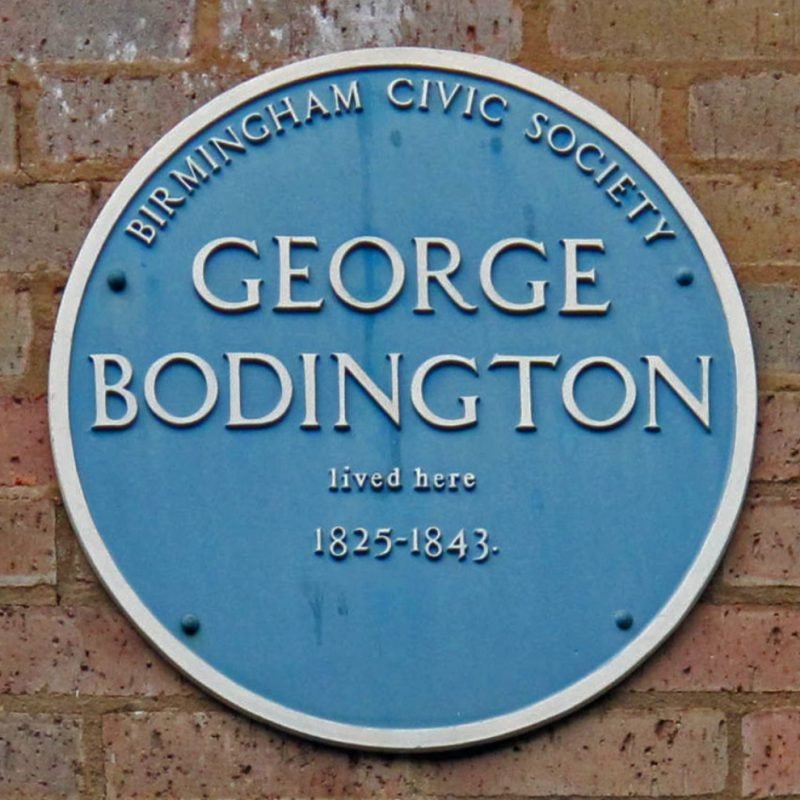
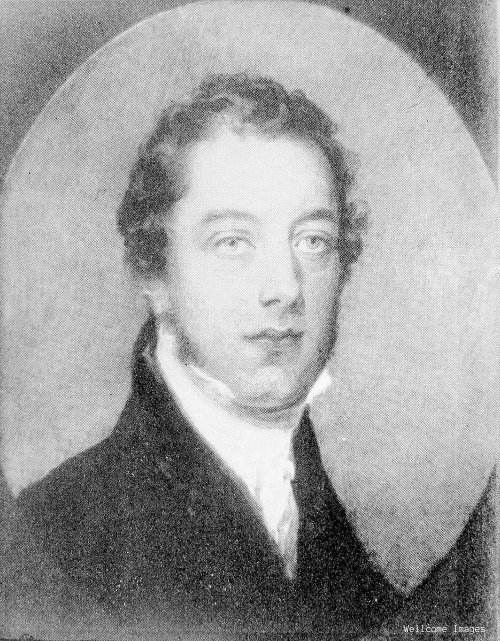
George Bodington was a pioneering English physician and asylum proprietor, whose groundbreaking work on the treatment of tuberculosis and mental illness placed him at the forefront of medical reform.
Revolutionary mental health care
Born in London, Bodington’s early career saw him establish himself as a medical practitioner. In 1827, at the age of 28, Bodington acquired a private asylum named Dr. Fox’s Asylum in Sutton Coldfield, then a rural town just north of Birmingham. Renaming it Dr. Bodington’s Asylum, he embarked on a revolutionary approach to the care of the mentally ill. At a time when common practice involved restraint, harsh treatments, and confinement, Bodington advocated for a humane, non-restraint approach, prioritising fresh air, exercise, meaningful occupation, and a supportive environment for his patients. His methods were remarkably progressive for the era, pre-dating similar reforms often attributed to others.
Tuberculosis breakthrough
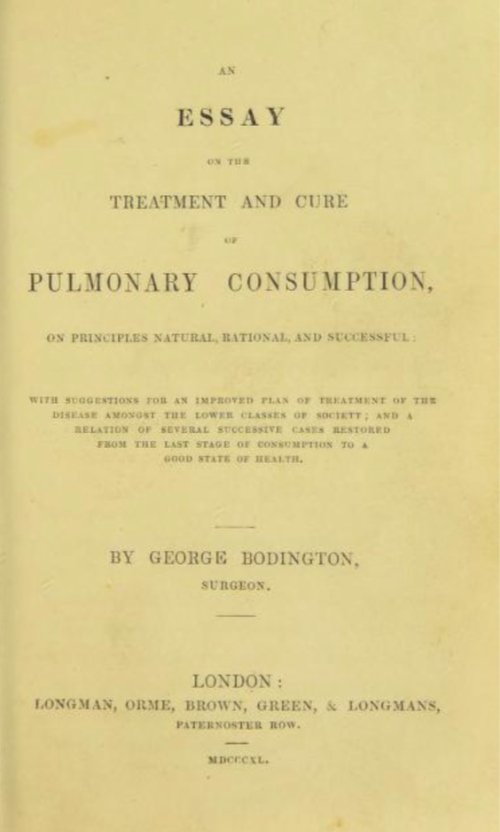
It was also in Sutton Coldfield that Bodington made significant strides in the understanding and treatment of pulmonary tuberculosis. In 1840, he published his seminal work, An Essay on the Treatment and Cure of Pulmonary Consumption, which argued for the importance of fresh air, good diet, and exercise in treating the disease. This was a radical departure from the prevailing belief that fresh air was harmful to consumptive patients, and his ideas, initially met with scepticism, foreshadowed modern sanatorium treatments.
Lasting legacy
In April 1848, Bodington was accepted as a member of Sutton Coldfield’s ancient governing body, The Warden and Society, which he served with great devotion for over 30 years. Local issues with which he was involved included the public rights to use of Sutton Park, the impact of local railways and the building of a new town hall. He was also active in national politics, speaking with conviction and clarity and stood in the General Election in 1859.
Despite initial resistance to his ideas from the medical establishment, Bodington remained steadfast in his convictions. His progressive asylum practices and his insights into tuberculosis showcased a forward-thinking medical mind. While his work on tuberculosis was somewhat overlooked for many years, later medical historians recognised his crucial early contributions. George Bodington died in Sutton Coldfield in 1882