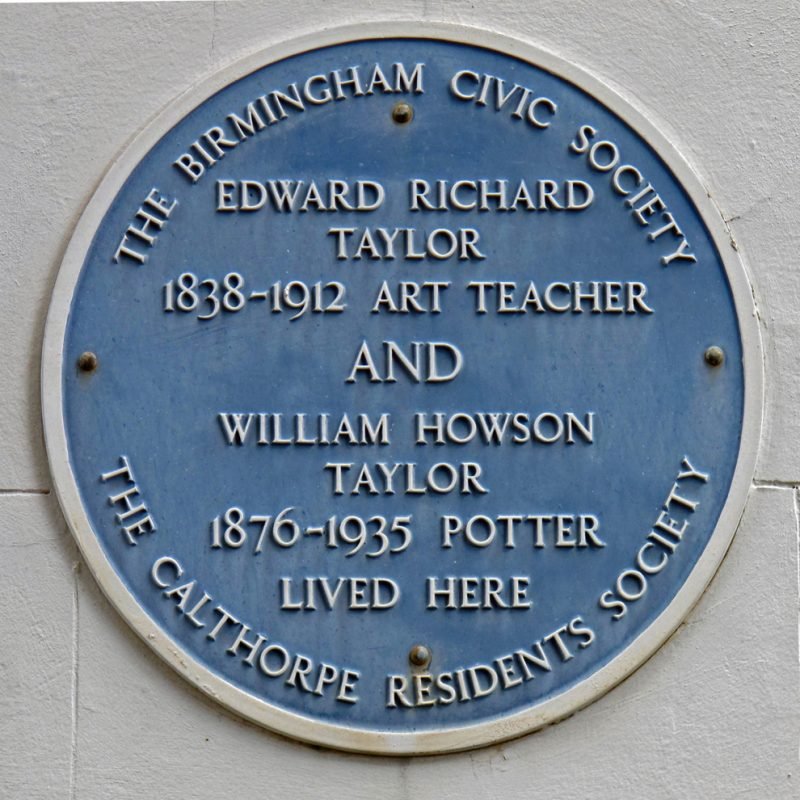
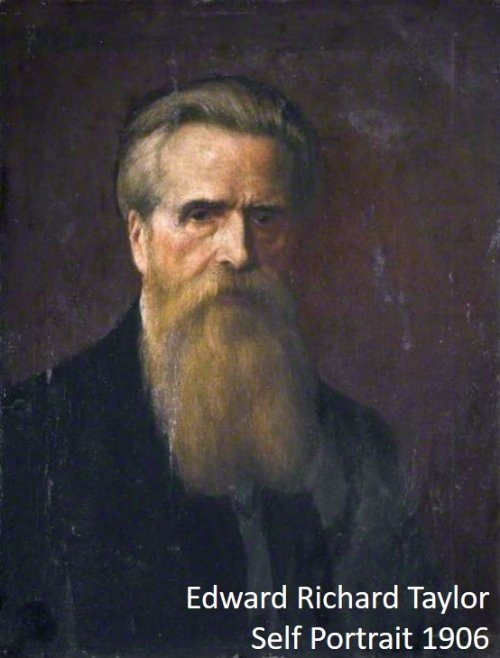
Edward Richard Taylor
The art education pioneer
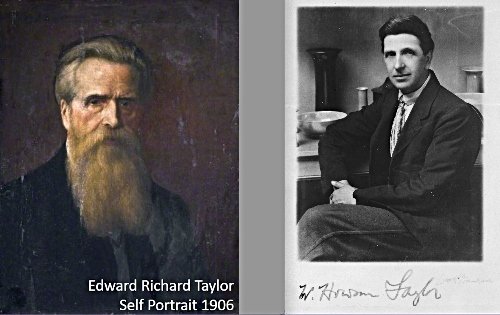
Edward Taylor was an influential English artist and educator born in Skelton, Staffordshire. Taylor’s artistic journey began with studies at Burslem School of Art and later at the National Art Schools in Kensington, London. He developed skills as both a painter and ceramic artist.
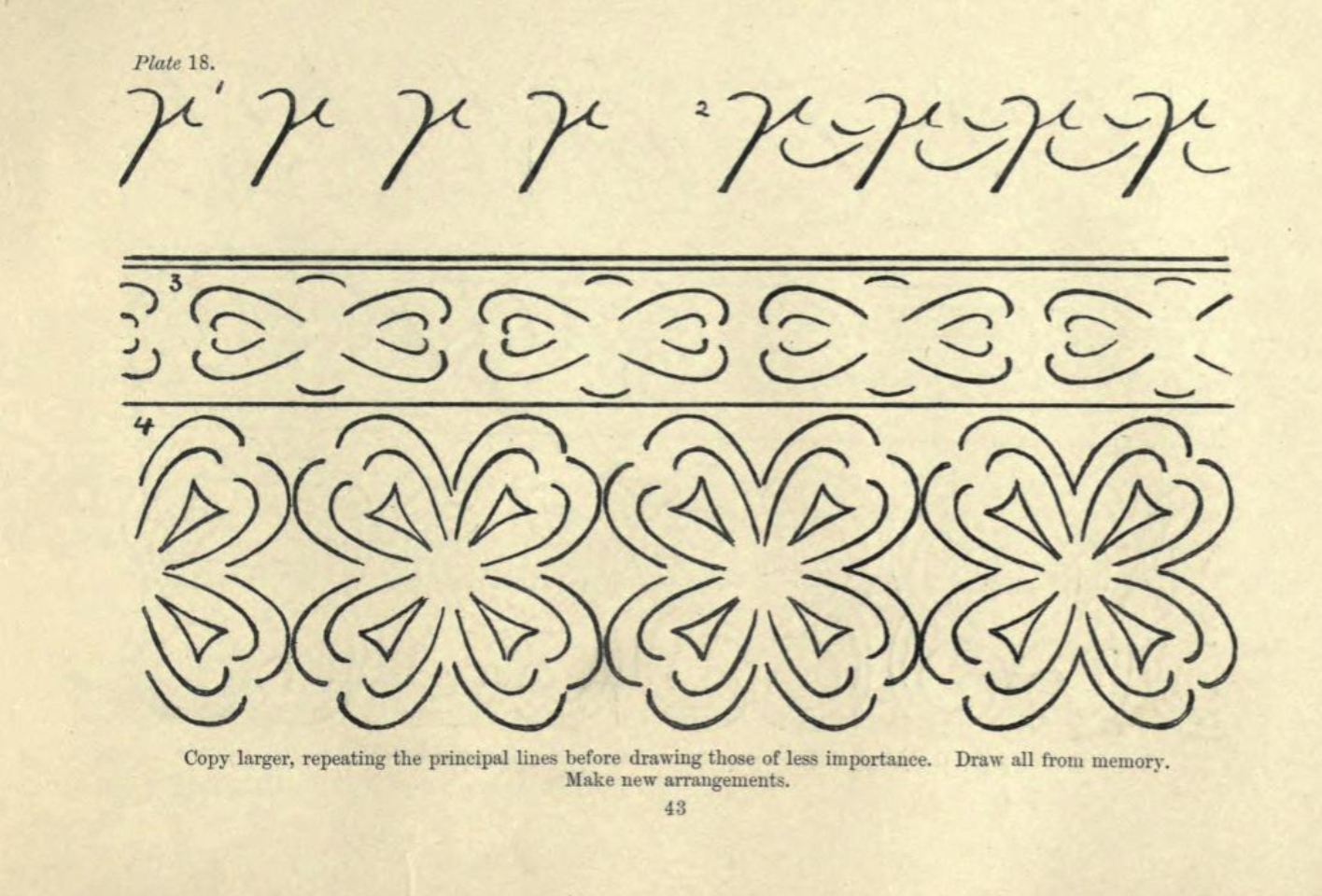
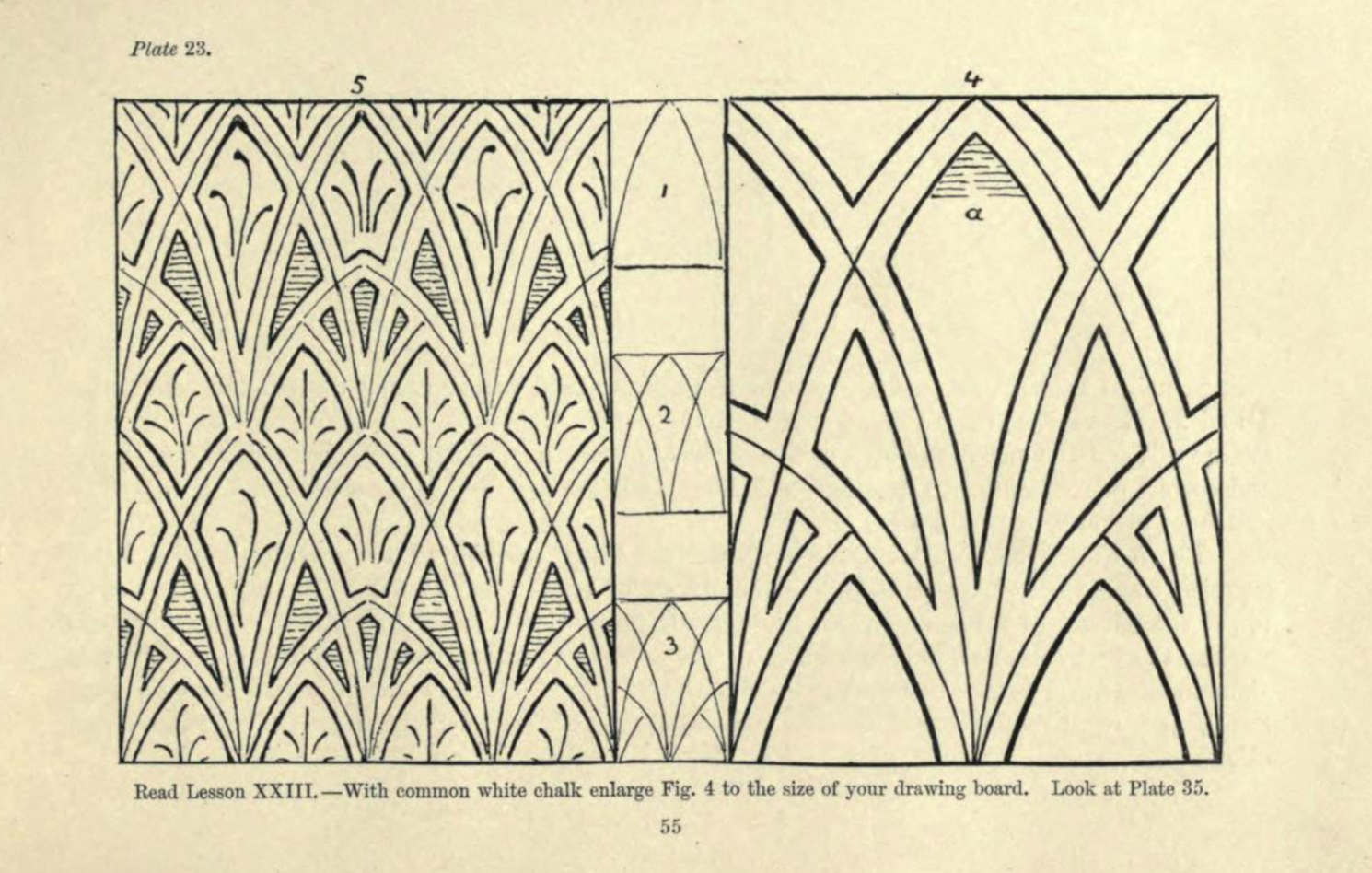
Taylor’s career as an educator began early, as he was appointed Headmaster of Lincoln School of Art in 1862, a position he held until 1877 when he moved to Birmingham, becoming the Head of the Birmingham Municipal School of Art. Taylor encouraged a “hands on”, workshop approach to art and craft education, encompassing metalwork, textiles, wood carving, stained glass et al, which was truly innovative at the time in contrast to the theoretical and drawing based national art and design curriculum. Under his leadership, the school flourished, achieving an unparalleled reputation for excellence. During his 25-year tenure as headmaster, the Birmingham School of Art, the first municipally run and funded art school in Britain, gained more national awards in art competitions than any other institution in Britain, becoming a leading centre for the Arts and Crafts movement.
Creating beauty
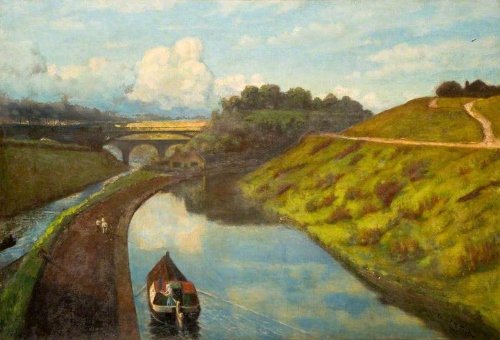
As an artist, Taylor worked in both oils and watercolours, and his paintings often depicted landscapes and architectural subjects. He was a prolific exhibitor, showing his work at prestigious venues such as the Royal Academy in London and the Royal Birmingham Society of Artists, of which he became a member in 1879. Notable works include his depictions of “Galton Bridge” and “Birmingham Reference Library, the Reading Room,” which offer insights into the region’s industrial and intellectual life.
Ruskin pottery
Beyond his educational and painting pursuits, Taylor founded the Ruskin Pottery in Smethwick in 1898. This venture, named in tribute to his idol John Ruskin, became renowned for its innovative and experimental glazes. After his death, the pottery was taken over by his son, William Howson Taylor, continuing his legacy in ceramic arts.
Edward Richard Taylor retired from teaching in 1904 and lived for many years in Edgbaston, Birmingham. He passed away in 1912.
William Howson Taylor
The glaze master
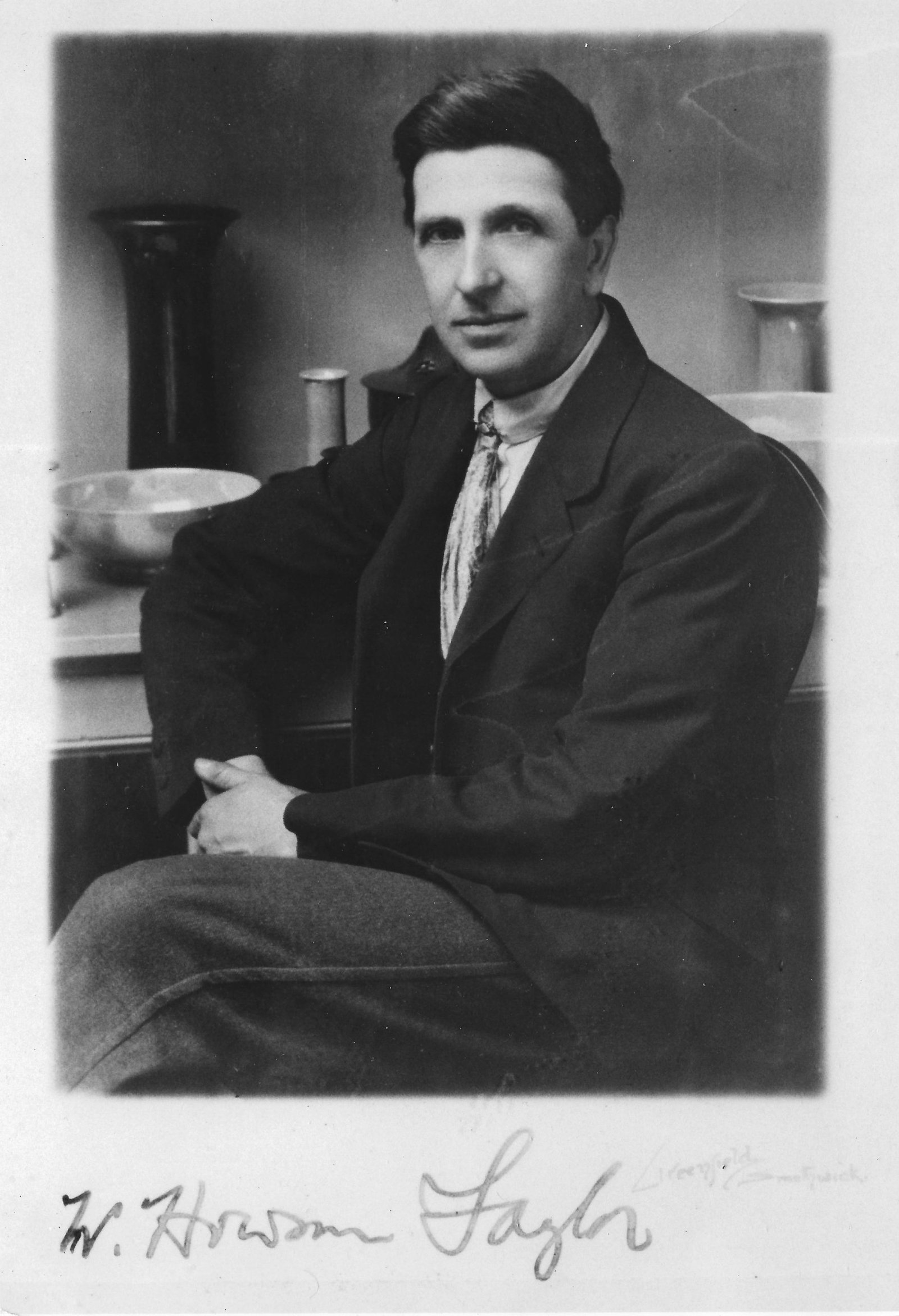
William Taylor, son of Edward Taylor, was a highly skilled English potter, designer, and business owner, famed for his innovative glazes and his integral role in the Arts and Crafts movement through the Ruskin Pottery in Smethwick.
Born in Lincoln, William Howson Taylor trained at the Birmingham Municipal School of Art, where his father was the principal. William took over the running of Ruskin Pottery, dedicating himself to the experimental development of ceramic glazes.
World recognition
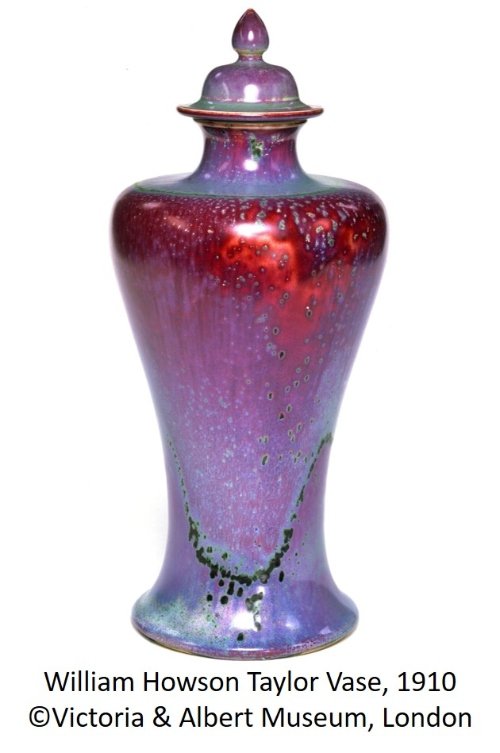
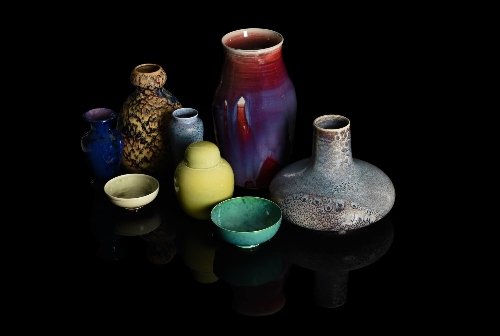
Under William’s direction, Ruskin Pottery gained international acclaim for its unique and vibrant glazes, many of which were inspired by oriental ceramics, particularly those of the Sung and Ming dynasties. The pottery produced a wide range of items, including vases, bowls, buttons, and jewellery, often with simple forms that allowed the glazes to be the central focus. Ruskin Pottery won numerous awards at international exhibitions, including a “grand prize” at the St Louis International Exhibition in 1904, which boosted its export business, particularly to the USA.
Birmingham arts legacy
William Howson Taylor was known for his dedication to his craft and his workers. He supervised all aspects of production, ensuring high standards were maintained. He reportedly kept his unique glaze recipes a closely guarded secret, even destroying his notes and formulae shortly before his death. The Ruskin Pottery ceased production in 1933, with some remaining stock being fired until its final closure in 1935. William Howson Taylor passed away in Ashprington, Devon, in September 1935.