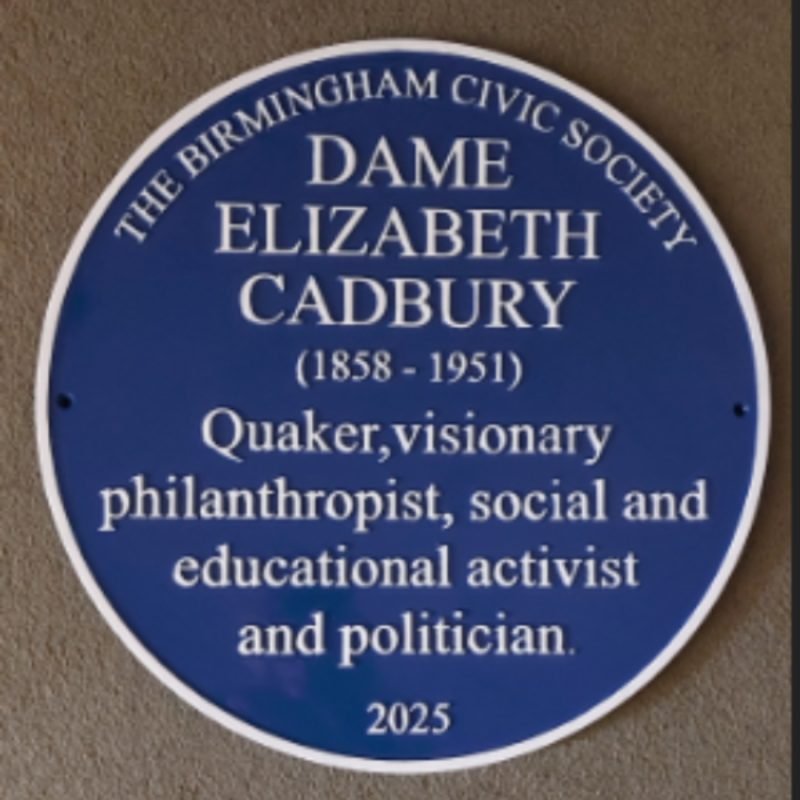
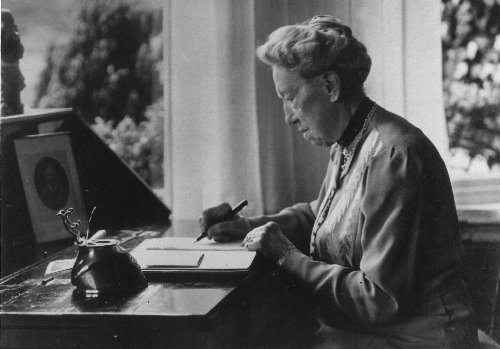
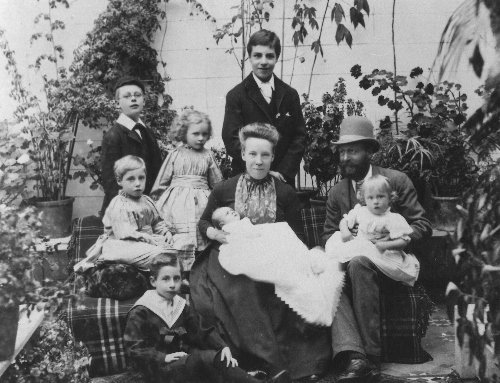
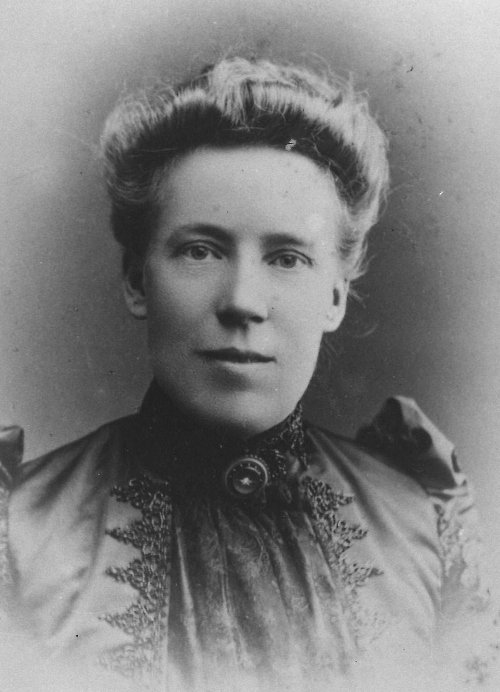
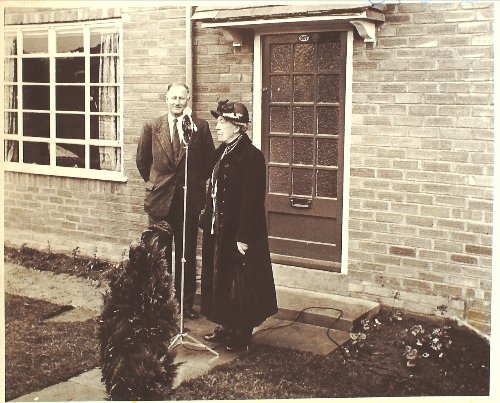
Wife of chocolate pioneer George Cadbury, Dame Elizabeth Cadbury was a phenomenal social reformer and philanthropist in her own right. For over 60 years, she devoted her life to improving the welfare of women and children across Birmingham and internationally.
Champion of Bournville
Born Elizabeth Mary Taylor in Peckham Rye, London, Dame Elizabeth Cadbury was steeped in the values of social service from an early age. Her parents were devout Quakers and philanthropists, and young Elizabeth was soon accompanying her mother on visits to workhouses, cementing a lifelong commitment to improving the lives of the less fortunate. She was educated in Germany and then at the North London Collegiate School, before dedicating herself to social work in London’s impoverished districts.
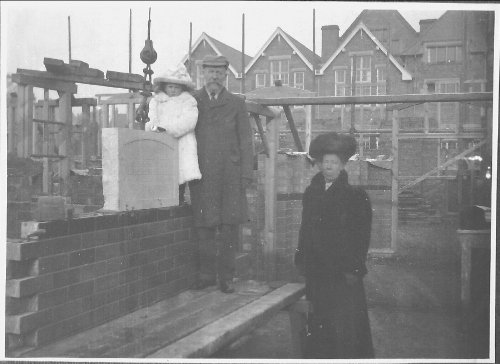
Elizabeth Cadbury was a key figure in realising the vision of Bournville, the model village created for the Cadbury factory workers. From 1888, she actively supported the development of the village, contributing to the planning and ensuring the focus remained on community well-being, health, and education. After her husband’s death in 1922, she became the Chairman of the Bournville Village Trust, a position she held for nearly 30 years, overseeing the continued growth of the garden suburb.
Education and Public Service
Dame Elizabeth was an absolute powerhouse in education and welfare. She founded the Birmingham Union of Girls’ Clubs in 1898 to offer working-class girls opportunities for learning and healthy recreation, and she was a passionate advocate for women’s suffrage and international peace, chairing the International Council of Women’s Peace and Arbitration Committee from 1914. Locally, she was instrumental in establishing medical checks in schools, becoming the Chairman of the Birmingham City Education Committee’s Hygiene Sub-Committee in 1911. Her commitment to health included opening The Beeches in Bournville, a holiday home that offered children from poorer city areas the chance to experience a healthier environment. Her civic service was recognised when she was elected a Birmingham City Councillor for Kings Norton in 1919.
International Peace
Her philanthropic work extended far beyond the city, earning her several international honours. During the First World War, she was appointed Convenor of the Peace and Arbitration Committee of the International Council of Women, campaigning for peaceful international relations. Following the First World War, she led local efforts in Birmingham to provide housing and schooling for young refugees who had fled conflict in Serbia and Austria.
Elizabeth Cadbury’s dedication to service was formally recognised when she was awarded an OBE in 1918 and the highest honour of Dame Commander of the British Empire (DBE) in 1934. She remains one of Birmingham’s most significant figures in social reform.