
Are we providing enough civic realm and civic space in Birmingham?
 Chilufya Dawo
BCS Debate explores the future of a family‑friendly, people‑centred city
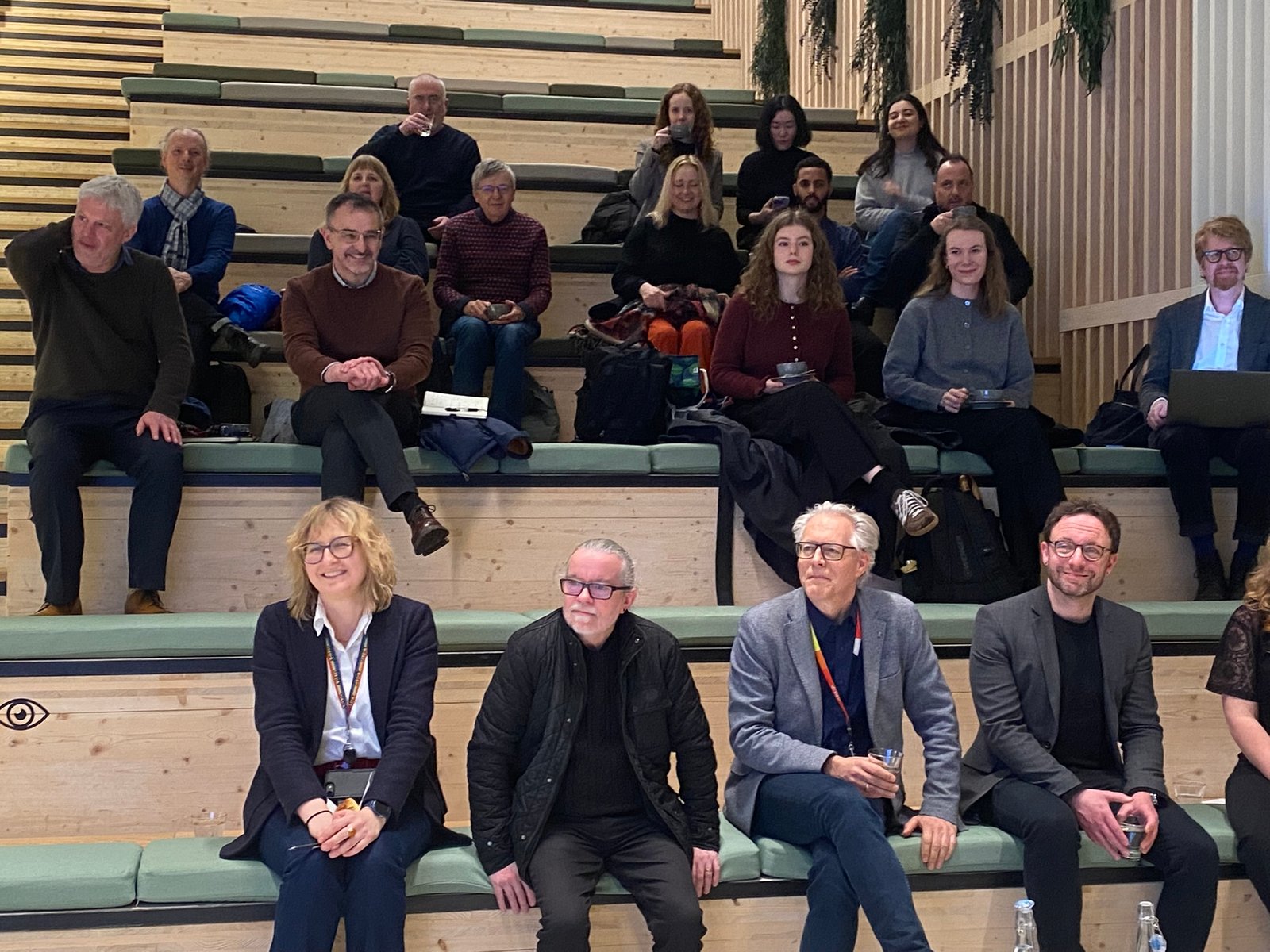
The Birmingham Civic Society brought together planners, designers, developers and city‑shapers for a timely debate on one of the most pressing questions facing our growing city: Are we providing enough civic realm and civic space in Birmingham?
Hosted in the community space at ARUP’s Birmingham offices on 12 February, the event was sparked by concerns raised within the Planning Committee that too many new developments—both completed and in progress—are failing to deliver the essential ingredients of a thriving urban environment. Open spaces, schools, medical centres, community amenities and places for families to gather are not consistently embedded into the city’s growth.
The Society is championing a renewed philosophy for Birmingham: a better city life built through stronger, more intentional civic realm.
A debate rooted in Birmingham’s future
The discussion centred on a powerful idea:
Birmingham must be a city not only for professionals and entertainment, but a place where families can live, grow and stay.
Speakers explored how the lack of accessible green space, community infrastructure and family‑friendly amenities is shaping the city’s demographic. Too often, young families feel compelled to move to the suburbs to access the quality of life they need. The panel challenged this trajectory, arguing that a vibrant civic realm is essential to attracting visitors, retaining talent and encouraging the next generation to build their lives in the city centre.
Our keynote speakers
The debate brought together five leading voices in architecture, planning, design and development:
- Adam McPartland, Managing Director, Glancy Nicholls Architects
- Edgar Kiviet, Associate Director, Cities Planning & Design, Masterplanning Service Lead, ARUP
- Ralph Minott, Masterplanning & Development Director, Calthorpe Estates
- Claire Hunt, Birmingham Regional Director, oobe
- Simon Delahunty‑Forrest, Director of Planning & Development, Birmingham City Council
Each speaker offered a distinct perspective—ranging from European best practice and the evolution of architectural design in Birmingham, to the role of landscaping in driving investment and creating community identity. Examples from across the continent illustrated how cities that prioritise civic space reap long‑term social and economic benefits.
What happens next
The Birmingham Civic Society will now work with presenters and attendees to develop a guidance document for Birmingham City Council planners and developers. This resource will articulate why civic space matters—and how it can be embedded into future development to create a more welcoming, inclusive and vibrant city.