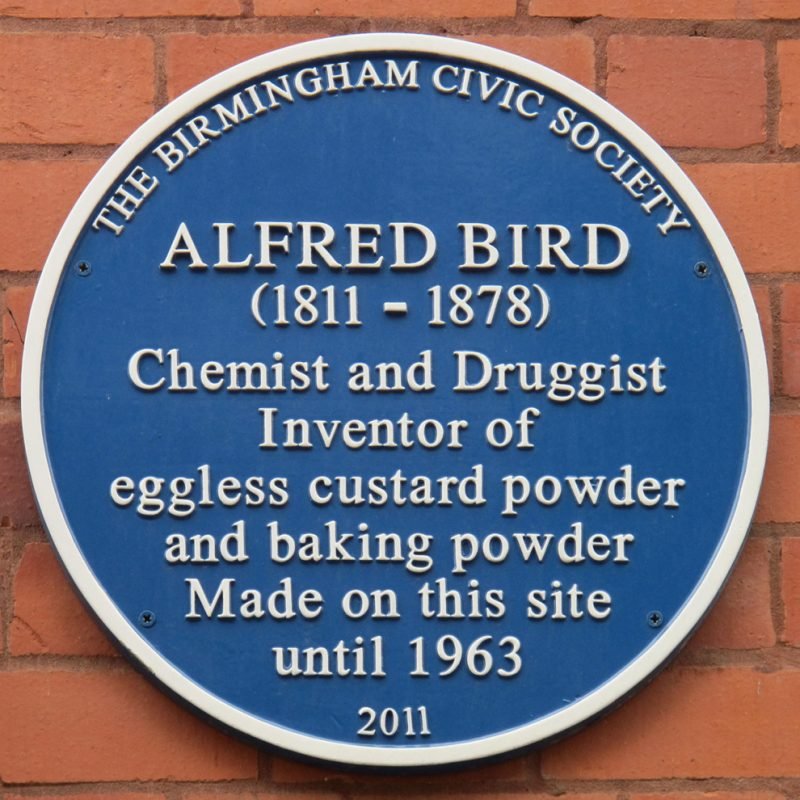
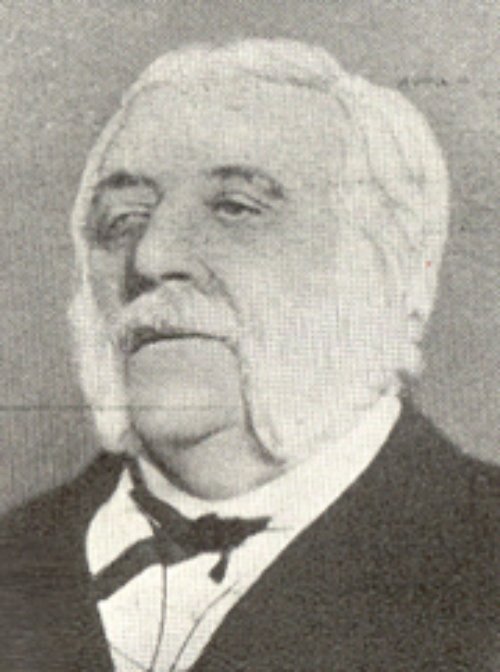
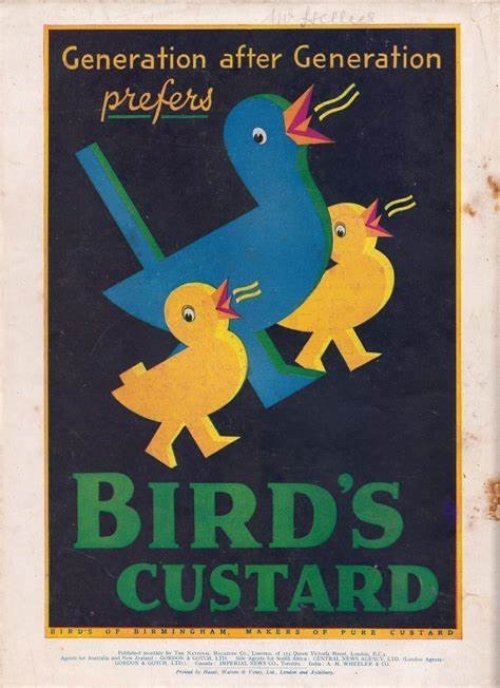
Alfred Bird was a remarkable English chemist and food manufacturer whose inventive spirit brought revolutionary changes to the British kitchen, particularly through his creation of egg-free custard.
Love sparked innovation
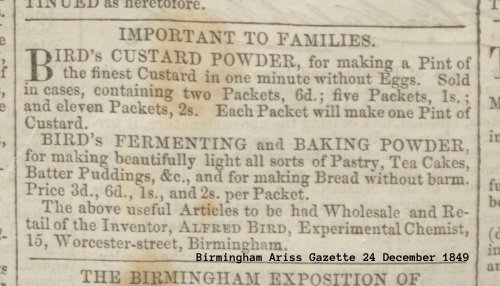
Born in Nympsfield, Gloucestershire, in 1811, Bird’s early education included attending King Edward’s School in Birmingham, the city where he would later establish his influential business. Bird registered as a pharmacist in Birmingham in 1842, having completed an apprenticeship with Philip Harris, a local chemist. He then opened his own experimental chemist’s shop in Bull Street. It was here, driven by a deeply personal motivation, that his most famous invention came to be. His wife, Elizabeth, suffered from severe allergies to both eggs and yeast. To ensure she could enjoy desserts and bread, Alfred Bird embarked on a series of experiments.
An accidental empire
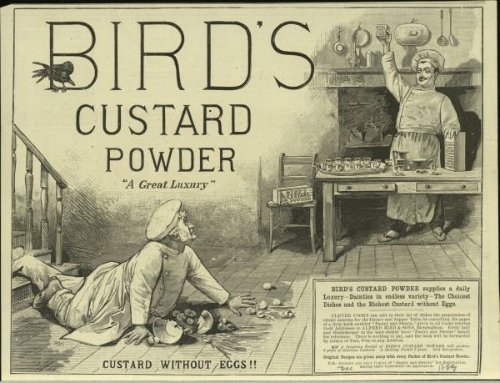
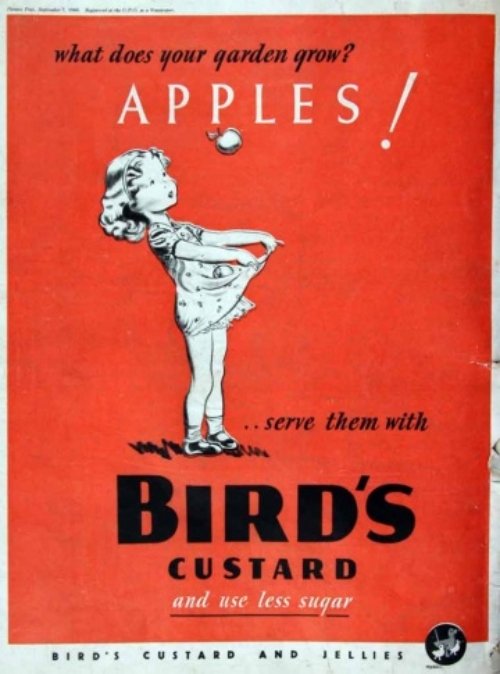
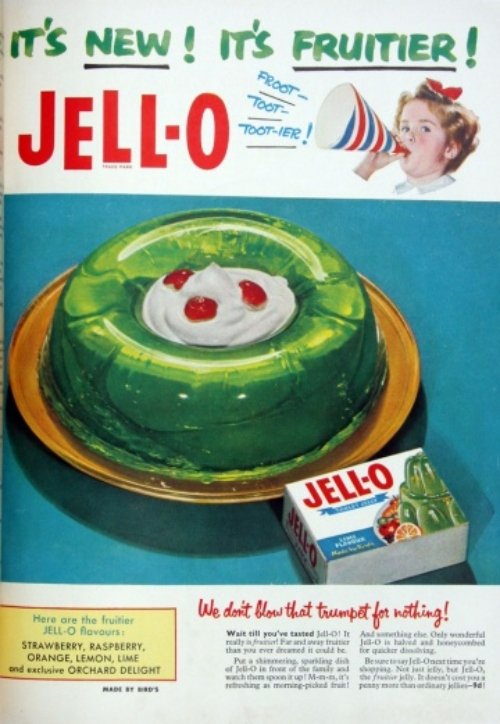
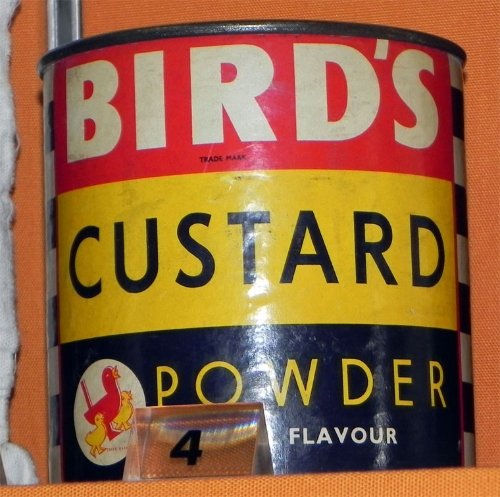
In 1837, he developed an egg-free custard, using cornflour as a thickening agent. The story goes that this innovative custard was “accidentally” served to dinner guests, who were so impressed that Bird realised its wider potential. This led him to establish ‘Alfred Bird and Sons Ltd,’ which would go on to become the globally recognised Bird’s Custard brand. Not content with just custard, he also invented baking powder in 1843, enabling his wife to enjoy yeast-free bread. His innovations proved incredibly successful, with his baking powder even being supplied to British troops during the Crimean War. The business grew and introduced more products including egg substitute in 1890, jelly crystals in 1895 and tablet jellies a few years later.
Beyond the kitchen
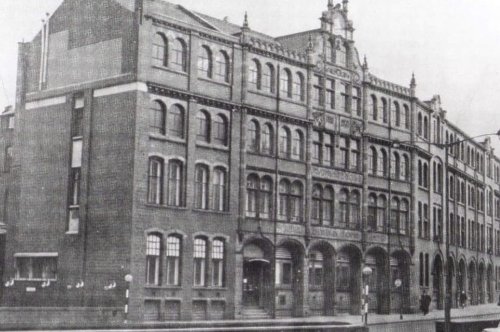
Beyond his commercial successes, Alfred Bird was a man of diverse scientific interests. He was a fellow of the Chemical Society and conducted investigations in physics and meteorology, even constructing a water barometer. He was known for his originality and inventiveness in various fields, though his culinary breakthroughs were arguably his most impactful. Alfred Bird died in Kings Norton and is buried in Key Hill Cemetery. His son, Alfred Frederick Bird, continued and significantly expanded the family business, building the iconic ‘Custard Factory’ in Digbeth, Birmingham, in 1906. In the 1960s production moved out of the city but the Custard Factory remains a vibrant arts and media hub, a lasting physical reminder of Alfred Bird’s ingenuity and his enduring contribution to British households.