Sarehole Mill on the River Cole in Hall Green, is a picturesque and historically significant water mill that offers a fascinating glimpse into the region’s industrial and literary past. It is perhaps best known for its deep connection to the childhood of J.R.R. Tolkien, the author of The Hobbit and The Lord of the Rings.
Five centuries of grinding history
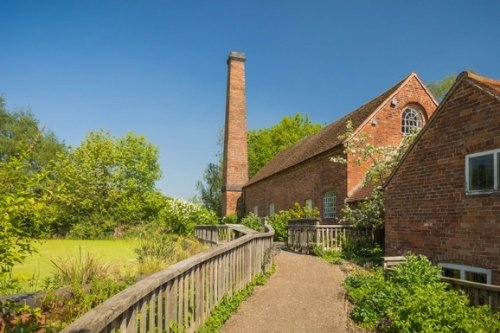
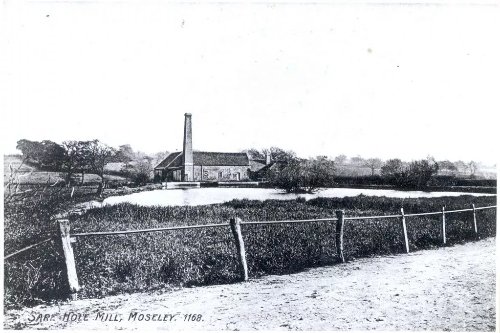
The mill’s history stretches back to the mid-16th century, with records indicating a mill on this site as early as 1542. The present building, however, dates primarily from the 1760s and later when a steam engine was installed and the chimney that creates the distinctive silhouette of the building was erected in the 1850s. It was constructed to serve the needs of local agriculture and industry. Originally, it functioned as a corn mill, grinding flour for the surrounding communities. Its importance grew during the Industrial Revolution, as it was adapted to various uses beyond just grinding corn, including use by Matthew Boulton in the late 1750s, as a “flatting mill” to produce sheet metal for buttons. .
The Tolkien connection
A pivotal chapter in Sarehole Mill’s history is its profound influence on J.R.R. Tolkien (1892-1973). From 1896 to 1900, a young Tolkien lived nearby at Gracewell, just a short walk from the mill. The tranquil, rural surroundings of Sarehole, with its working mill, miller, and surrounding countryside, deeply captivated the imaginative boy. He would often play by the millpond and explore the nearby Sarehole Bog (now Moseley Bog), drawing inspiration from the idyllic landscape. These childhood experiences are widely believed to have been a significant influence on his creation of the Shire, the peaceful homeland of the hobbits in his Middle-earth sagas. The mill itself is often cited as a direct inspiration for the “Great Mill” in Hobbiton.
Decline and rescue
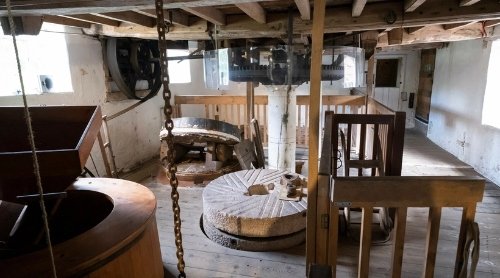
By the early 20th century, as industrial milling centralised and steam power became dominant, Sarehole Mill’s commercial viability declined. It ceased operation as a working mill in 1919 and after its closure fell into disrepair. Recognising its historical importance and its unique connection to Tolkien, a campaign to restore the mill was launched. This was a significant restoration project, with the aim of preserving the mill and making it accessible to the public. The restoration involved repairing the mill machinery and the water wheel, bringing it back to working order.
Sarehole Mill reopened as a museum in 1969, managed by Birmingham Museums Trust. Further restoration has included draining the millpond, repairs to the roof and chimney and restoring the waterwheel to be able to produce flour again. Today, it stands as a living museum, demonstrating how a water mill operates, with regular milling demonstrations. It also features exhibits on its history, the local environment, and its celebrated link to J.R.R. Tolkien.