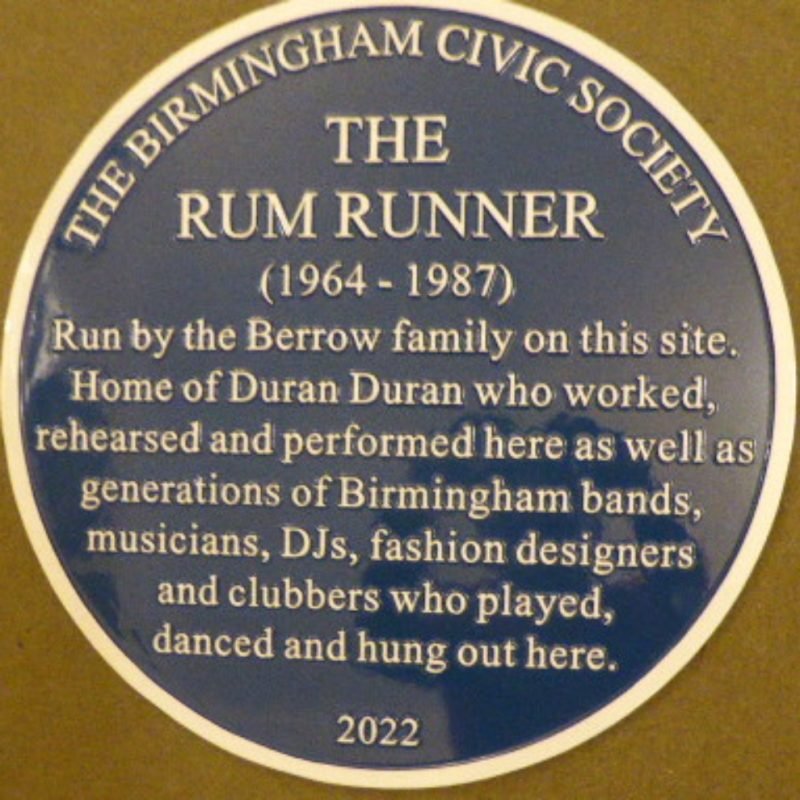
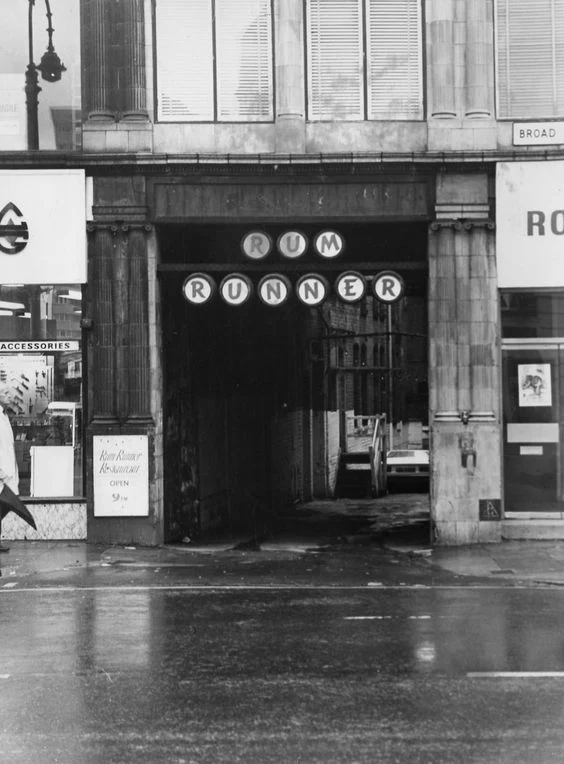
The Rum Runner, a legendary nightclub on Broad Street, holds an iconic place in Birmingham’s music history, particularly for its pivotal role in the New Romantic movement and as the launchpad for the global sensation, Duran Duran.
From casino to cultural revolution
The club opened its doors in 1964, established by the Berrow family and Tony Hurley, and for much of the 1960s and early 1970s, it operated as a conventional nightclub and casino. It developed a reputation as a late-night haunt where bands could hang out after their gigs. In the early 1970s, the house band was Magnum, a melodic pomp rock group that would achieve chart success in the 1980s. Other notable Birmingham bands like Black Sabbath and Roy Wood were known to frequent the venue.
The Studio 54 inspiration
The Rum Runner’s transformation into a true cultural epicentre began in the late 1970s. Inspired by a visit to the legendary Studio 54 in New York, brothers Paul and Michael Berrow, sons of the original founder, took over management and remodelled the club. They introduced a fresh music policy, moving towards progressive DJs who mixed a blend of Roxy Music, David Bowie, and jazz funk, creating an atmosphere of glamour, decadence, and an “anything goes” attitude.
The Duran Duran factory
This revamped Rum Runner became the spiritual home of the burgeoning New Romantic scene in Birmingham. In 1978 the then-unknown band Duran Duran walked in with a demo tape – the Berrow brothers were impressed and offered them not only free rehearsal space but also jobs within the club: Nick Rhodes became a DJ, John Taylor worked the door as a bouncer, Roger Taylor collected glasses, and Andy Taylor cooked. This immersion in the club’s vibrant atmosphere and access to free rehearsal space was instrumental in the band’s early development. Duran Duran quickly became the resident band, and the Berrow brothers eventually became their managers, forming the Tritec Music company (named after the club’s triangular bar) with the band, using the Rum Runner’s upstairs office as their address. The video for their debut single, “Planet Earth,” featured footage filmed inside the club.
The Rum Runner’s impact extended beyond Duran Duran. The club famously offered free rehearsal space to other up-and-coming Birmingham bands of the era, including Dexys Midnight Runners and UB40. The iconic music video for The Beat’s hit single “Mirror in the Bathroom” was filmed within its distinctive mirrored walls. Other artists and creative figures associated with the club included Boy George, Steve Strange, Midg Ure, Marc Almond, and fashion designers Kahn & Bell, all contributing to its flamboyant and inclusive atmosphere.
The end of an era
Sadly, the Rum Runner’s era came to an end in 1987 when the club was demolished to make way for the construction of the Hyatt Hotel on Broad Street. Despite its physical absence, the Rum Runner’s legacy as a melting pot of musical talent, fashion, and cultural innovation remains deeply etched into Birmingham’s history.