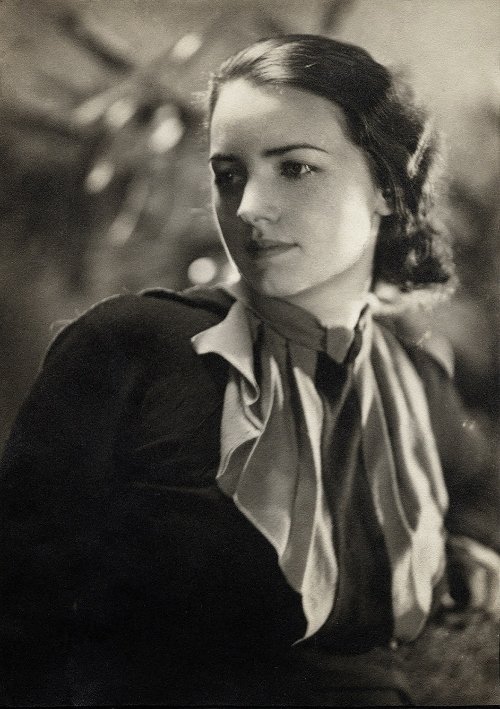
Emmy Bridgwater was a significant, though often overlooked, British surrealist artist, whose work is increasingly recognised for its unique contribution to the movement.
Birmingham beginnings
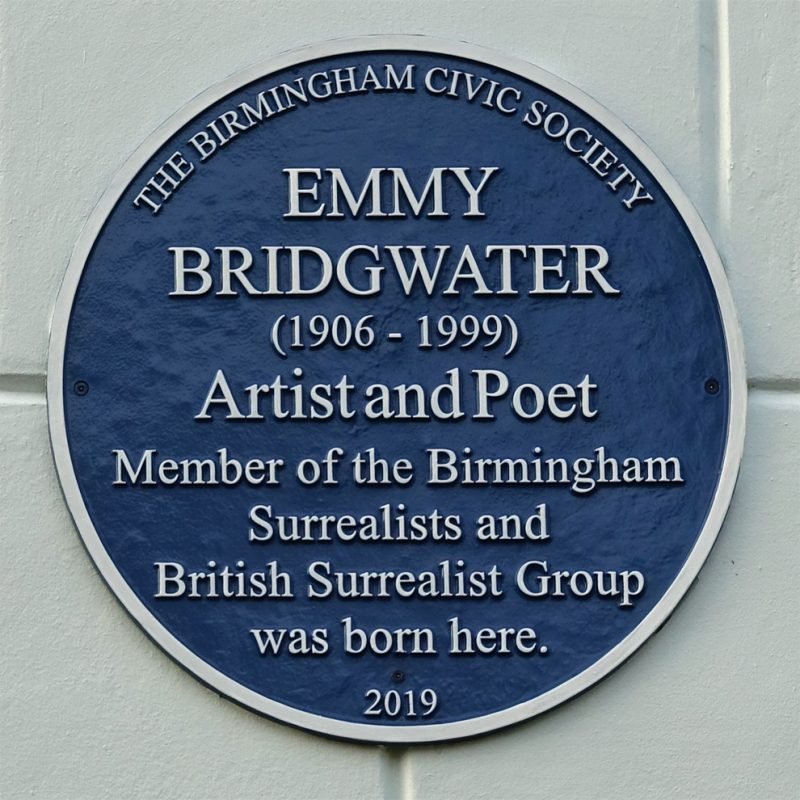
Born in Birmingham in 1906, Bridgwater’s early life in the Midlands city undoubtedly provided a backdrop to her later artistic expressions. Bridgwater studied at the Birmingham School of Art from 1922 to 1927, where she developed a foundation in traditional artistic techniques. From here she went on to study at art school in Oxford, paying for her education by working as a secretary. However, it was her encounter with Surrealism that truly ignited her artistic path. She was drawn to the movement’s emphasis on the subconscious, dreams, and automatism, finding in it a powerful means of expression.
Breaking into the surrealist elite
By the late 1930s, Bridgwater had become an active member of the British Surrealist Group. She exhibited her work in major surrealist exhibitions, including the International Surrealist Exhibition in London in 1936, and played a crucial role in maintaining the group’s activities during the challenging years of the Second World War. Her art, which often featured unsettling dreamscapes, distorted figures, and symbolic animals, was deeply personal and explored themes of identity, transformation, and the hidden aspects of the psyche. She worked across various media, including painting, drawing, collage, and automatic drawing.
Bridgwater was one of the few women to be centrally involved in the British Surrealist movement and was particularly admired by the movement’s founder, André Breton, who included her work in his important 1947 exhibition in Paris. Her art stood out for its distinctive style and its profound psychological depth.
Quiet years and rediscovery
Despite her significant contributions, Bridgwater largely withdrew from the art world in the 1950s due to personal circumstances. However, in later life, there was a resurgence of interest in her work, and she gained renewed recognition as a vital figure in British Surrealism. Emmy Bridgwater died in 1999. Although much of her active surrealist period was spent between London and her home in Stratford-upon-Avon, her roots in Birmingham are a part of her story. Her work is now held in major collections, ensuring that her unique and powerful vision continues to be appreciated.