Great Western Railway’s Birmingham gem (1909-1914)
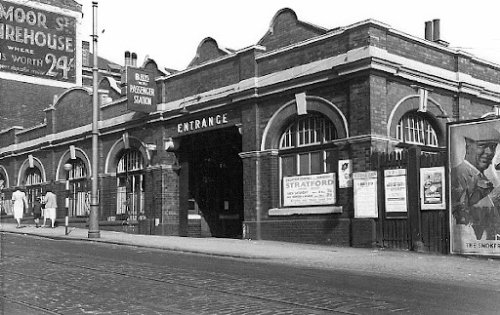
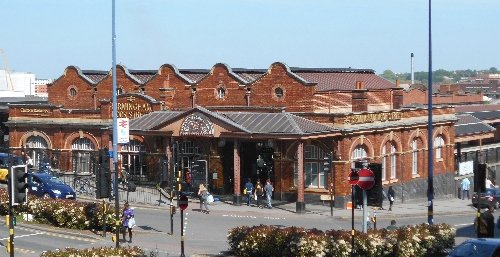
Moor Street Station was opened by the Great Western Railway (GWR) in July 1909, initially with temporary structures, its permanent, classically GWR-designed buildings were completed in 1914. Designed by W. Y. Armstrong, the station was conceived primarily as a terminus for local trains from areas like Leamington Spa and Stratford-upon-Avon, helping to ease congestion at the city’s main GWR hub, Snow Hill.
Moor Street originally featured an island platform and, notably, two electrically operated traversers at the buffer end of the platforms – a clever space-saving solution that allowed locomotives to move sideways between tracks. Adjacent to the passenger station, a large goods station was also established in 1914, handling significant freight traffic, especially fresh produce destined for the nearby Bull Ring market.
Decline and Near-Death (1960s-1980s)
The station faced challenges in the mid-20th century. Following the Beeching Axe cuts, Snow Hill station closed in 1967, leaving Moor Street as an isolated terminus with reduced services. By the 1980s, with the planned reopening of Snow Hill, a new, through-platform section of Moor Street was constructed a short distance away, opening in 1987. The original, historic terminus then closed and fell into disrepair.
Resurrection through restoration (1990s-2000s)
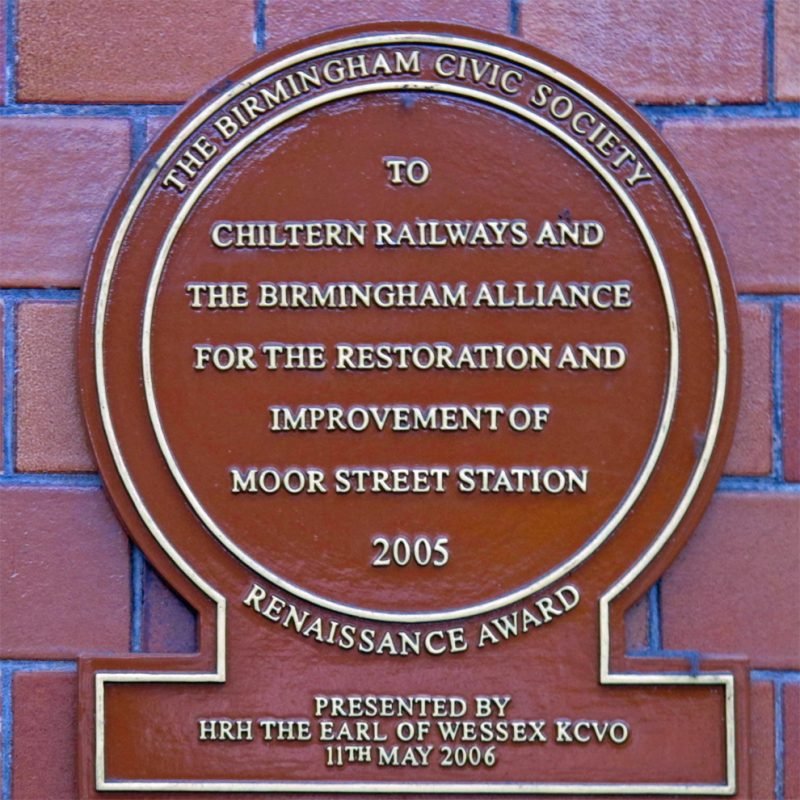
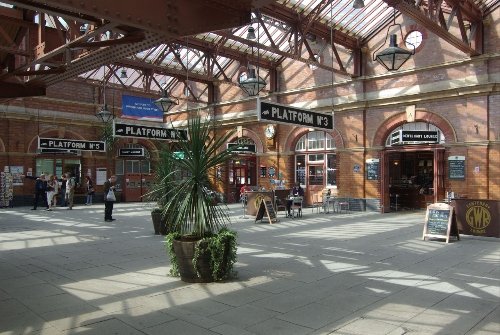
A dedicated campaign by the Moor Street Station Historical Society led to its Grade II listing in 1998, ensuring the station’s survival. A major restoration project in the early 2000s, costing £11 million and linked to the Bullring redevelopment, brought the original station back to its 1930s GWR glory, complete with period-style lamps, clocks, and signage. This restoration seamlessly integrated the old terminus with the newer through-platforms, creating a unified station that blends historical charm with modern functionality.
In 2010, two of the original terminus platforms were reconnected to the network, further increasing the station’s capacity and allowing more Chiltern Railways services from London Marylebone to terminate there. Today, Moor Street is Birmingham’s second busiest railway station and continues to undergo enhancements. Current plans, such as the ‘Moor Street Gateway’ scheme, aim to further improve connectivity with New Street and the future HS2 Curzon Street station, ensuring Moor Street remains a vital and historically resonant part of Birmingham’s transport network.