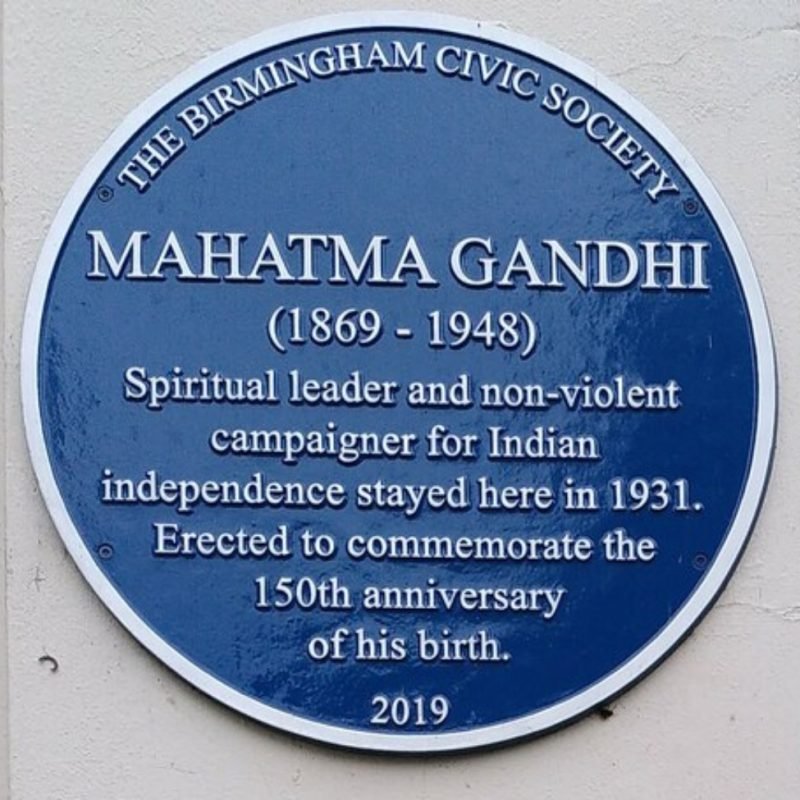
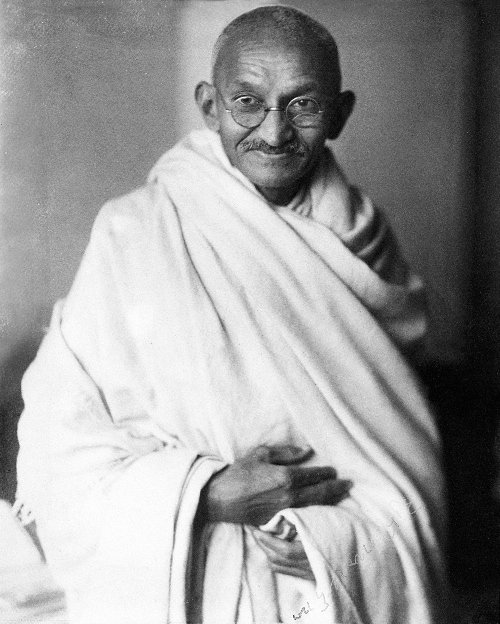
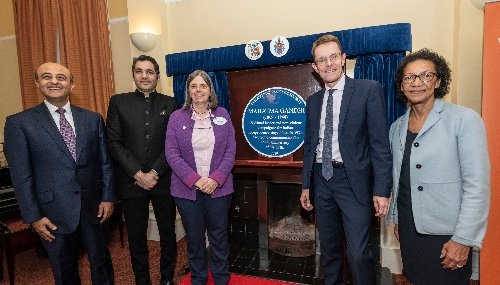
Mahatma Gandhi, was an Indian lawyer, anti-colonial nationalist, and political ethicist who became the iconic leader of India’s successful independence movement against British rule, employing nonviolent resistance. While his life and work primarily centred on India and South Africa, he had several significant periods in the United Kingdom, including a notable visit to Birmingham.
From India to London law student
Born in Porbandar, Gujarat, India, Gandhi first came to England in 1888 to study law at the Inner Temple in London. During this period, he immersed himself in English life, though he struggled with adapting to Western food and customs, eventually finding solace in vegetarian restaurants and becoming involved with the London Vegetarian Society.
The historic Birmingham visit
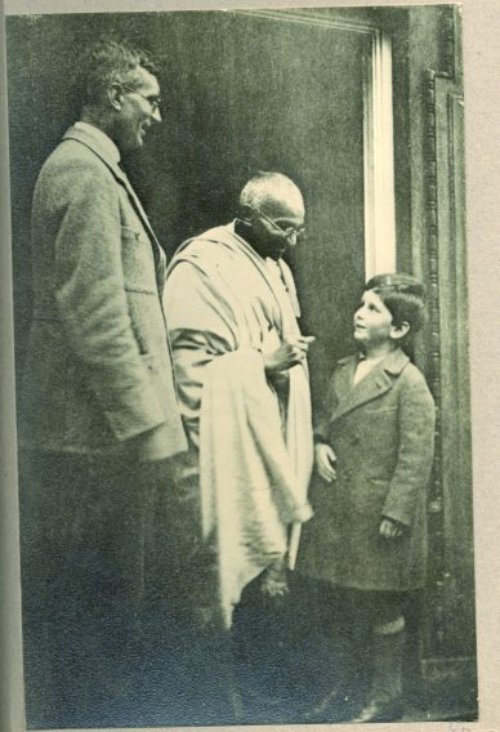
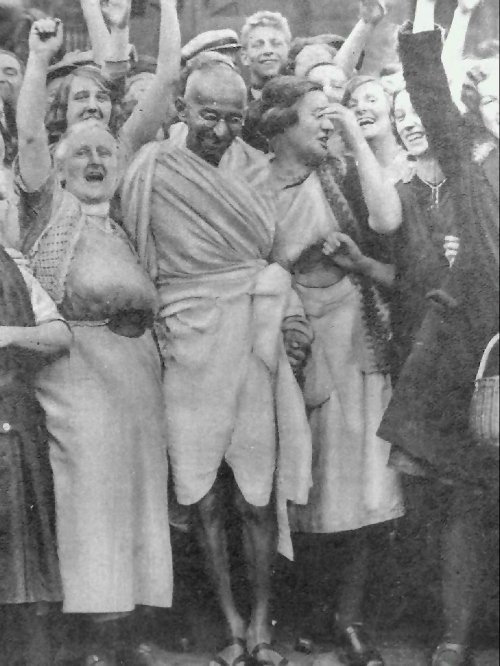
Gandhi’s most well-documented connection to Birmingham occurred during his 1931 visit to the UK. He was in England to attend the Second Round Table Conference in London, aimed at discussing constitutional reform in India. During his three-month stay, he deliberately travelled outside of London to engage with working-class communities, particularly those economically linked to India, such as the cotton mill workers in Lancashire.
His visit to Birmingham took place on 18th October 1931. He spoke at Woodbrooke, a Quaker study centre in Selly Oak, addressing an audience of over 300 people in the Cadbury Room. During his speech, he articulated his philosophy of how Indian freedom could be achieved through peaceful means. He stayed overnight at Woodbrooke, famously sleeping on the floor of his bedroom as was his custom. This visit to Birmingham allowed him to connect with individuals and groups who were sympathetic to the cause of Indian independence and non-violent resistance. He is also believed to have dined at the Pitman Vegetarian Hotel (now the Murdoch Chambers & Pitman Building) on Corporation Street during his time in the city, which housed Britain’s first vegetarian restaurant.
The philosophy that changed the world
Gandhi’s philosophy of Satyagraha (holding firmly to truth) inspired civil rights and freedom movements worldwide. He led numerous non-violent campaigns in India, including the Salt March in 1930 and the Quit India Movement in 1942. His commitment to peace and justice, along with his ascetic lifestyle, earned him the title “Mahatma,” meaning “Great Soul. Mahatma Gandhi was assassinated on 30th January 1948. His legacy as a proponent of non-violent civil disobedience continues to inspire movements for human rights and freedom globally.